Building resilience of Rwandan farmers to changing climate
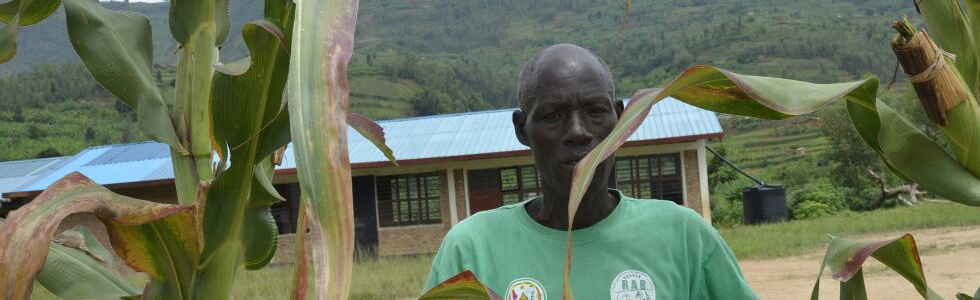
Rwandan farmers trained on climate information are now able to use climate information services to make decisions about when to plant, which crops to plant and which inputs to use. The farmers are trained through the Participatory Integrated Climate Services for Agriculture (PICSA) approach which builds on the existing national extension service model known as “Twigire Muhinzi.”
So far, 2600 farmers from Kayonza, Burera,Ngororero and Nyanza Districts have been trained to gather climate information, analyze and decide the right time for cropping. This activity has been undertaken with the initiative of the International Center for Tropical Agriculture (CIAT) in collaboration with Meteo Rwanda and the Ministry of Agriculture and Animal Resources (MINAGRI) via Rwanda Agriculture Board (RAB).
Through the Participatory Integrated Climate Services for Agriculture (PICSA), the farmers are empowered to understand, interpret and disseminate climate services information.
This initiative is being undertaken currently due to the fact that most of Rwandan farmers still rely on rain-fed farming practices. And the current climate change is the main challenge to the agriculture sector as smallholder farmers do not have full access to climate information.
The Climate Services for Agriculture Initiative aims to develop a fully functional and sustainable climate service that provides a range of information products and services, which will inform and support the various technical offices, policy and decision-makers within the Government of Rwanda, farmers, and others working in the agricultural sector in Rwanda to make informed decisions and improve climate risk management in the face of a variable and changing climate.
Beatha Mukamana, a farmer from Mbarara Cell, Rwinkwavu Sector of Kayonza district, praises the initiative, noting that the training has increased their resilience to cope with climate change effects.
“The climate information we get help us to plan for our daily agriculture activities; thus we decide what seeds to plant depending on weather information forecast,” says Mukamana.
In addition to farmers, explains Desire Kagabo, the Head of Climate Services in CIAT, they also trained staff from RAB, METEO Rwanda and sector agronomists in the four pilot districts of Kayonza, Burera, Ngororero and Nyanza. This similar training sessions will be taken to other districts countrywide within the next three years to help farmers make informed decisions based on climate information services.
Topics

Rwanda held its third National Seed Congress bringing together actors in seed sector
Rwanda held its 3rd National Seed Congress in Kigali from 20th to 21st July 2026, an event that highly emphasized the role of research, biotechnology,…
Read more
→

Rwanda hosted Africa Food Systems Forum 2026
From 1st to 4th September 2026 in Kigali, Rwanda hosted the 20th edition of the Africa Food Systems Forum (AFSF), which brought together more than…
Read more
→

19th Rwanda Agricultural Show Concludes with Record Participation and Recognition of Agricultural Innovation
The 19th Rwanda Agricultural Show officially closed on Friday, 31 July 2026, at the Mulindi Show Ground in Gasabo District, Kigali City, marking…
Read more
→

Rwanda Agricultural Show 2026: Stakeholders urged to leverage innovation and strategic partnerships for agri-food systems transformation
The Minister of Agriculture and Animal Resources, Dr. Telesphore Ndabamenye, has called on farmers and other agricultural stakeholders to adopt…
Read more
→
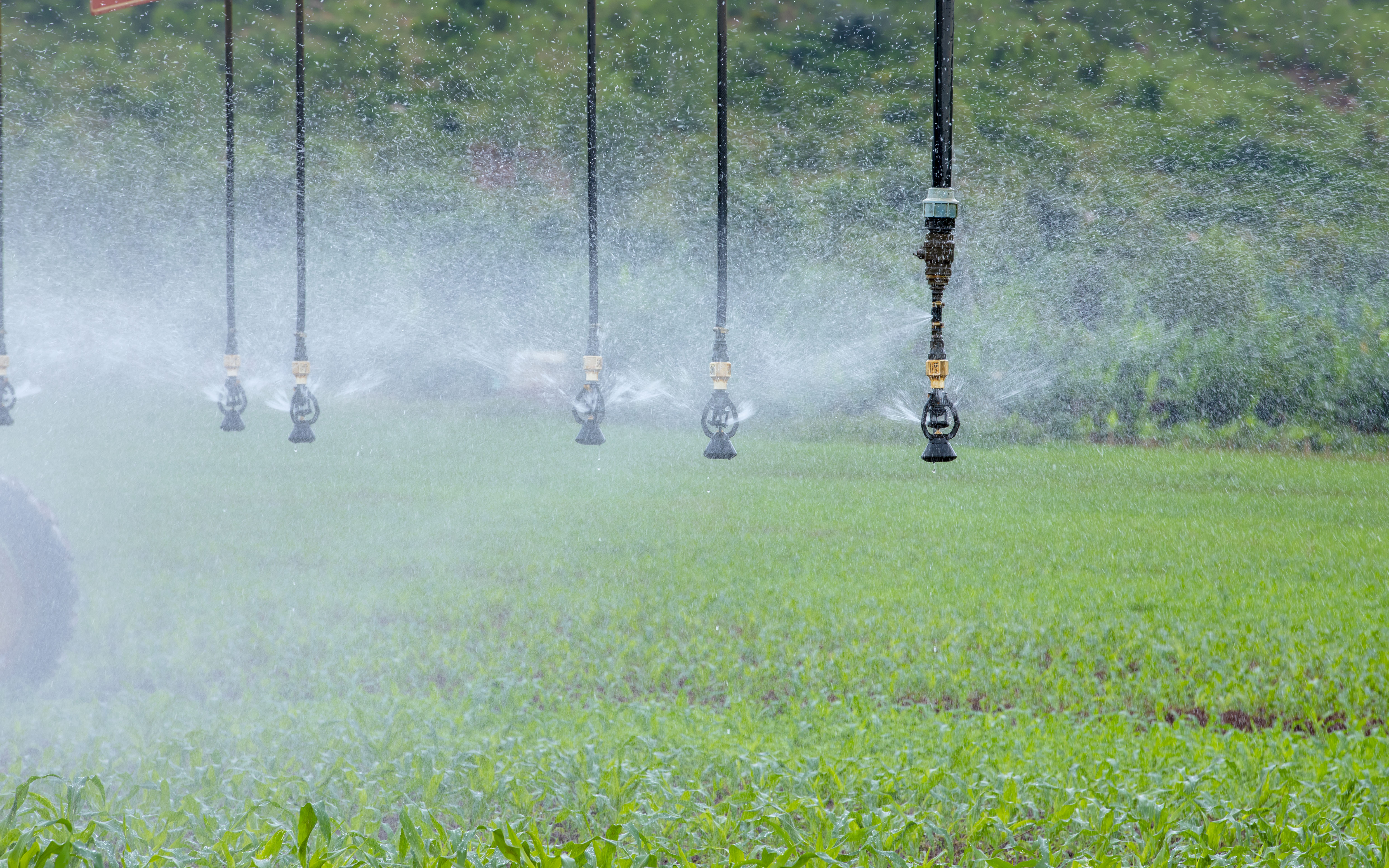
RWANDA’S AGRICULTURE SECTOR TRANSFORMATION OVER THE LAST 32 YEARS
Over the past 32 years, Rwanda’s agriculture sector has undergone a remarkable transformation, evolving from a subsistence farming into a modern,…
Read more
→
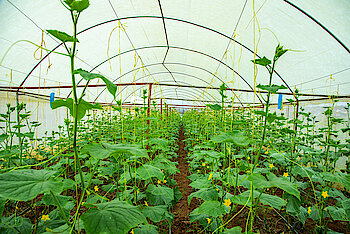
Rwanda launched Green House Crop Insurance to boost climate-resilient agriculture
On 7 May 2026, Green House Crop Insurance was officially launched during an event held at the headquarters of the National Institute of Statistics of…
Read more
→

Rwanda to hold third National Seed Congress bringing together actors in seed sector
Rwanda will hold its 3rd National Seed Congress in Kigali from 20th to 21st July 2026, an event that will bring together key stakeholders to discuss…
Read more
→

MINAGRI YIBUTSE KU NSHURO YA 32 ABARI ABAKOZI BAYO BAZIZE JENOSIDE YAKOREWE ABATUTSI
Kuri uyu wa Gatanu tariki ya 15 Gicurasi, 2026, Minisiteri y’Ubuhinzi n’Ubworozi (MINAGRI) n’abafatanyabikorwa bayo bibutse ku nshuro ya 32 abari…
Read more
→
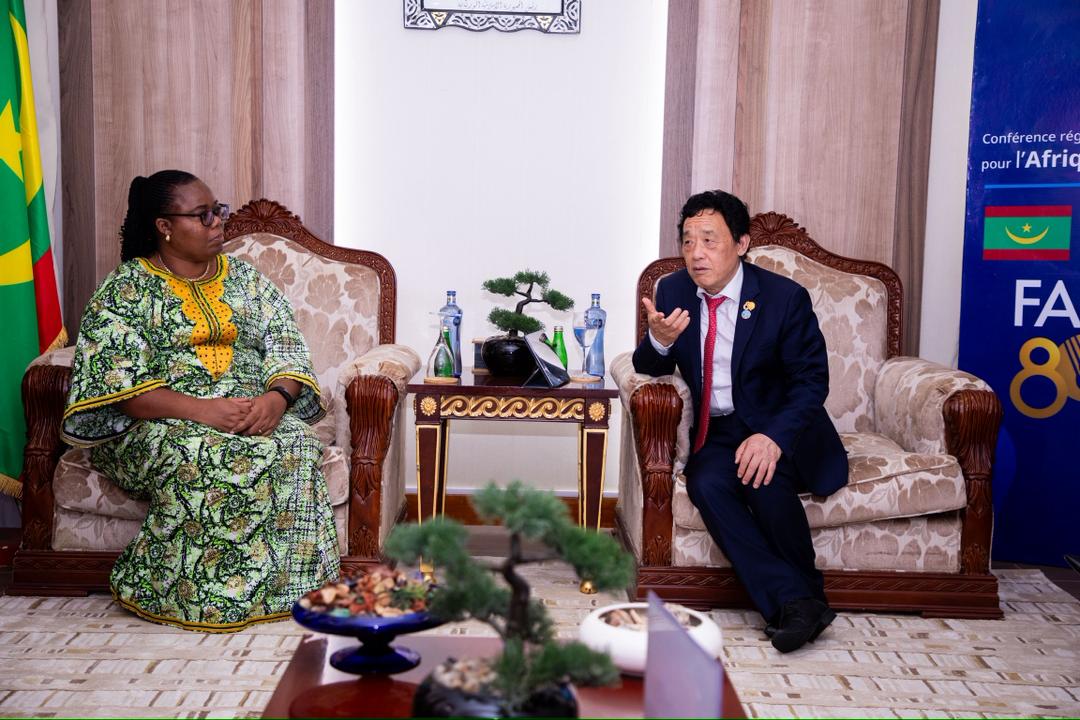
Minister of State Dr. Solange Uwituze meets FAO Director-General Dr. QU Dongyu
The Minister of State for Agriculture and Animal Resources (MINAGRI), Dr. Solange Uwituze, on Wednesday April 15th 2026 met with FAO Director-General,…
Read more
→