Consultations on 4th Strategic Plans for the Transformation of Agriculture kick off

The Ministry of Agriculture and Animal Resources (MINAGRI) has started collecting inputs from different agricultural stakeholders that will be incorporated in the 4th Strategic Plans for the Transformation of Agriculture (PSTA4). The move is vital to help the ministry get innovative ideas that will spur the agriculture sector into uncharted areas with great success.
The process was launched on April 21, 2017 in Kigali during a one-day workshop that was officiated by the ministry’s Permanent Secretary Jean Claude Kayisinga. The workshop was meant to prompt dialogue among key stakeholders so that they can develop an appropriate plan for boosting participation in the development process of PSTA4; and build a broad & effective coalition to lead the transformation of the agriculture sector in Rwanda.
As the current PSTA3 is ending in June 2018, PS Kayisinga noted, MINAGRI is embarking on the process of developing the PSTA4 which coincides with the revision and update of the 2004 national agriculture policy. He also added that the ministry recognizes the need to ensure a participatory and inclusive consultative process to improve ownership, quality and relevance of the agriculture strategy in order to enhance implementation in due course.
Over the last decade, Rwanda has implemented three strategic plans for the transformation of agriculture (PSTA1, PSTA2, and PSTA3) to implement the 2004 national agriculture sector policy. These are fully aligned with high-level national strategic and policy documents such as vision 2020 and edprs1 and edprs2. The PSTAs were also aligned to international, continental and regional agreements and protocols such as the comprehensive Africa agriculture development program (CAADP).
“With regards to CAADP, Rwanda agricultural strategic programs have spearheaded the CAADP process and served as an example of successful agricultural development across the continent, and our programs will continue to align with the new CAADP Malabo declaration and the international sustainable development goals (SDGs),” pointed out Kayisinga.
According to the Permanent Secretary, Rwanda has attained remarkable progress through the operationalization of programs and subprograms of the current PSTA 3. This remarkable progress include food and cash crops production that has increased significantly, and poverty reduced at 39.1% in 2015-16) from 44.9% 2010-11. The agricultural sector GDP also grew at 5% per annum contributing to a sustained national economic growth of the country while the sector contributed a third of the national gross domestic product for the recent years.
He added that Rwanda has made great progress in improving food security and reducing hunger thanks to PSTA3 programs: from 1990 to 2015, prevalence of undernourishment fell by nearly half, from 56% to 32%.
Since January 2017, the ministry organized a number of consultation meetings with development partners and in the Sector Working Group. Early this month, it commissioned a quick survey to gauge the perception of grassroots stakeholders vis-à-vis the performance of the agriculture sector. The exercise is intended to assess the current status of the sector and to identify the existing challenges at local level mainly in areas of crop and animal productivity, private sector, access to finance, nutrition, extension and management.
Topics

19th Rwanda Agricultural Show Concludes with Record Participation and Recognition of Agricultural Innovation
The 19th Rwanda Agricultural Show officially closed on Friday, 31 July 2026, at the Mulindi Show Ground in Gasabo District, Kigali City, marking…
Read more
→

Rwanda Agricultural Show 2026: Stakeholders urged to leverage innovation and strategic partnerships for agri-food systems transformation
The Minister of Agriculture and Animal Resources, Dr. Telesphore Ndabamenye, has called on farmers and other agricultural stakeholders to adopt…
Read more
→
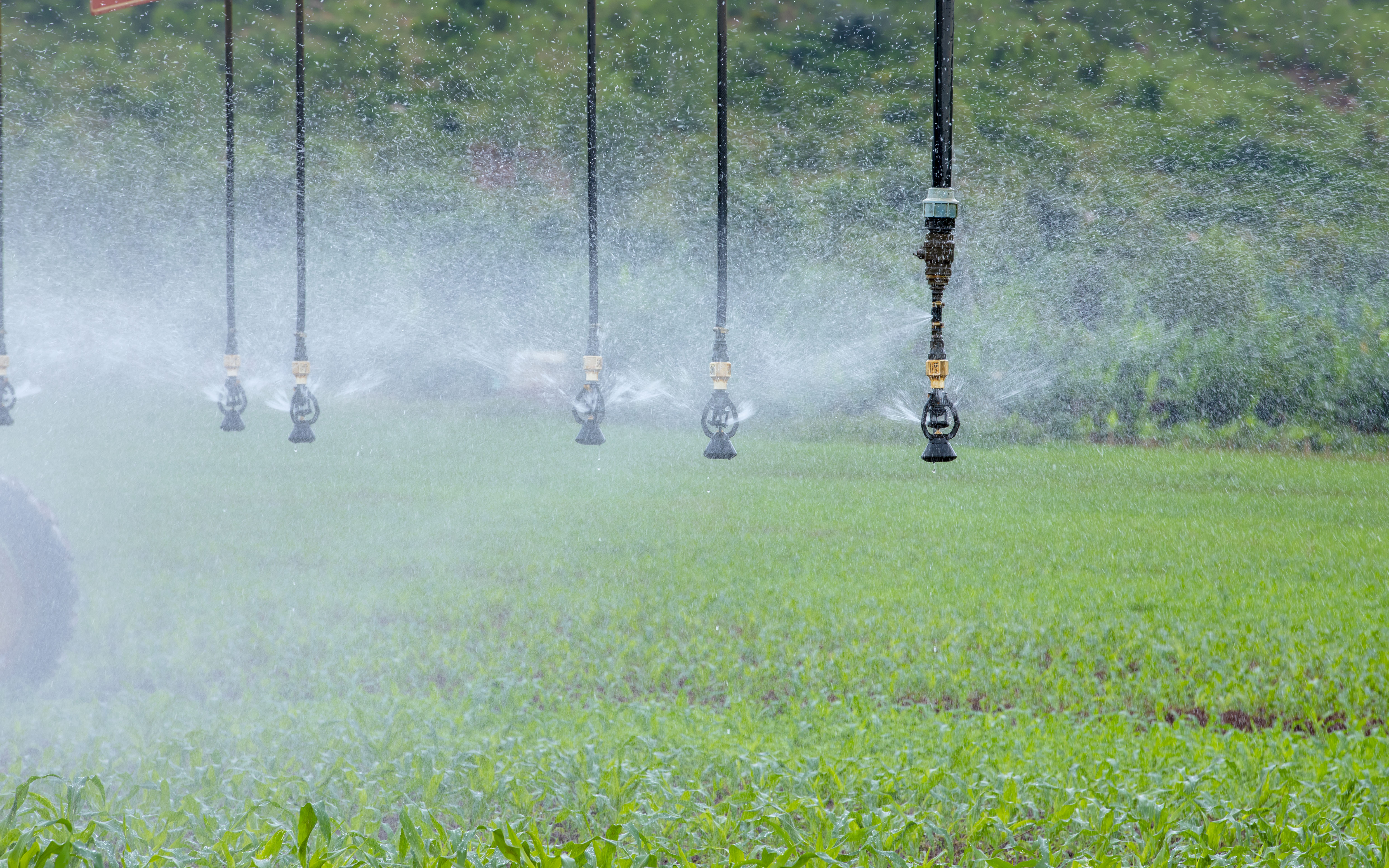
RWANDA’S AGRICULTURE SECTOR TRANSFORMATION OVER THE LAST 32 YEARS
Over the past 32 years, Rwanda’s agriculture sector has undergone a remarkable transformation, evolving from a subsistence farming into a modern,…
Read more
→
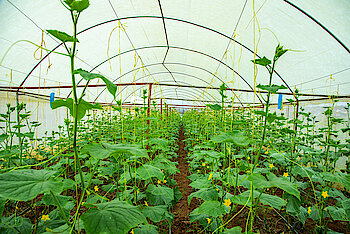
Rwanda launched Green House Crop Insurance to boost climate-resilient agriculture
On 7 May 2026, Green House Crop Insurance was officially launched during an event held at the headquarters of the National Institute of Statistics of…
Read more
→

Rwanda to hold third National Seed Congress bringing together actors in seed sector
Rwanda will hold its 3rd National Seed Congress in Kigali from 20th to 21st July 2026, an event that will bring together key stakeholders to discuss…
Read more
→

MINAGRI YIBUTSE KU NSHURO YA 32 ABARI ABAKOZI BAYO BAZIZE JENOSIDE YAKOREWE ABATUTSI
Kuri uyu wa Gatanu tariki ya 15 Gicurasi, 2026, Minisiteri y’Ubuhinzi n’Ubworozi (MINAGRI) n’abafatanyabikorwa bayo bibutse ku nshuro ya 32 abari…
Read more
→
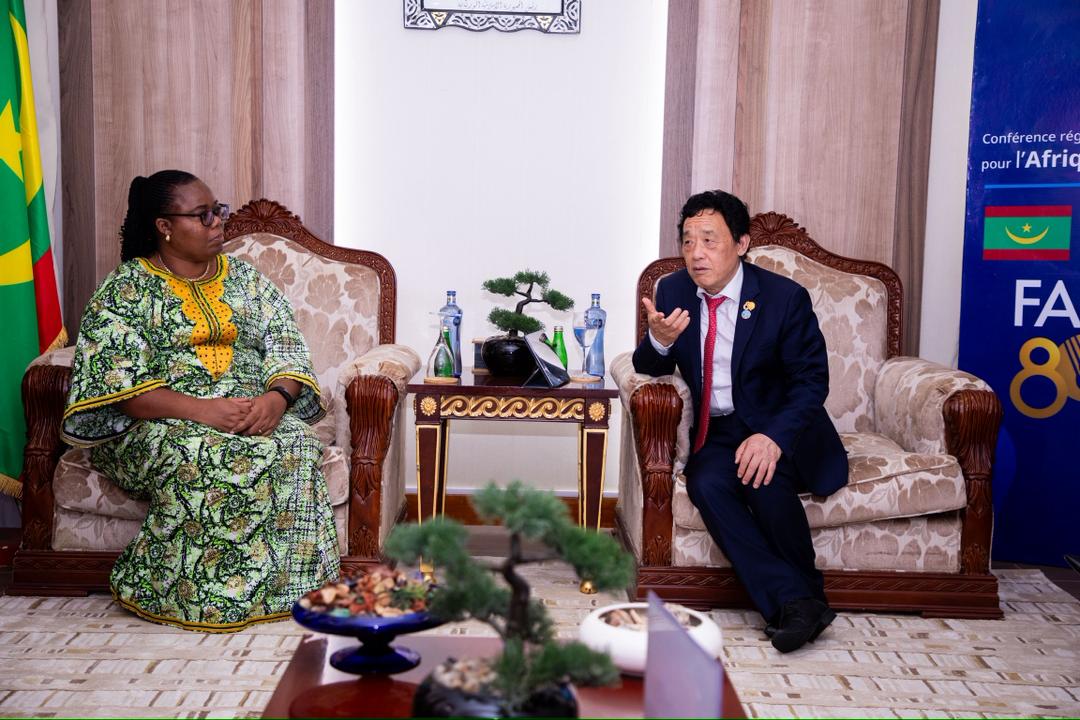
Minister of State Dr. Solange Uwituze meets FAO Director-General Dr. QU Dongyu
The Minister of State for Agriculture and Animal Resources (MINAGRI), Dr. Solange Uwituze, on Wednesday April 15th 2026 met with FAO Director-General,…
Read more
→
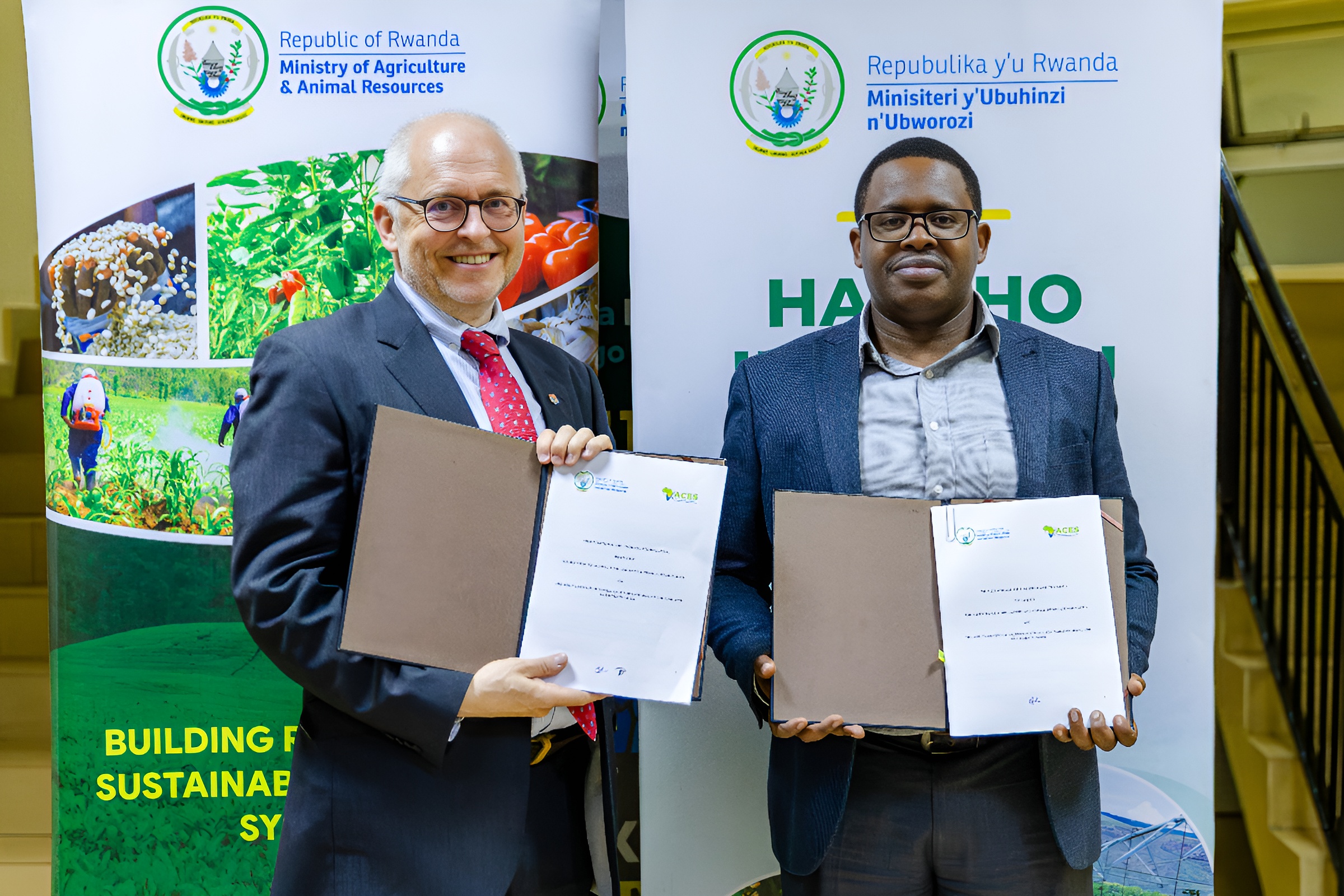
Rwanda Strengthens Agricultural Value Chains Through MINAGRI–ACES Cold-Chain Partnership
On 25th March 2026, Rwanda took a significant step toward transforming its agricultural sector following the signing of a strategic Memorandum of…
Read more
→
RWANDA SECURES OVER RWF 110 BILLION IN IFAD FUNDING TO BOOST AGRICULTURE
The Government of Rwanda has secured $78.5 million, more than Rwf110 billion, in financing from the International Fund for Agricultural Development…
Read more
→