DELEGATES FROM ALL OVER THE WORLD MEET IN KIGALI TO DISCUSS ON PLANT GENETIC RESOURCES
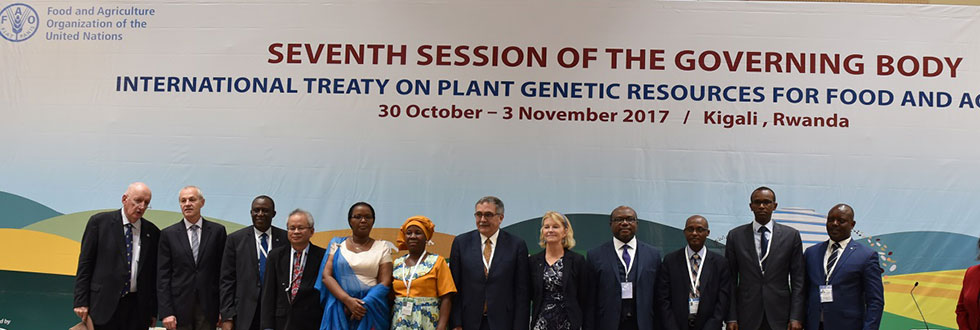

Representatives from 144 countries are in Rwanda attending the 7th Session of the Governing Body of the International Treaty on Plant Genetic Resources for Food and Agriculture (ITPGRFA). The meeting mainly discusses on conservation, exchange and sustainable use of crop varieties among contracting parties.
This five-day meeting, kicked off on October 30, 2017 at Kigali Convention Centre, is organized under the theme: “The 2030 Agenda for Sustainable Development and the Role of Plant Genetic Resources for Food and Agriculture.”
This is the first time a country in Sub-Saharan Africa is hosting a session of the Treaty’s Governing Body.
Speaking at the opening of the meeting, Minister of Agriculture and Animal Resources, Dr Gerardine Mukeshimana, called upon the delegates to forge suitable mechanisms to safeguard farmers’ rights as stipulated in the treaty, especially the right to equitably participate in benefits arising from the utilization of plant genetic resources for food and agriculture.
The International Treaty recognizes that contracting parties that commercialize and profit from products of plant genetic materials under the agreement should share their profits by giving a percentage of the profits to a common fund that provides financial and technical support to farmers and local communities, especially in developing nations.
“It is my humble request to the esteemed delegates of the seventh session of the Governing Body of the ITPGRFA convening in Kigali to come up with a clear mechanism acceptable by all parties for sharing the benefits from the commercial utilization of genetic resources for food and agriculture,” Minister Mukeshimana said.
Rwanda has established laws, policies and strategies that promote the conservation and sustainable use of plant genetic resources for food and agriculture, the Minister said. The country’s agriculture research has also developed and released over 90 high yielding, disease and pest resistant crop varieties including beans, potatoes, maize, wheat and rice, some of which have been widely disseminated beyond Rwanda.
In addition, the Government of Rwanda, together with development partners, recently established a gene bank to conserve all genetic resources in the country. This facility, which is now operational, has a potential to serve other neighbouring countries and partners.
The number of food and agriculture plants currently covered under the International Treaty is limited to 64, providing humans with 80% of their food intake from plants. This meeting is expected to discuss among others the possibility of expanding and enhancing the basket of crops exchanged through the Treaty’s multilateral system.
Topics

Rwanda held its third National Seed Congress bringing together actors in seed sector
Rwanda held its 3rd National Seed Congress in Kigali from 20th to 21st July 2026, an event that highly emphasized the role of research, biotechnology,…
Read more
→

Rwanda hosted Africa Food Systems Forum 2026
From 1st to 4th September 2026 in Kigali, Rwanda hosted the 20th edition of the Africa Food Systems Forum (AFSF), which brought together more than…
Read more
→

19th Rwanda Agricultural Show Concludes with Record Participation and Recognition of Agricultural Innovation
The 19th Rwanda Agricultural Show officially closed on Friday, 31 July 2026, at the Mulindi Show Ground in Gasabo District, Kigali City, marking…
Read more
→

Rwanda Agricultural Show 2026: Stakeholders urged to leverage innovation and strategic partnerships for agri-food systems transformation
The Minister of Agriculture and Animal Resources, Dr. Telesphore Ndabamenye, has called on farmers and other agricultural stakeholders to adopt…
Read more
→
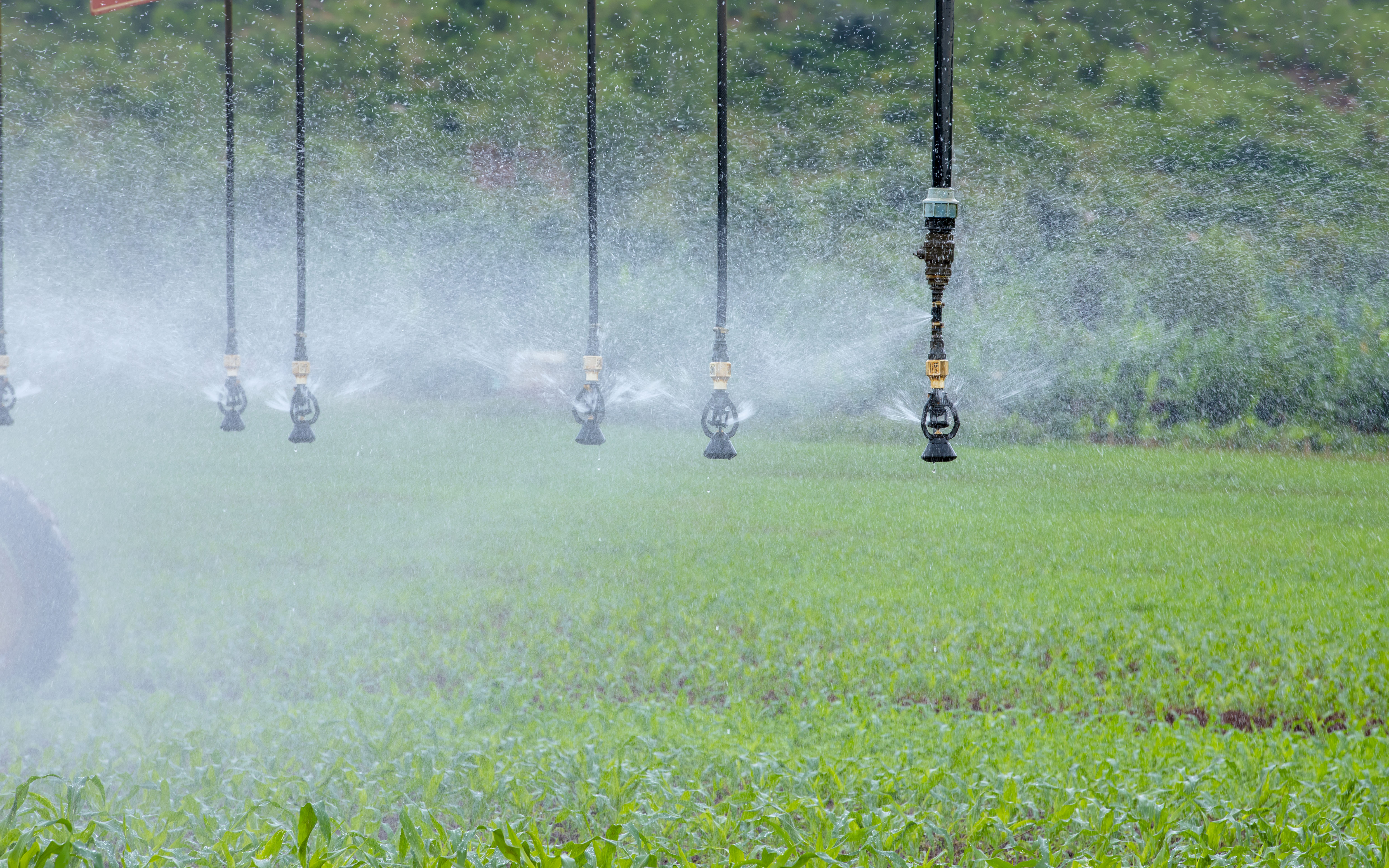
RWANDA’S AGRICULTURE SECTOR TRANSFORMATION OVER THE LAST 32 YEARS
Over the past 32 years, Rwanda’s agriculture sector has undergone a remarkable transformation, evolving from a subsistence farming into a modern,…
Read more
→
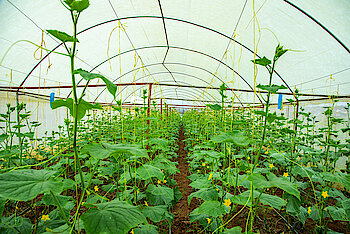
Rwanda launched Green House Crop Insurance to boost climate-resilient agriculture
On 7 May 2026, Green House Crop Insurance was officially launched during an event held at the headquarters of the National Institute of Statistics of…
Read more
→

Rwanda to hold third National Seed Congress bringing together actors in seed sector
Rwanda will hold its 3rd National Seed Congress in Kigali from 20th to 21st July 2026, an event that will bring together key stakeholders to discuss…
Read more
→

MINAGRI YIBUTSE KU NSHURO YA 32 ABARI ABAKOZI BAYO BAZIZE JENOSIDE YAKOREWE ABATUTSI
Kuri uyu wa Gatanu tariki ya 15 Gicurasi, 2026, Minisiteri y’Ubuhinzi n’Ubworozi (MINAGRI) n’abafatanyabikorwa bayo bibutse ku nshuro ya 32 abari…
Read more
→
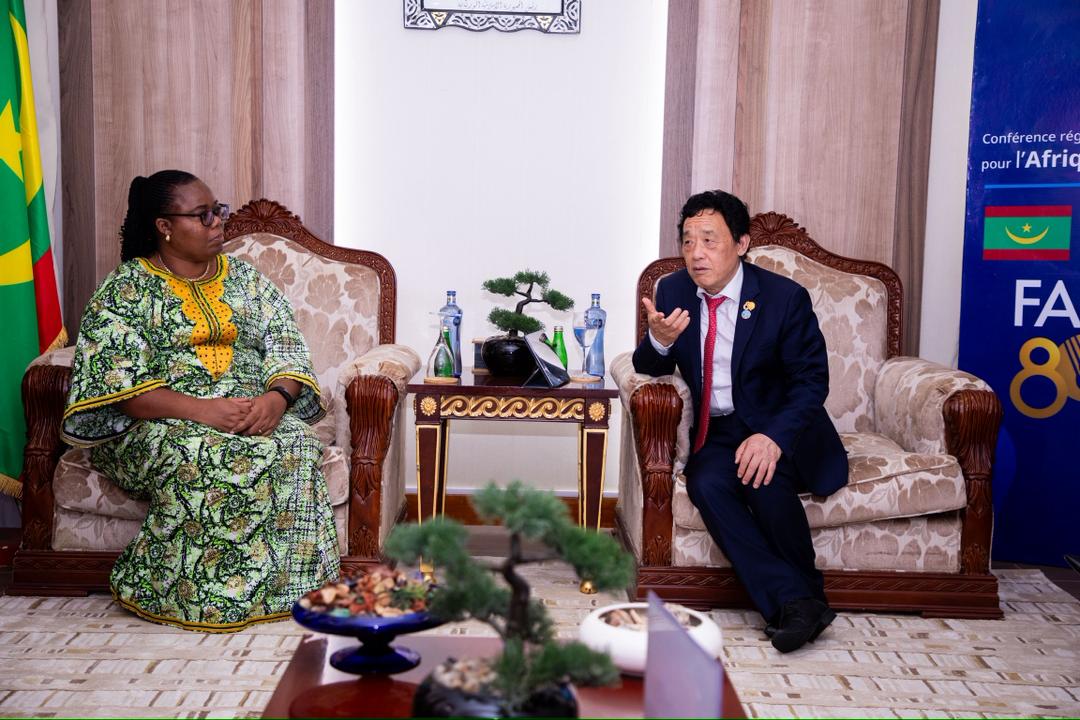
Minister of State Dr. Solange Uwituze meets FAO Director-General Dr. QU Dongyu
The Minister of State for Agriculture and Animal Resources (MINAGRI), Dr. Solange Uwituze, on Wednesday April 15th 2026 met with FAO Director-General,…
Read more
→