Government intensifies efforts to contain Fall Armyworms
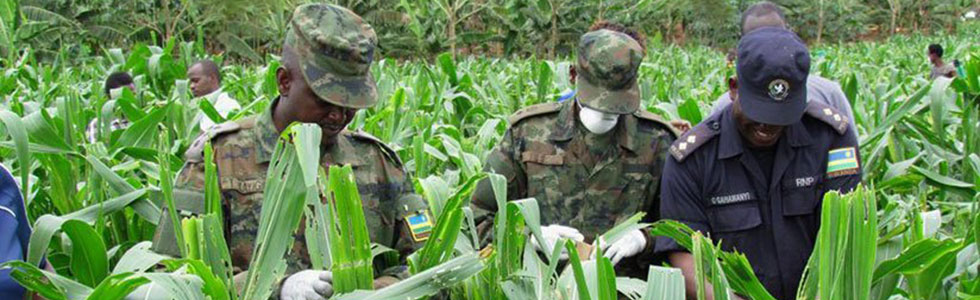
The Government of Rwanda has intensified efforts to contain the spread of Fall Armyworms – an invasive pest which is a native of the Americas – in a bid to support farmers whose maize plantations have been affected by this pest.
Fall armyworms were first reported in Mushishito maize marshland located in the sectors of Uwinkingi and Kibilizi in Nyamagabe District at the end of February 2017. On 13th March 2017, all Districts of Southern Province had reported the pest. Later, the pest was found distributed in almost all 30 districts of the country. The pest has so far infested 15,699ha, representing 24.7% of the total area of 63,499 ha planted maize and sorghum countrywide.
Interventions for the control of FAW in Rwanda
As the new pest that spreads rapidly, the Rwandan strategy has been to concentrate and coordinate efforts of stakeholders (Ministry of Local Government, Rwanda Defense Force, Rwanda National Police) from national to the local level through a massive training at all levels the integrated management methods physical and chemical measures, provision of field equipment (manual and motorized sprayer pumps, protective gear) and pesticides, mainly Profenofos 40% EC+Cypermethrin 4% EC.
Intensive awareness campaign through provincial meetings and media: the Ministry of Agriculture and Animal Resources (MINAGRI) and Rwanda Agriculture Board (RAB) conducted awareness raising meetings at provincial and district levels, educating local leaders, agronomists and farmers about the new pest, its negative impact and methods of control.
MINAGRI and its agency also initiated radio talk shows to sensitize the public about the new pest through public, private and community radios.
To control the pest, RAB senior technical staff also intervened in affected areas, and carried out field surveillance to confirm the identity of the pest, its incidence and advised on the appropriate chemicals and Integrated Pest Management options such as hand picking and destruction of the larvae.
In addition to this, there have been massive trainings of farmers, agronomists and local leaders, at district and sector levels, on differentiating FAW from maize stalk borer for target control of the new pest. And RAB provided appropriated insecticides to the affected farmers with limited means for quick intervention. Some farmer cooperatives and individual have taken up the initiative to purchase chemicals from agro-dealers on their own.
Districts also developed roadmaps for community work (special umuganda) involving hand picking and chemical application on infested crops. Different interventions were conducted such preparations and mapping of all affected areas including consolidated sites and small scale farms. As usual, Rwanda Defense Force (RDF) has also come in bolster the efforts providing work Force on the ground throughout the whole country and rapid delivery of required insecticides using helicopters. By so doing, it has been possible to replenish supplies in real time.
The Fall Army Worm (Spodoptera frugiperda) was first reported in West Africa (Nigeria, Sao Tome, Benin and Togo) in January 2016. Between December 2016 and March 2017, the FAW was reported in several countries in Southern (South Africa, Zimbabwe, Zambia, Swaziland, Malawi, Mozambique and Namibia), Central (DR Congo) and Eastern Africa (Tanzania, Uganda, Kenya and Rwanda). The FAW moth stage spreads on prevailing winds and its larvae stage attacks over 80 plant species, but has preference for crops of the gramineae family; including but not limited to maize, sorghum, rice, wheat, napier grass and sugarcane. The adult moth lays eggs on the surface of leaves, which hatch after 2-3 days. The resultant larvae (caterpillars) feed on leaves causing damage similar to hailstorm. If there is no timely intervention, the FAW outbreak may lead to the total loss of crop yield especially cereals (maize, wheat, rice and sorghum), leading to food insecurity in the country.
Topics

Rwanda held its third National Seed Congress bringing together actors in seed sector
Rwanda held its 3rd National Seed Congress in Kigali from 20th to 21st July 2026, an event that highly emphasized the role of research, biotechnology,…
Read more
→

Rwanda hosted Africa Food Systems Forum 2026
From 1st to 4th September 2026 in Kigali, Rwanda hosted the 20th edition of the Africa Food Systems Forum (AFSF), which brought together more than…
Read more
→

19th Rwanda Agricultural Show Concludes with Record Participation and Recognition of Agricultural Innovation
The 19th Rwanda Agricultural Show officially closed on Friday, 31 July 2026, at the Mulindi Show Ground in Gasabo District, Kigali City, marking…
Read more
→

Rwanda Agricultural Show 2026: Stakeholders urged to leverage innovation and strategic partnerships for agri-food systems transformation
The Minister of Agriculture and Animal Resources, Dr. Telesphore Ndabamenye, has called on farmers and other agricultural stakeholders to adopt…
Read more
→
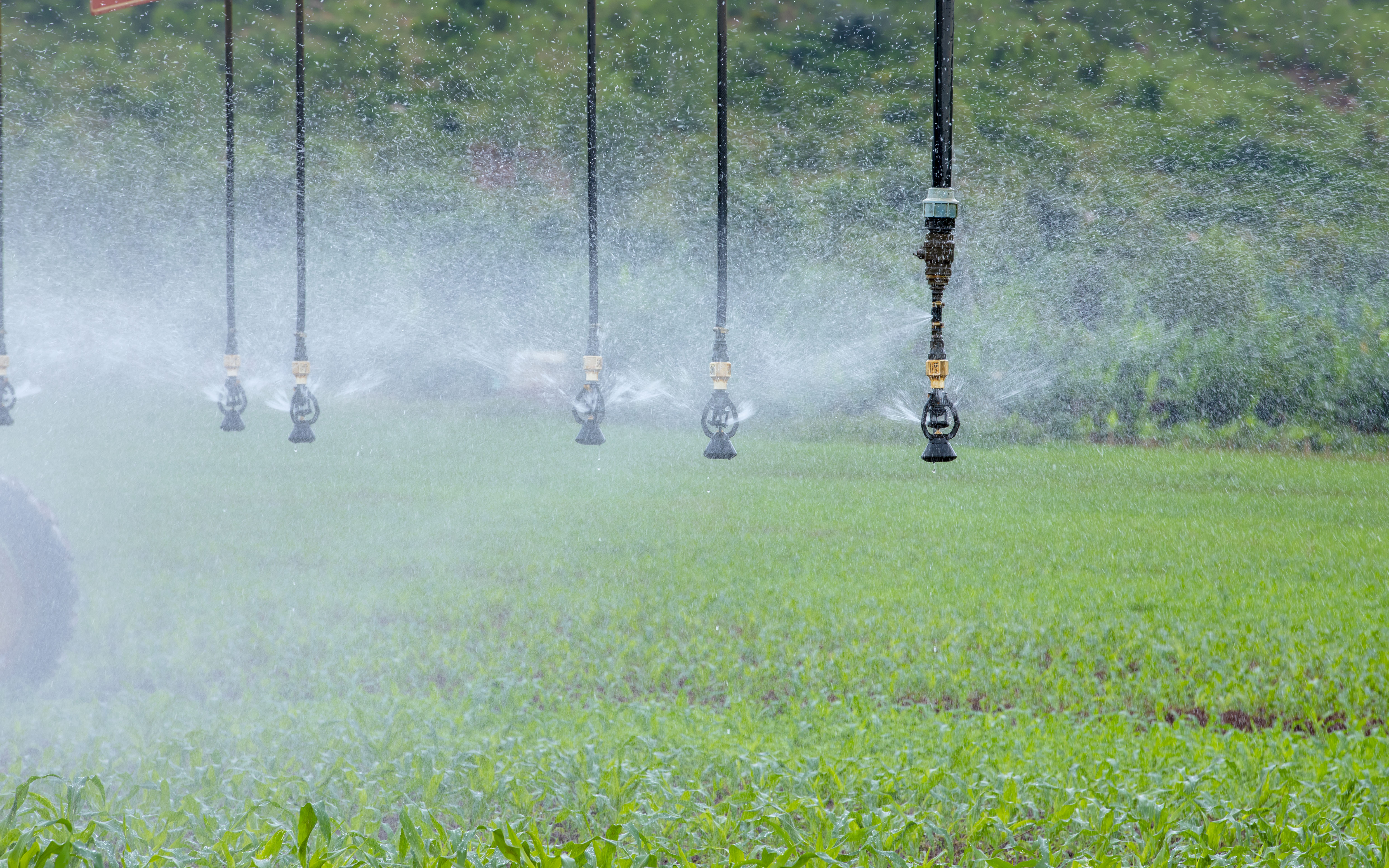
RWANDA’S AGRICULTURE SECTOR TRANSFORMATION OVER THE LAST 32 YEARS
Over the past 32 years, Rwanda’s agriculture sector has undergone a remarkable transformation, evolving from a subsistence farming into a modern,…
Read more
→
Rwanda launched Green House Crop Insurance to boost climate-resilient agriculture
On 7 May 2026, Green House Crop Insurance was officially launched during an event held at the headquarters of the National Institute of Statistics of…
Read more
→

Rwanda to hold third National Seed Congress bringing together actors in seed sector
Rwanda will hold its 3rd National Seed Congress in Kigali from 20th to 21st July 2026, an event that will bring together key stakeholders to discuss…
Read more
→

MINAGRI YIBUTSE KU NSHURO YA 32 ABARI ABAKOZI BAYO BAZIZE JENOSIDE YAKOREWE ABATUTSI
Kuri uyu wa Gatanu tariki ya 15 Gicurasi, 2026, Minisiteri y’Ubuhinzi n’Ubworozi (MINAGRI) n’abafatanyabikorwa bayo bibutse ku nshuro ya 32 abari…
Read more
→
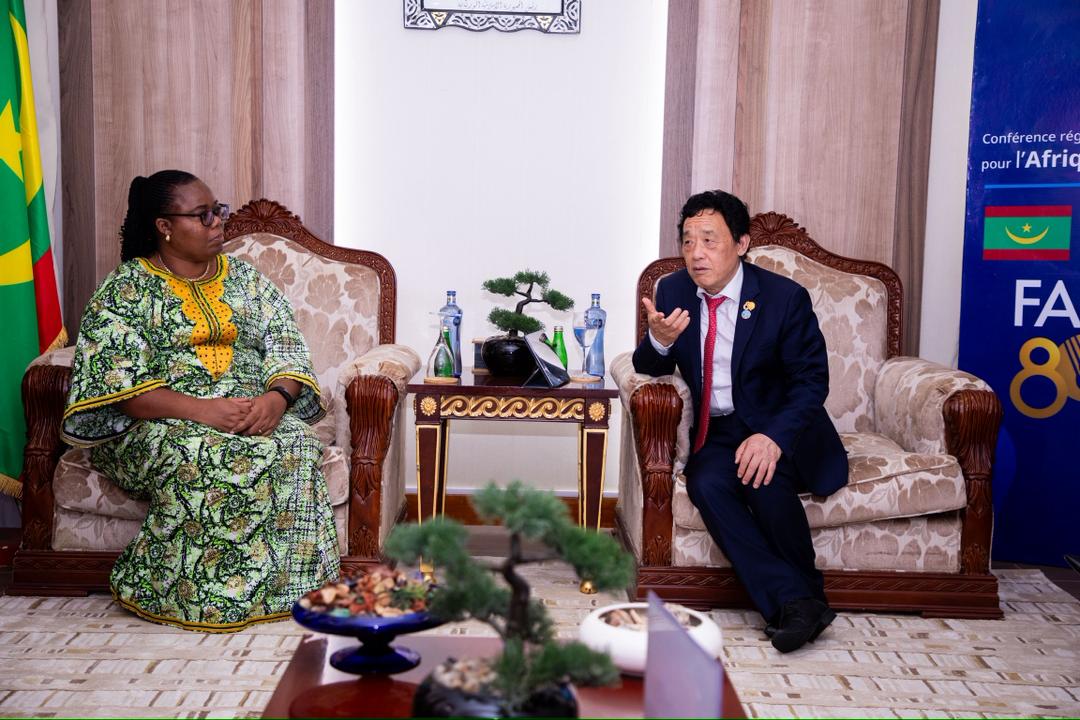
Minister of State Dr. Solange Uwituze meets FAO Director-General Dr. QU Dongyu
The Minister of State for Agriculture and Animal Resources (MINAGRI), Dr. Solange Uwituze, on Wednesday April 15th 2026 met with FAO Director-General,…
Read more
→