LWH LAND HUSBANDRY TECHNOLOGIES DRIVE RWANDA’S AMBITION IN IMPROVING CROP PRODUCTIVITY
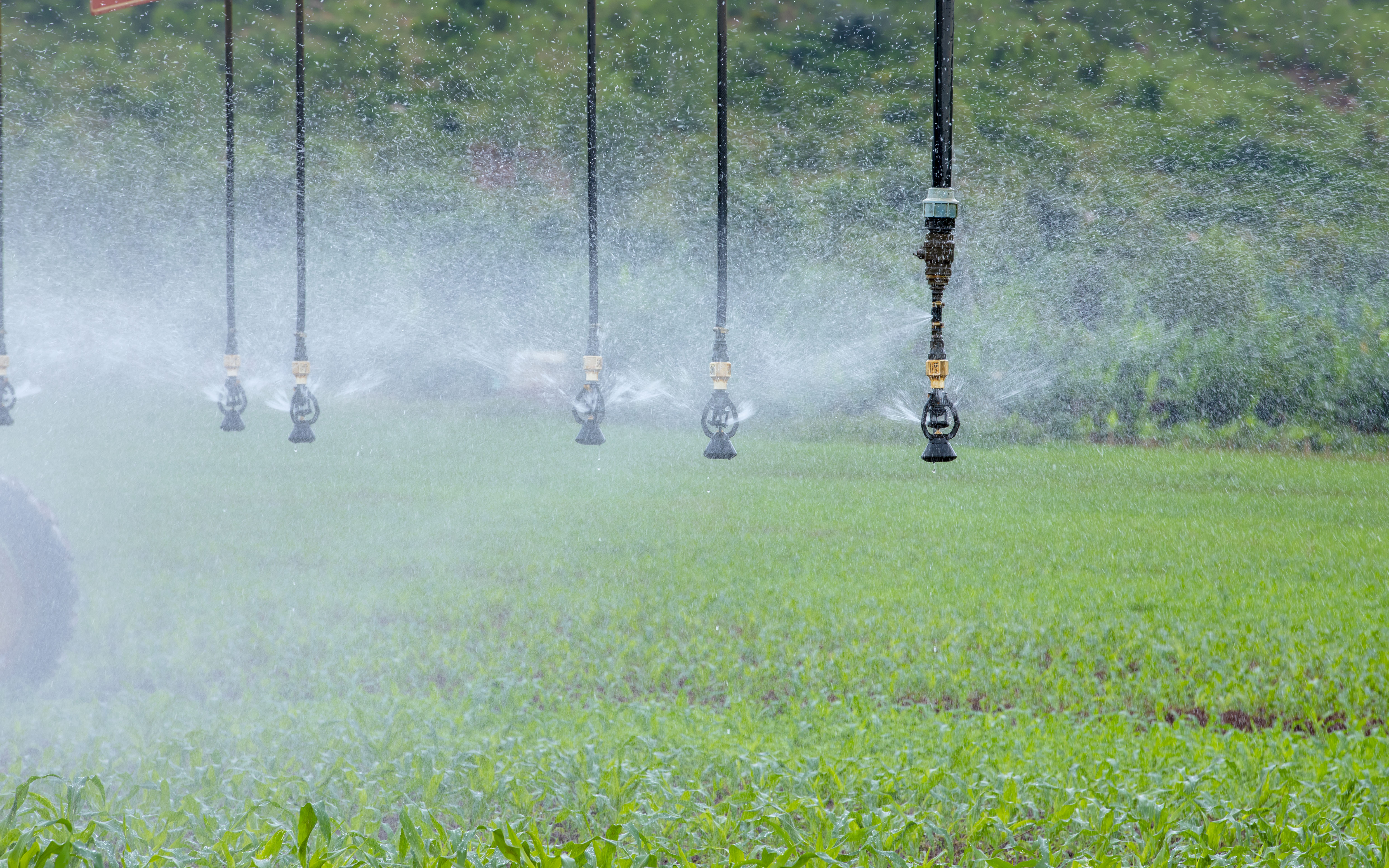
Comprehensive Land husbandry technologies suitable for mountainous nature of landscape were introduced in the country seven years ago to curb down soil loss on the hillsides.
It was introduced by the Land Husbandry, Water Harvesting and Hillside irrigation (LWH) Project which is implemented under the Ministry of Agriculture and Animal Resources.
LWH Project was introduced by the Government of Rwanda in 2010 with the development objective of increasing productivity and commercialisation of agriculture through hillside intensification in some of the poorest areas across the country.
The project jointly funded by the Government of Rwanda and multi-donor organisations such as USAID, the World Bank, the GAFSP, the Canadian International Development Agency introduced a wide range of innovations in the country that have played a great role in improving agricultural practices and alleviating poverty in rural areas.
The land husbandry farming system involves a modified watershed approach that includes sustainable land husbandry measures for hillside agriculture on selected sites whereby several land management techniques (soil bunds, terraces, cut-off drains, water ways, afforestation and reforestation) as well as strengthening terraces with risers to develop appropriate land husbandry practices for both rain-fed and irrigated agriculture to provide modern agricultural techniques for higher production of seasonal and perennial crops.
Before land husbandry technologies were introduced in several areas across the country, being hilly and rugged areas prone to severe soil erosion, farmers suffered from chronic poverty due to unproductive land coupled with poor agricultural practices.
Land husbandry has been implemented in poor, hilly and poverty stricken areas of the following Districts Karongi, Nyanza, Gatsibo, Rwamagana, Kayonza, Ngoma, Rulindo, Gicumbi, Rutsiro, Nyabihu, Ngororero, Gakenke and Nyamagabe.
Initially before the project intervention, farmers were unable to reach their full potential and as a result many rural farmers remained poor as they barely produced enough to feed their families.
With the introduction of land husbandry farming system in 2010, hundreds of thousands of poor rural farmers in the project intervention areas have been supported to break out of poverty and obtain food security.
More than 21,300 ha of land have been treated with comprehensive land husbandry technologies across sites; out of which over 3,400 ha were marginal land and were made productive after land husbandry works.
The land husbandry implementation approach mainly focused on developing comprehensive land husbandry technologies to protect against soil erosion and enhance agriculture productivity whereby 98 percent of land has been protected against soil erosion from 26 percent before the Project intervention. More than 35,800 people employed as manpower in comprehensive Land Husbandry works.
“Our land was unproductive and barren; we only survived on maize and wheat because that is where we managed to get yields. But after implementing land husbandry technologies in our land, we immediately cultivated Irish potatoes and the harvest was amazing,” said Olive Nyirahabimana, 31, a resident of Bugonde village, Kibisabo Cell, Rambura Sector, Nyabihu District.
“I used to harvest 100 kilograms of Irish potatoes on 20 Ares which did not satisfy my family. Life was very challenging at the time because I had no income to sustain my family. After harvesting 3 tonnes of Irish potatoes, I sold part of the produce and got money to buy new clothes for my family, fertilisers and three sheep,” she adds.
Nyirahabimana participated in terracing works where she got money for health insurance scheme-Mutuelle de santé, buying fertilisers and food for the family.
She says: “I thank the government of Rwanda and LWH for making our land productive because soil erosion had washed away the fertile soil which left the land unproductive.”
Joseph Bihoyiki, 49, a resident of Gasherwe Village, Gacurabwenge Cell, Byumba Sector, Gicumbi District had never thought of a better life since he has been languishing in poverty for the past many years, but he has now become a model farmer in Gicumbi as a result of LWH land husbandry technologies.
“When the project started land husbandry works in our area, I participated in terracing works and I was paid for the work done. The money I got helped me a lot towards paying health insurance (Mutuelle de santé) for my family and as well as school fees for my children. I also bought fertilisers from the earnings I got from terracing works,” he says.
Soft spoken Bihoyiki asserts that had it not been the intervention of LWH project in his area he could have been now in Kigali looking for casual and odd jobs. He has two Friesian cows that each cost him Rwf400, 000 and Rwf300, 000 respectively.
Topics

Rwanda held its third National Seed Congress bringing together actors in seed sector
Rwanda held its 3rd National Seed Congress in Kigali from 20th to 21st July 2026, an event that highly emphasized the role of research, biotechnology,…
Read more
→

Rwanda hosted Africa Food Systems Forum 2026
From 1st to 4th September 2026 in Kigali, Rwanda hosted the 20th edition of the Africa Food Systems Forum (AFSF), which brought together more than…
Read more
→

19th Rwanda Agricultural Show Concludes with Record Participation and Recognition of Agricultural Innovation
The 19th Rwanda Agricultural Show officially closed on Friday, 31 July 2026, at the Mulindi Show Ground in Gasabo District, Kigali City, marking…
Read more
→

Rwanda Agricultural Show 2026: Stakeholders urged to leverage innovation and strategic partnerships for agri-food systems transformation
The Minister of Agriculture and Animal Resources, Dr. Telesphore Ndabamenye, has called on farmers and other agricultural stakeholders to adopt…
Read more
→
RWANDA’S AGRICULTURE SECTOR TRANSFORMATION OVER THE LAST 32 YEARS
Over the past 32 years, Rwanda’s agriculture sector has undergone a remarkable transformation, evolving from a subsistence farming into a modern,…
Read more
→
Rwanda launched Green House Crop Insurance to boost climate-resilient agriculture
On 7 May 2026, Green House Crop Insurance was officially launched during an event held at the headquarters of the National Institute of Statistics of…
Read more
→

Rwanda to hold third National Seed Congress bringing together actors in seed sector
Rwanda will hold its 3rd National Seed Congress in Kigali from 20th to 21st July 2026, an event that will bring together key stakeholders to discuss…
Read more
→

MINAGRI YIBUTSE KU NSHURO YA 32 ABARI ABAKOZI BAYO BAZIZE JENOSIDE YAKOREWE ABATUTSI
Kuri uyu wa Gatanu tariki ya 15 Gicurasi, 2026, Minisiteri y’Ubuhinzi n’Ubworozi (MINAGRI) n’abafatanyabikorwa bayo bibutse ku nshuro ya 32 abari…
Read more
→
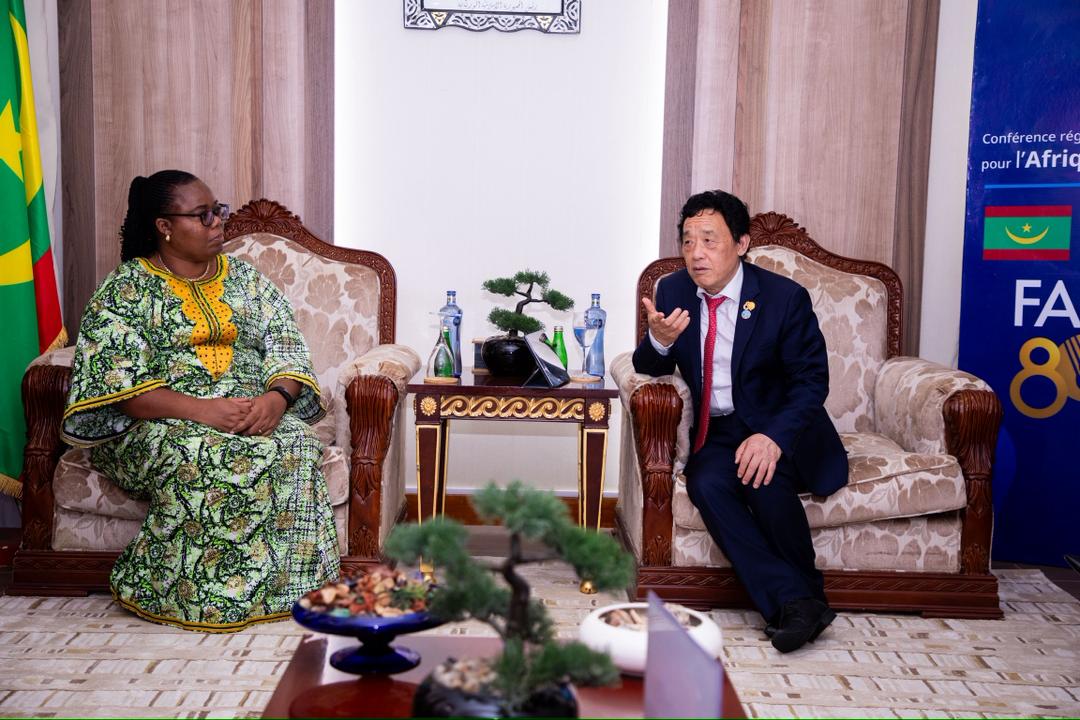
Minister of State Dr. Solange Uwituze meets FAO Director-General Dr. QU Dongyu
The Minister of State for Agriculture and Animal Resources (MINAGRI), Dr. Solange Uwituze, on Wednesday April 15th 2026 met with FAO Director-General,…
Read more
→