National Phytosanitary Committee discuss on enhancing efforts boost agricultural trade
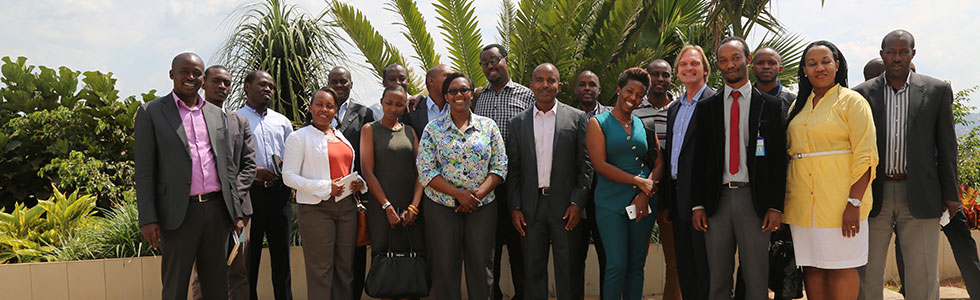
Stakeholders involved in Sanitary and Phytosanitary (SPS) measures and other related international market requirements have met on December 08, 2016 in Kigali to see how to enhance efforts with respect to trade facilitation through eliminating unnecessary barriers to trade of Rwanda’s agricultural products.
The one-day event was organized by the Ministry of Agriculture and Animals Resources in collaboration with Agri- consulting Europe (AESA) and Trade Mark East Africa (TMEA).
Participants reflected and paved the way for implementing Technical Barriers to Trade (TBT), and Sanitary and Phytosanitary measures, thus enhancing regional and international trade and improving competitiveness in order to take advantage of global market on a sustainable basis.
The National SPS committee is one of the sub committees for the National Trade Facilitation Committee (NTFC) and will help our country to ensure internal, regional and international collaboration in terms of international markets requirements.
Opening the workshop, Beatrice Uwumukiza, Director General in charge of Agriculture and Livestock Inspection and Certification Services (RALIS), thanked the Trade Mark East Africa (TMEA) team for the Significant and unforgettable role is playing in Rwanda; especially efforts to comply with these international agreements on trade of agricultural products.
The SPS Agreement introduces new disciplines that govern trading practices at the international level. It sets out the rights and responsibilities of World Trade Organization (WTO) Member Countries that wish to take action to regulate imports in order to protect human, animal or plant life or health while facilitating trade.
Rwanda has signed these agreements to facilitate trade while protecting and improving the health and safety of consumers, the public and environment.
Topics

Rwanda held its third National Seed Congress bringing together actors in seed sector
Rwanda held its 3rd National Seed Congress in Kigali from 20th to 21st July 2026, an event that highly emphasized the role of research, biotechnology,…
Read more
→

Rwanda hosted Africa Food Systems Forum 2026
From 1st to 4th September 2026 in Kigali, Rwanda hosted the 20th edition of the Africa Food Systems Forum (AFSF), which brought together more than…
Read more
→

19th Rwanda Agricultural Show Concludes with Record Participation and Recognition of Agricultural Innovation
The 19th Rwanda Agricultural Show officially closed on Friday, 31 July 2026, at the Mulindi Show Ground in Gasabo District, Kigali City, marking…
Read more
→

Rwanda Agricultural Show 2026: Stakeholders urged to leverage innovation and strategic partnerships for agri-food systems transformation
The Minister of Agriculture and Animal Resources, Dr. Telesphore Ndabamenye, has called on farmers and other agricultural stakeholders to adopt…
Read more
→
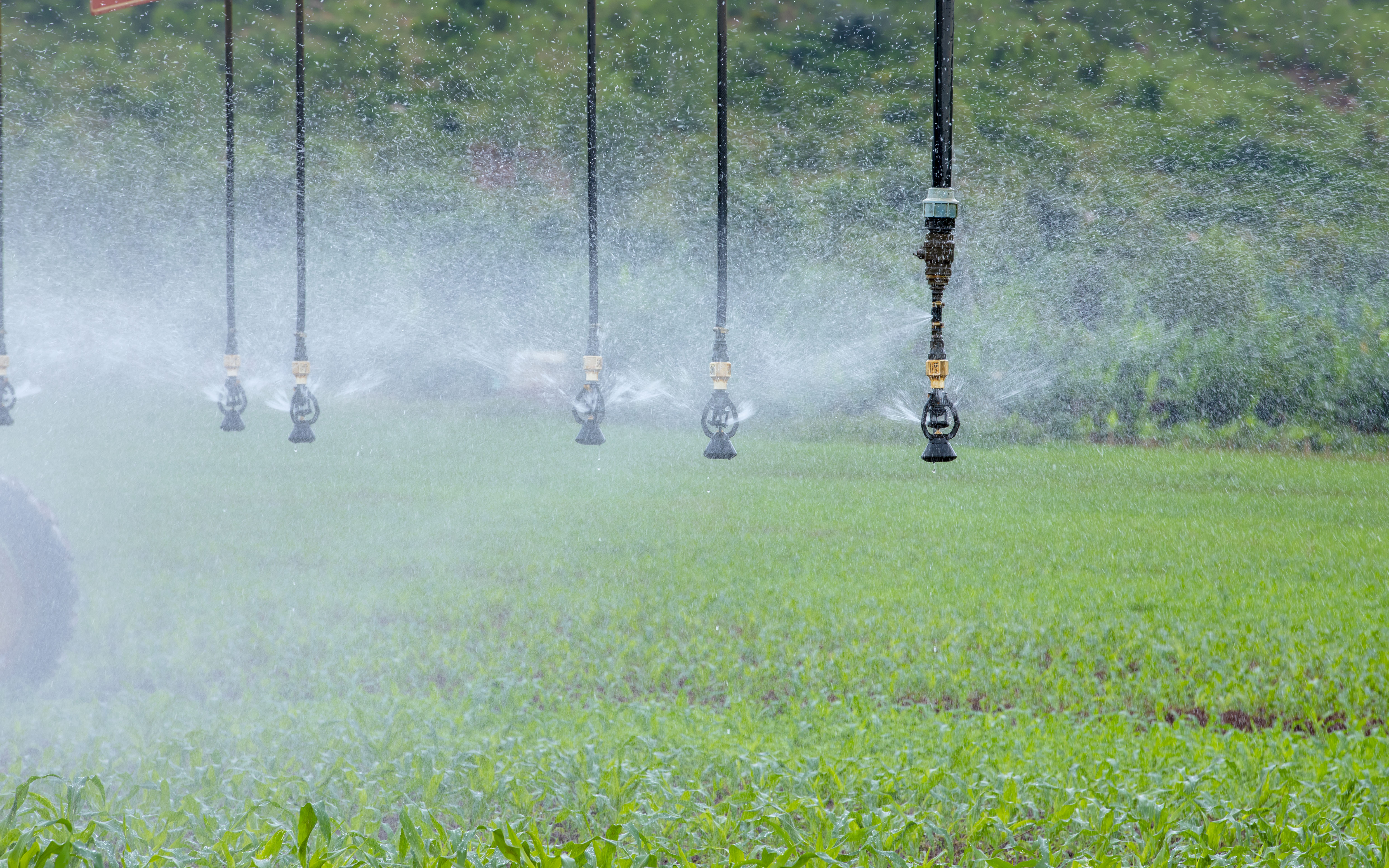
RWANDA’S AGRICULTURE SECTOR TRANSFORMATION OVER THE LAST 32 YEARS
Over the past 32 years, Rwanda’s agriculture sector has undergone a remarkable transformation, evolving from a subsistence farming into a modern,…
Read more
→
Rwanda launched Green House Crop Insurance to boost climate-resilient agriculture
On 7 May 2026, Green House Crop Insurance was officially launched during an event held at the headquarters of the National Institute of Statistics of…
Read more
→

Rwanda to hold third National Seed Congress bringing together actors in seed sector
Rwanda will hold its 3rd National Seed Congress in Kigali from 20th to 21st July 2026, an event that will bring together key stakeholders to discuss…
Read more
→

MINAGRI YIBUTSE KU NSHURO YA 32 ABARI ABAKOZI BAYO BAZIZE JENOSIDE YAKOREWE ABATUTSI
Kuri uyu wa Gatanu tariki ya 15 Gicurasi, 2026, Minisiteri y’Ubuhinzi n’Ubworozi (MINAGRI) n’abafatanyabikorwa bayo bibutse ku nshuro ya 32 abari…
Read more
→
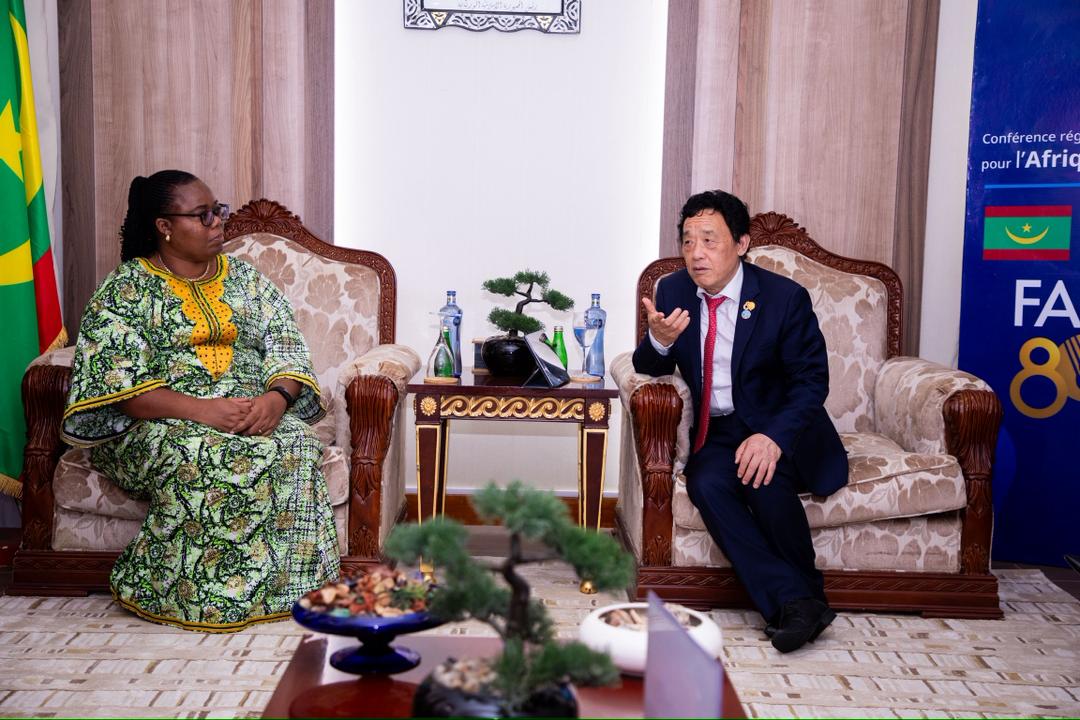
Minister of State Dr. Solange Uwituze meets FAO Director-General Dr. QU Dongyu
The Minister of State for Agriculture and Animal Resources (MINAGRI), Dr. Solange Uwituze, on Wednesday April 15th 2026 met with FAO Director-General,…
Read more
→