PRIVATE SECTOR MEMBERS PROVIDE INPUTS ON NEW STRATEGIC PLAN TO TRANSFORM THE AGRICULTURE SECTOR
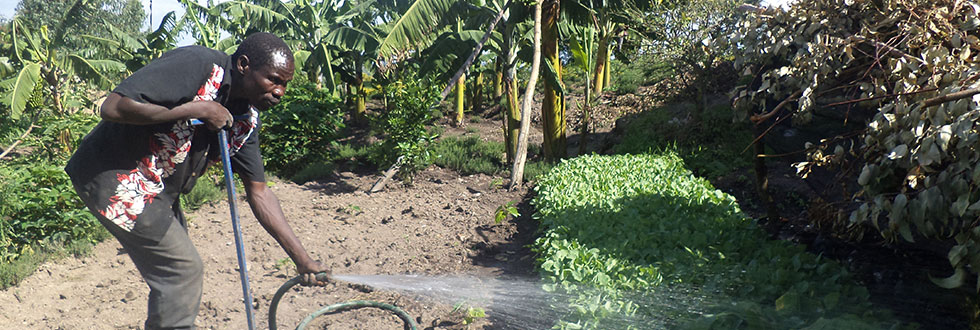
The Ministry of Agriculture and Animal Resources (MINAGRI) and members of the private sector held a workshop on November 01, 2017 in order to collect final feedback and inputs on the fourth Strategic Plan for the Transformation of Agriculture (PSTA IV). The new plan will serve as the nation’s primary blueprint for guiding public investments in Rwanda’s agriculture sector.
The workshop was the second private sector consultation conducted for PSTA IV and was held in partnership with the United States Agency for International Development’s (USAID) Private Sector Driven Agriculture Growth project, the Private Sector Federation/Rwanda Chamber of Agriculture and Livestock (PSF/RCAL) and the United Nations Food and Agriculture Organization (FAO) through the Rwanda Public Private Dialogue (RPPD) mechanism.
At the event, representatives of local agri-businesses and farmers from around the country, private agribusinesses, non-government organizations and civil society organizations, discussed how over 50 recommendations from the previous workshop, held earlier in June of this year, were considered and included in the strategy and discussed the new priority areas emerging for the next seven years.
Dr. Octave Semwaga, Director General of Strategic Planning and Programs Coordination at the ministry, said that the success of this strategy (PSTAIV) about to be validated will count more on its inclusiveness.
“We want all the sector's stakeholders to contribute to its elaboration, and furthermore be involved in its implementation with full knowledge of all its components," he said.
The PSTA IV is designed to focus on attracting and expanding private sector investment in the agriculture sector. It will assign a stronger role to the private sector (including farmers), with government shifting from market actor to market enabler.
Of the key recommendations made by local producers and agri-businesses on June 2nd, 2017, many of them were incorporated in the test policy document. Examples of the issues that were addressed included placing more emphasis on research and skills development, addressing the effects of climate change through the use of improved technology like irrigation, and establishing improved communicating channels between the government and producers and businesses among others.
“I am pleased that I was involved in discussing a PSTAIV draft policy that will guide the development of the sector in which I belong. I am confident that the final policy will reflect the wishes of the beneficiaries in the sector, like myself, which will lead to improvement of our businesses in agriculture and our livelihoods,” says Donatile Nibagwire, a farmer.
Christine Murebwayire, Chairperson of the Rwanda Chamber of Agriculture and Livestock in the Private Sector Federation, added that the private sector appreciated this consultation process that the Government of Rwanda undertook during PSTA IV process to get inputs from farmers, agroprocessors, traders, exporters and investors in agriculture in general.
“It demonstrates the bottom up approach which increases ownership of the private sector. We are committed to work together with all stakeholders during the implementation and will closely monitor this PSTAIV,” Murebwayire said.
Inputs from members of the private sector will be consolidated with other feedback gathered from other stakeholders who participated in the process since inception. PSTA IV is to be finalized by December 2017, and will take effect in June 2018.
Topics

Rwanda held its third National Seed Congress bringing together actors in seed sector
Rwanda held its 3rd National Seed Congress in Kigali from 20th to 21st July 2026, an event that highly emphasized the role of research, biotechnology,…
Read more
→

Rwanda hosted Africa Food Systems Forum 2026
From 1st to 4th September 2026 in Kigali, Rwanda hosted the 20th edition of the Africa Food Systems Forum (AFSF), which brought together more than…
Read more
→

19th Rwanda Agricultural Show Concludes with Record Participation and Recognition of Agricultural Innovation
The 19th Rwanda Agricultural Show officially closed on Friday, 31 July 2026, at the Mulindi Show Ground in Gasabo District, Kigali City, marking…
Read more
→

Rwanda Agricultural Show 2026: Stakeholders urged to leverage innovation and strategic partnerships for agri-food systems transformation
The Minister of Agriculture and Animal Resources, Dr. Telesphore Ndabamenye, has called on farmers and other agricultural stakeholders to adopt…
Read more
→
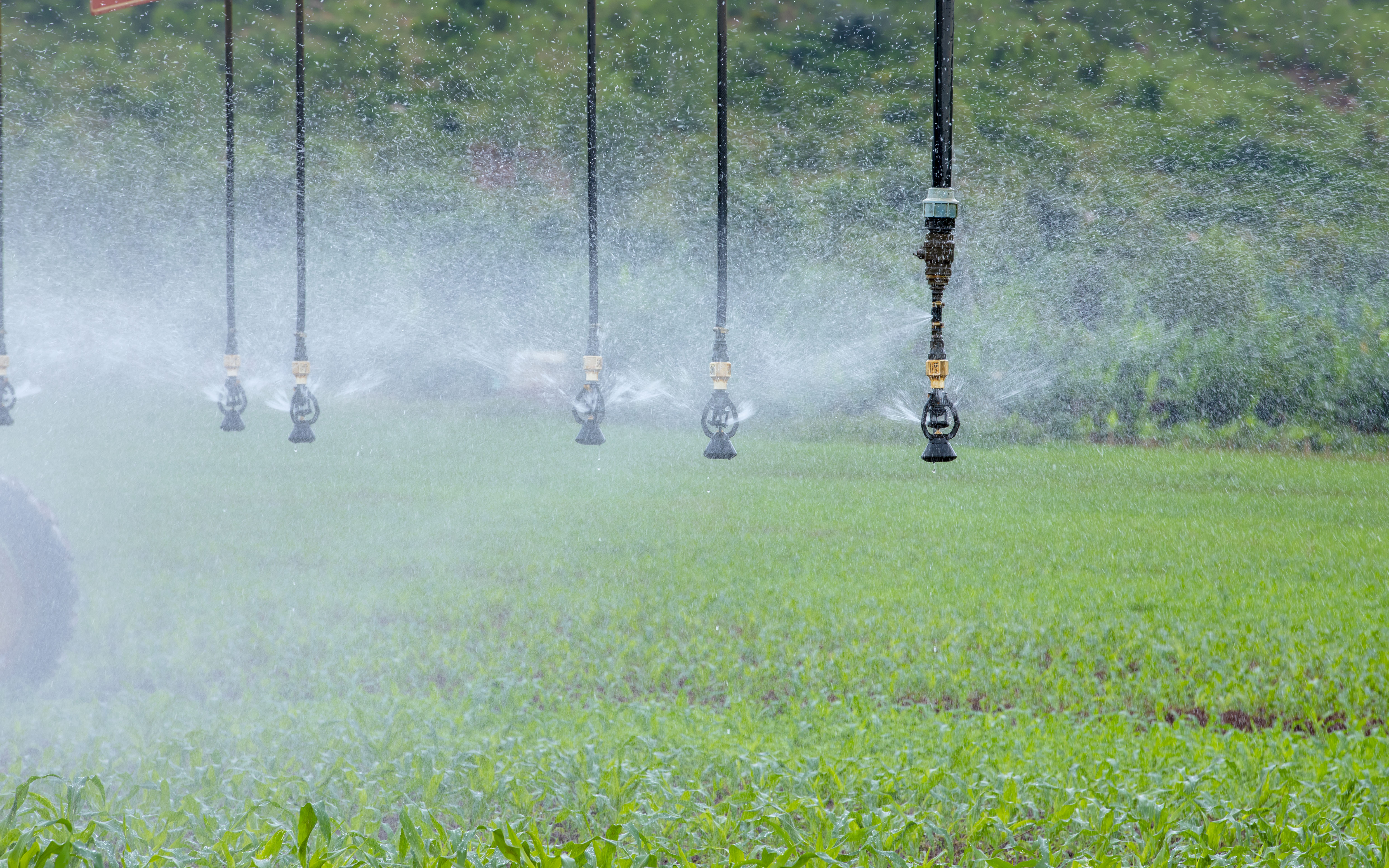
RWANDA’S AGRICULTURE SECTOR TRANSFORMATION OVER THE LAST 32 YEARS
Over the past 32 years, Rwanda’s agriculture sector has undergone a remarkable transformation, evolving from a subsistence farming into a modern,…
Read more
→
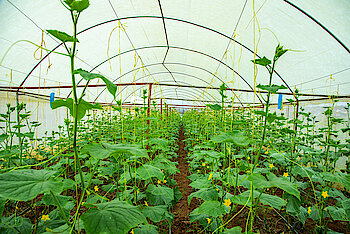
Rwanda launched Green House Crop Insurance to boost climate-resilient agriculture
On 7 May 2026, Green House Crop Insurance was officially launched during an event held at the headquarters of the National Institute of Statistics of…
Read more
→

Rwanda to hold third National Seed Congress bringing together actors in seed sector
Rwanda will hold its 3rd National Seed Congress in Kigali from 20th to 21st July 2026, an event that will bring together key stakeholders to discuss…
Read more
→

MINAGRI YIBUTSE KU NSHURO YA 32 ABARI ABAKOZI BAYO BAZIZE JENOSIDE YAKOREWE ABATUTSI
Kuri uyu wa Gatanu tariki ya 15 Gicurasi, 2026, Minisiteri y’Ubuhinzi n’Ubworozi (MINAGRI) n’abafatanyabikorwa bayo bibutse ku nshuro ya 32 abari…
Read more
→
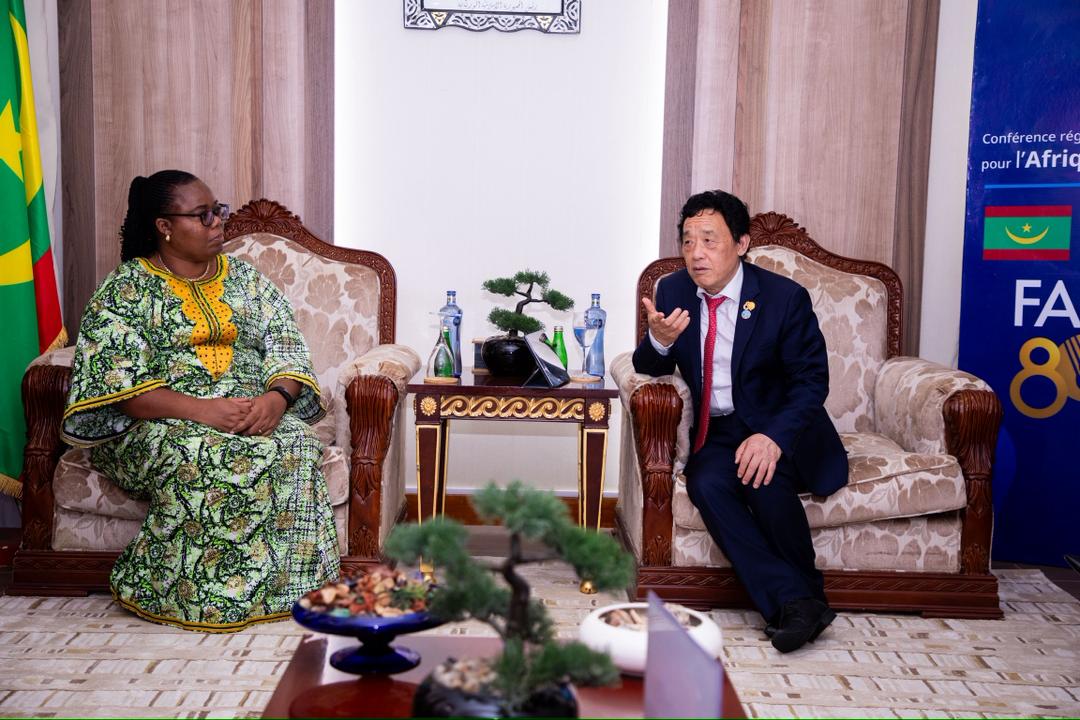
Minister of State Dr. Solange Uwituze meets FAO Director-General Dr. QU Dongyu
The Minister of State for Agriculture and Animal Resources (MINAGRI), Dr. Solange Uwituze, on Wednesday April 15th 2026 met with FAO Director-General,…
Read more
→