RWANDA CELEBRATES THE WORLD FOOD DAY
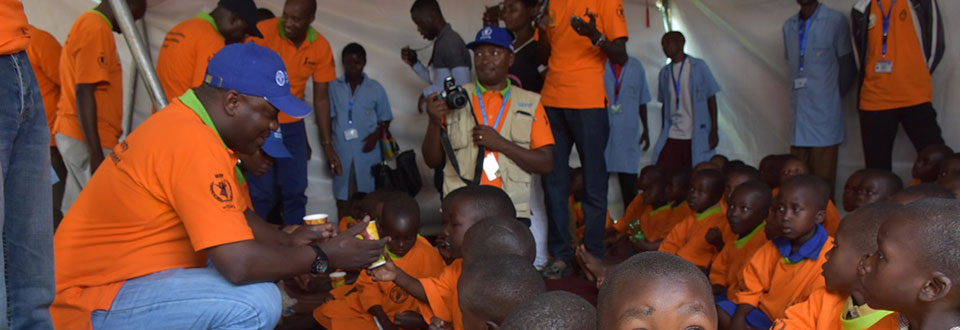
Rwanda celebrates the World Food DRwandans joined the rest of the world on October 26, 2017 to celebrate this year’s World Food Day that took place in Rubengera sector of Karongi District. It was observed under theme “Invest in Food Security and Rural Development.”
The annual World Food Day celebration was organized by the Ministry of Agriculture and Animal Resources, in collaboration with the United Nations Rome-based Agencies including Food and Agriculture Organization (FAO), International Fund for Agricultural Development (IFAD), and World Food Programme (WFP).
The event was marked by a series of activities including sowing beans, giving milk and vitamin-rich food to children, giving dairy cows to vulnerable families, and an exhibition of agricultural produce to showcase how best farming practices have improved yields.
This celebration is an opportunity to enhance coordination and guidance for various efforts made in agriculture investment especially food security investment. The event was also an occasion to call the attention of the private sector to invest in food security to increase incomes and provide opportunities of Rwandans’ livelihood improvement.
Minister of Agriculture and Animal Resources, Dr Gerardine Mukeshimana, said that the World Food Day is a chance to show Rwanda’s commitment to Sustainable Development Goal (SDG) 2 – to achieve Zero Hunger by 2030; and also to celebrate the progress the country has already made towards reaching “Zero Hunger.”
“The government of Rwanda has made considerable effort in promoting vitamin-rich foods including iron beans and sweet potatoes rich in vitamin A in a bid to eradicate malnutrition in the country,” said Minister Mukeshimana.
Girinka program is another government’s initiative that has contributed a lot in improving nutrition among Rwandans through milk consumption, according to the minister. Since its inception in 2006, at least 300,740 vulnerable families have received dairy cows; and the initiative still goes on.
The minister also took the opportunity to urge all Rwandans in general, and Karongi residents in particular, to sustain agricultural infrastructure facilities such as radical terraces, irrigation and post-harvest facilities that have been provided by the government
Food and nutrition have become a foundational issue of Rwanda’s plans for economic development and poverty reduction. The 2013 National Food and Nutrition Policy (NFNP) recommends actions needed to sustain this position and innovative strategies that will help to assure that in Rwanda food and nutrition improvement becomes and remains everyone’s business.
Topics

Rwanda held its third National Seed Congress bringing together actors in seed sector
Rwanda held its 3rd National Seed Congress in Kigali from 20th to 21st July 2026, an event that highly emphasized the role of research, biotechnology,…
Read more
→

Rwanda hosted Africa Food Systems Forum 2026
From 1st to 4th September 2026 in Kigali, Rwanda hosted the 20th edition of the Africa Food Systems Forum (AFSF), which brought together more than…
Read more
→

19th Rwanda Agricultural Show Concludes with Record Participation and Recognition of Agricultural Innovation
The 19th Rwanda Agricultural Show officially closed on Friday, 31 July 2026, at the Mulindi Show Ground in Gasabo District, Kigali City, marking…
Read more
→

Rwanda Agricultural Show 2026: Stakeholders urged to leverage innovation and strategic partnerships for agri-food systems transformation
The Minister of Agriculture and Animal Resources, Dr. Telesphore Ndabamenye, has called on farmers and other agricultural stakeholders to adopt…
Read more
→
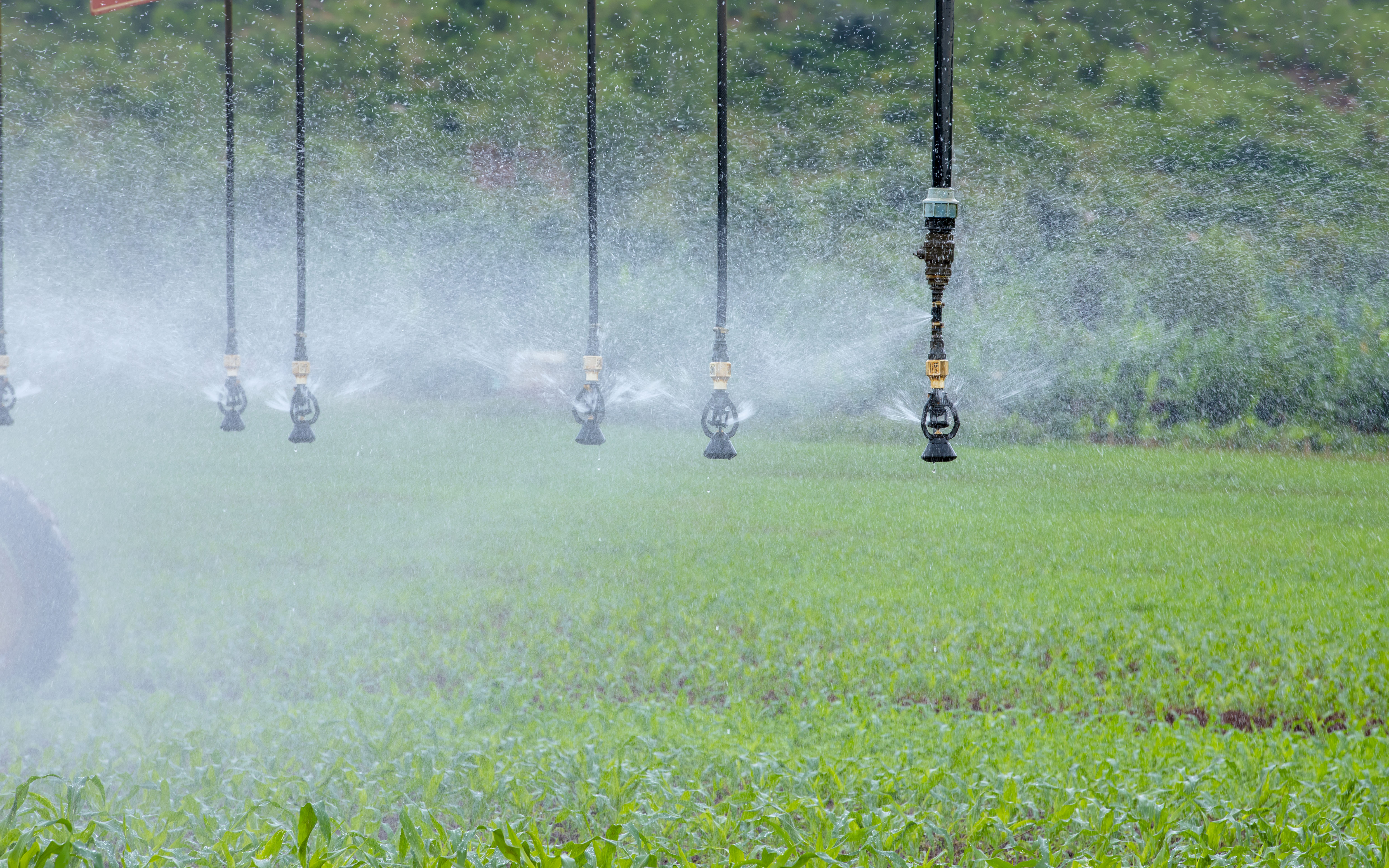
RWANDA’S AGRICULTURE SECTOR TRANSFORMATION OVER THE LAST 32 YEARS
Over the past 32 years, Rwanda’s agriculture sector has undergone a remarkable transformation, evolving from a subsistence farming into a modern,…
Read more
→
Rwanda launched Green House Crop Insurance to boost climate-resilient agriculture
On 7 May 2026, Green House Crop Insurance was officially launched during an event held at the headquarters of the National Institute of Statistics of…
Read more
→

Rwanda to hold third National Seed Congress bringing together actors in seed sector
Rwanda will hold its 3rd National Seed Congress in Kigali from 20th to 21st July 2026, an event that will bring together key stakeholders to discuss…
Read more
→

MINAGRI YIBUTSE KU NSHURO YA 32 ABARI ABAKOZI BAYO BAZIZE JENOSIDE YAKOREWE ABATUTSI
Kuri uyu wa Gatanu tariki ya 15 Gicurasi, 2026, Minisiteri y’Ubuhinzi n’Ubworozi (MINAGRI) n’abafatanyabikorwa bayo bibutse ku nshuro ya 32 abari…
Read more
→
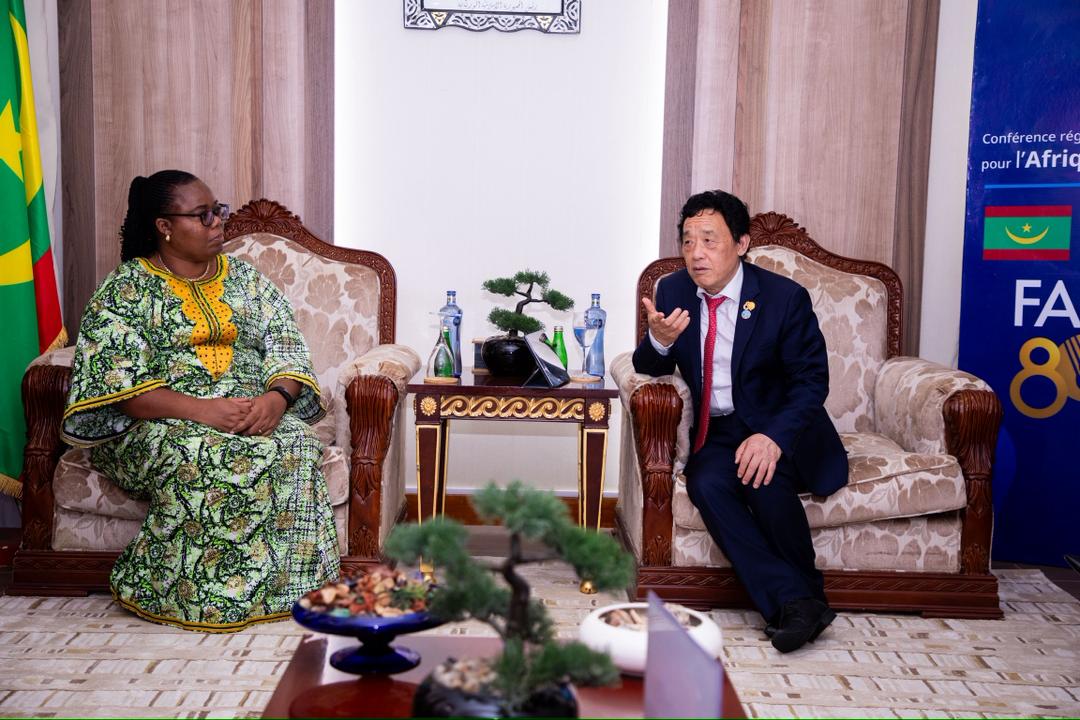
Minister of State Dr. Solange Uwituze meets FAO Director-General Dr. QU Dongyu
The Minister of State for Agriculture and Animal Resources (MINAGRI), Dr. Solange Uwituze, on Wednesday April 15th 2026 met with FAO Director-General,…
Read more
→