Rwanda hosts a Regional Consultation on rolling out of the Science Agenda for Agriculture in Africa
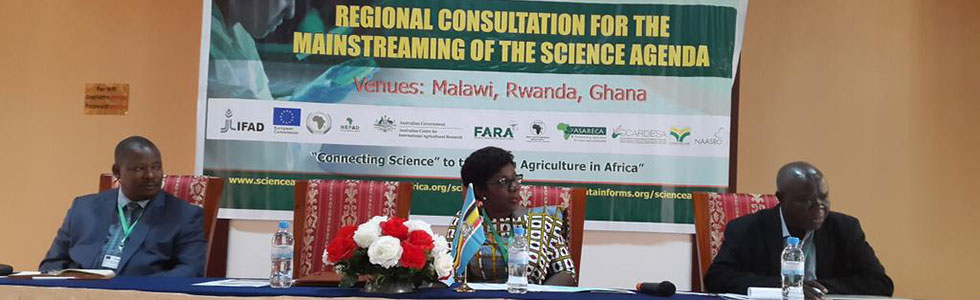
Regional actors in Agricultural Research and development are attending a consultation workshop in Kigali on on rolling out of the Science Agenda for Agriculture in Africa (S3A) for East and Central Africa Region.
The 3-day workshop, running from the 19th to 21st April 2017, was organized by the Forum for Agricultural Research in Africa (FARA) in collaboration with the Association for Strengthening Agricultural Research in Eastern and Central Africa (ASARECA) and the Rwanda Agriculture Board (RAB). Participants include actors in Agricultural Research and Development from Rwanda, Burundi, DRC, Ethiopia, Kenya, Sudan, South Sudan, Tanzania, Eritrea, Uganda and Madagascar.
The Science Agenda is a framework for deepening the application of Science for the transformation of Agriculture in Africa as a means for sustainable inclusive growth, shared prosperity and poverty reduction. The S3A emanated from Africa countries through the Heads of State as a framework for sustaining CAADP momentum and realising the Malabo targets.
For the first time, AU Heads of State and Government adopted the Malabo Declaration on Accelerated Agricultural Growth and Transformation for Shared Prosperity and Improved Livelihoods with clear concrete targets (Malabo targets) on eliminating hunger, poverty, food insecurity among others by 2025.
The critical practical building block for the realisation of these targets was a need to apply Science to Agriculture for improvement in productivity, competitiveness and inclusiveness of Agricultural System. The S3A therefore respond to these targets of achieving food security, zero hunger and poverty by providing a framework for the prioritisation and application of Science to Agriculture in Africa.
Levering on its mandate as a technical arm of the AUC, FARA was then mandated to coordinate the development of the Science Agenda, albeit through a consultative process that builds on the success and capacities of Science, Technology and Innovation across the continent. The development process was inclusive, critical and consultative.
The S3A’s vision is that “By 2030 Africa is food secure, a global scientific player, and the world’s breadbasket. The S3A amongst other thing advocates for a doubling of public and private sector investment into agricultural research for development (AR4D) by 2020.
Following its development, The S3A was endorsed by the African Union (AU) Joint Conference of Ministers of Agriculture, Rural Development, Fisheries and Aquaculture in April 2014 and subsequently by the AU Heads of State and Governments in their June 2014 Malabo Declaration on Accelerated African Agricultural Growth and Transformation. The Science Agenda was launched in Johannesburg in November 2014.
The Science Agenda for Agriculture in Africa (S3A) outlines the guiding principles to help Africa take charge of the science to transform its agriculture. It refers to the science, technology, extension, innovations, policy and social learning Africa needs to apply to meet its evolving agricultural development goals. The S3A is based on the recognition of the game-changing potential of science for the continent’s agricultural transformation agenda encapsulated in the CAADP. The empirical evidence show that a deeper application of Science in Agriculture will improve productivity, food security, employment and resilient livelihoods.
Realisation of the Science Agenda’s vision depends on effective domestication of this framework agenda into national strategies, investment plans and action plans given the uniqueness of the contexts, challenges, opportunities and priorities of countries. To ensure that the S3A is owned and driven by countries, a series of engagements at Sub regional and National level are being organised by FARA that will help set up a controlled process for deepening national engagements with S3A implementation by countries.
The Science Agenda emanated from African countries, thus its implementation must be driven by African countries.
The Science Agenda for Agriculture in Africa will be implemented using a Scaling up approach, starting with five countries and scaling up to other countries. The first set of countries were identified using a set of criteria modelling a country’s Science agenda preparedness. The Scaling up approach is to allow continuous learning, creating evidence and impact. The engagement strategy will include the following processes.
Based on the investments in Science, Technology and Innovation and its clear priority for the deepening of Science to transform Agriculture, Rwanda has been identified as the starting point for the Southern African Sub region. The Science Agenda will build on this.
This consultation comes at the heels of the first S3A Regional Consultation for the Southern Africa countries hosted by Malawi from the 10th – 12th April 2017.
Topics

19th Rwanda Agricultural Show Concludes with Record Participation and Recognition of Agricultural Innovation
The 19th Rwanda Agricultural Show officially closed on Friday, 31 July 2026, at the Mulindi Show Ground in Gasabo District, Kigali City, marking…
Read more
→

Rwanda Agricultural Show 2026: Stakeholders urged to leverage innovation and strategic partnerships for agri-food systems transformation
The Minister of Agriculture and Animal Resources, Dr. Telesphore Ndabamenye, has called on farmers and other agricultural stakeholders to adopt…
Read more
→
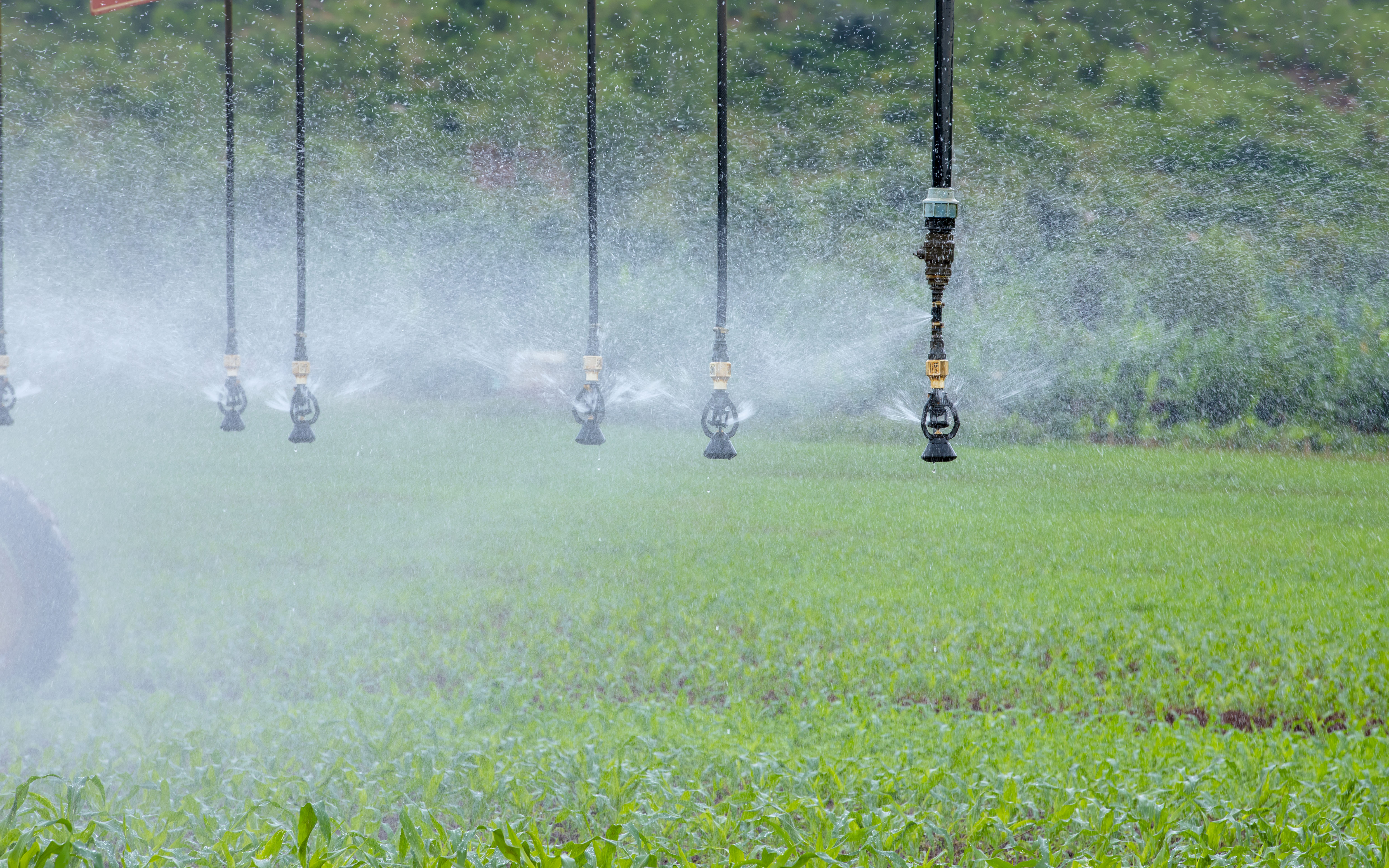
RWANDA’S AGRICULTURE SECTOR TRANSFORMATION OVER THE LAST 32 YEARS
Over the past 32 years, Rwanda’s agriculture sector has undergone a remarkable transformation, evolving from a subsistence farming into a modern,…
Read more
→
Rwanda launched Green House Crop Insurance to boost climate-resilient agriculture
On 7 May 2026, Green House Crop Insurance was officially launched during an event held at the headquarters of the National Institute of Statistics of…
Read more
→

Rwanda to hold third National Seed Congress bringing together actors in seed sector
Rwanda will hold its 3rd National Seed Congress in Kigali from 20th to 21st July 2026, an event that will bring together key stakeholders to discuss…
Read more
→

MINAGRI YIBUTSE KU NSHURO YA 32 ABARI ABAKOZI BAYO BAZIZE JENOSIDE YAKOREWE ABATUTSI
Kuri uyu wa Gatanu tariki ya 15 Gicurasi, 2026, Minisiteri y’Ubuhinzi n’Ubworozi (MINAGRI) n’abafatanyabikorwa bayo bibutse ku nshuro ya 32 abari…
Read more
→
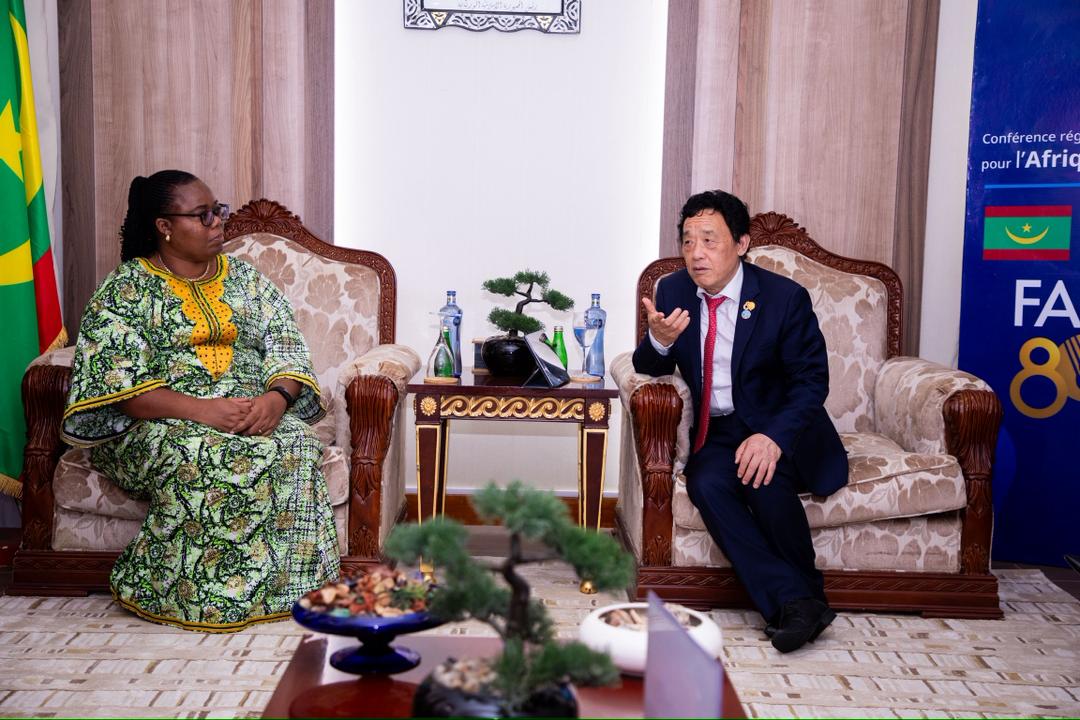
Minister of State Dr. Solange Uwituze meets FAO Director-General Dr. QU Dongyu
The Minister of State for Agriculture and Animal Resources (MINAGRI), Dr. Solange Uwituze, on Wednesday April 15th 2026 met with FAO Director-General,…
Read more
→
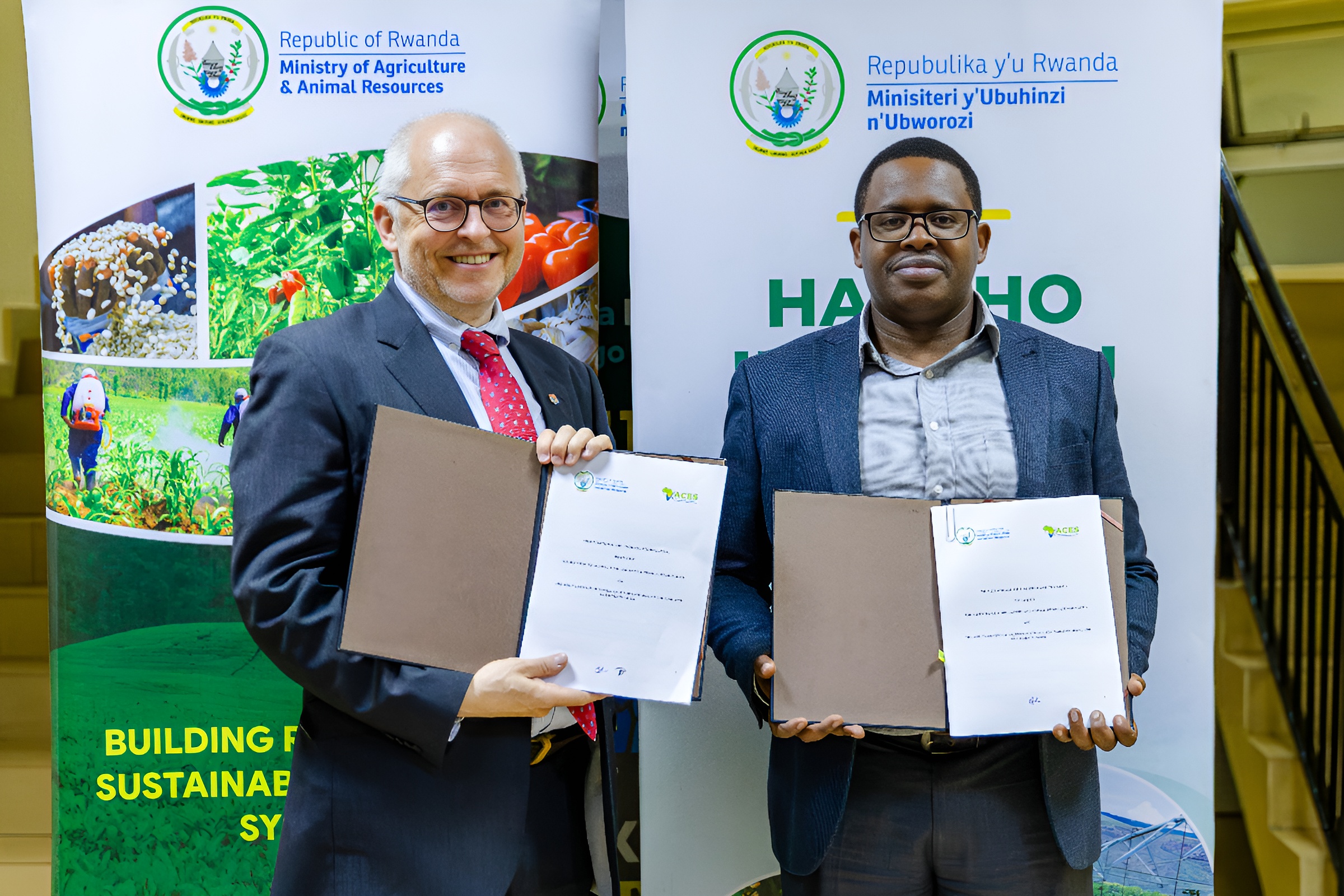
Rwanda Strengthens Agricultural Value Chains Through MINAGRI–ACES Cold-Chain Partnership
On 25th March 2026, Rwanda took a significant step toward transforming its agricultural sector following the signing of a strategic Memorandum of…
Read more
→
RWANDA SECURES OVER RWF 110 BILLION IN IFAD FUNDING TO BOOST AGRICULTURE
The Government of Rwanda has secured $78.5 million, more than Rwf110 billion, in financing from the International Fund for Agricultural Development…
Read more
→