Rwanda is food secure despite fall armyworm – Hon. Minister Mukeshimana
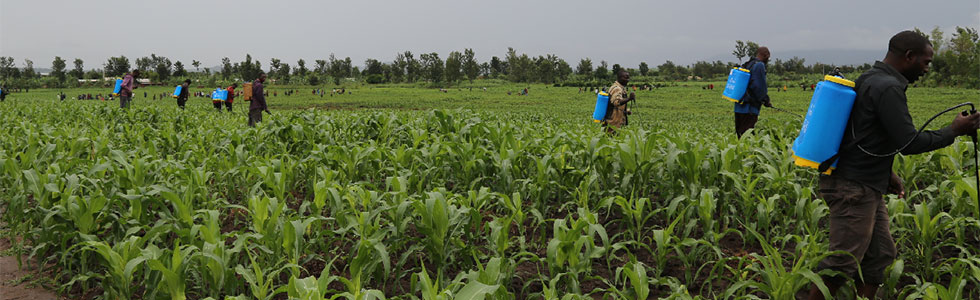
Rwanda’s food security situation remains under control despite the fall armyworms that have affected maize plantations in some areas of the country during the current season, according to Dr Gerardine Mukeshimana, Minister of Agriculture and Animal Resources.
First reported in Nyamagabe District at the end of February 2017, the pest has so far infested 15,699 hecatares, representing a quarter of the total area of 63,499 heactares planted with maize. This represents a small portion – around 5% – of the total cultivated land countrywide this season.
“The armyworms will not seriously impact food security because maize was not cultivated in large areas of land during the agriculture season 2017B,” Minister Mukeshimana points out. “95% of the total cultivated land this season – 1,300,000 hectares – covers other crops which will sustain food security.”
These crops include beans, Irish potatoes, banana, rice, wheat, soybeans, and cassava that have been prioritized under the Crop Intensification Programme (CIP). Other subsistence crops such as sweet potatoes have also been grown during this season to ensure food security, the minister adds.
Joint intervention
Minister Mukeshimana explained that the Government of Rwanda stepped up plans to fight armyworms in the beginning of 2017 after the pest was reported in some Southern Africa countries. From that time, farmers across the country were alerted and a campaign was conducted to inform them on how to identify and fight armyworms.
The Ministry of Agriculture and Animal Resources (MINAGRI) initiated radio talk shows to raise awareness about the new pest. In addition, there has been massive trainings of farmers, agronomists and local leaders at district and sector levels, on differentiating fall armyworms from maize stalk borer for better targeted control measures.
The Rwanda Agriculture Board (RAB) has provided insecticides to affected farmers who have limited means, tin order to facilitate quick intervention. Some farmer cooperatives and individuals have taken the initiative to purchase chemicals from agro-dealers on their own.
MINAGRI also sought support from other institutions mainly Local Government, Rwanda Defense Force and National Police in the exercise to spray pesticides and collect armyworms from affected farms. The pesticides being used are eco-friendly to avoid further adverse effects to the environment.
“From the time the Ministry and other institutions started to spray pesticides, the armyworms have reduced. However efforts are still underway will continue to for a long period of time to ensure that the pest is completely eradicated,” Minister Mukeshimana said. “The ministry is working hand in hand with local leaders all over the country to support farmers in the getting rid of armyworms.”
The fall armyworm was first reported in West Africa in January 2016. Between December 2016 and March 2017, it was reported in several countries in Southern, and Eastern Africa.
Topics

Rwanda held its third National Seed Congress bringing together actors in seed sector
Rwanda held its 3rd National Seed Congress in Kigali from 20th to 21st July 2026, an event that highly emphasized the role of research, biotechnology,…
Read more
→

Rwanda hosted Africa Food Systems Forum 2026
From 1st to 4th September 2026 in Kigali, Rwanda hosted the 20th edition of the Africa Food Systems Forum (AFSF), which brought together more than…
Read more
→

19th Rwanda Agricultural Show Concludes with Record Participation and Recognition of Agricultural Innovation
The 19th Rwanda Agricultural Show officially closed on Friday, 31 July 2026, at the Mulindi Show Ground in Gasabo District, Kigali City, marking…
Read more
→

Rwanda Agricultural Show 2026: Stakeholders urged to leverage innovation and strategic partnerships for agri-food systems transformation
The Minister of Agriculture and Animal Resources, Dr. Telesphore Ndabamenye, has called on farmers and other agricultural stakeholders to adopt…
Read more
→
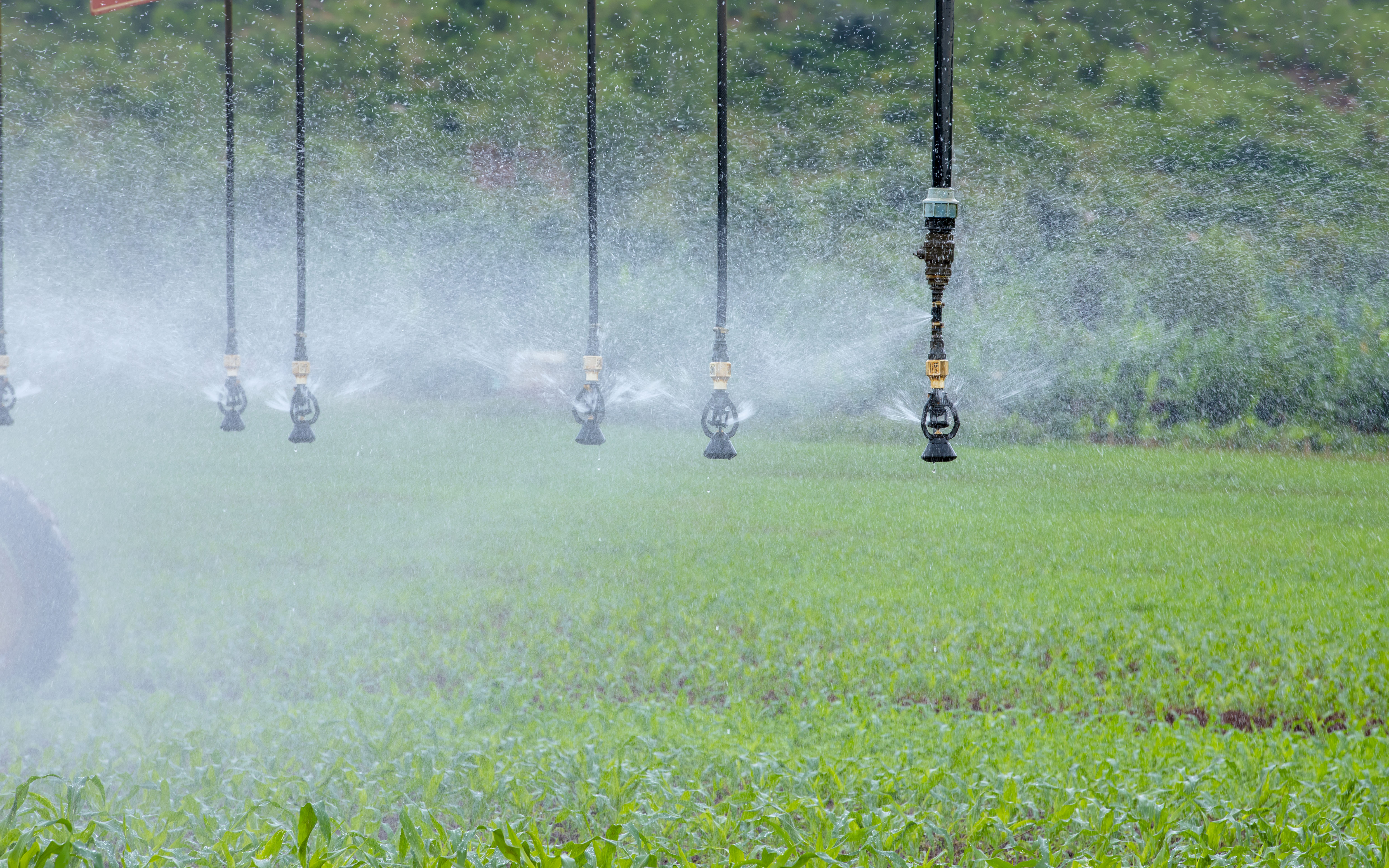
RWANDA’S AGRICULTURE SECTOR TRANSFORMATION OVER THE LAST 32 YEARS
Over the past 32 years, Rwanda’s agriculture sector has undergone a remarkable transformation, evolving from a subsistence farming into a modern,…
Read more
→
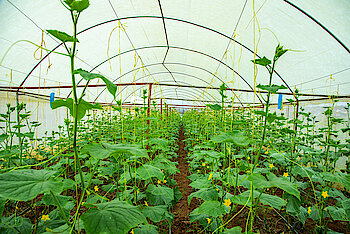
Rwanda launched Green House Crop Insurance to boost climate-resilient agriculture
On 7 May 2026, Green House Crop Insurance was officially launched during an event held at the headquarters of the National Institute of Statistics of…
Read more
→

Rwanda to hold third National Seed Congress bringing together actors in seed sector
Rwanda will hold its 3rd National Seed Congress in Kigali from 20th to 21st July 2026, an event that will bring together key stakeholders to discuss…
Read more
→

MINAGRI YIBUTSE KU NSHURO YA 32 ABARI ABAKOZI BAYO BAZIZE JENOSIDE YAKOREWE ABATUTSI
Kuri uyu wa Gatanu tariki ya 15 Gicurasi, 2026, Minisiteri y’Ubuhinzi n’Ubworozi (MINAGRI) n’abafatanyabikorwa bayo bibutse ku nshuro ya 32 abari…
Read more
→
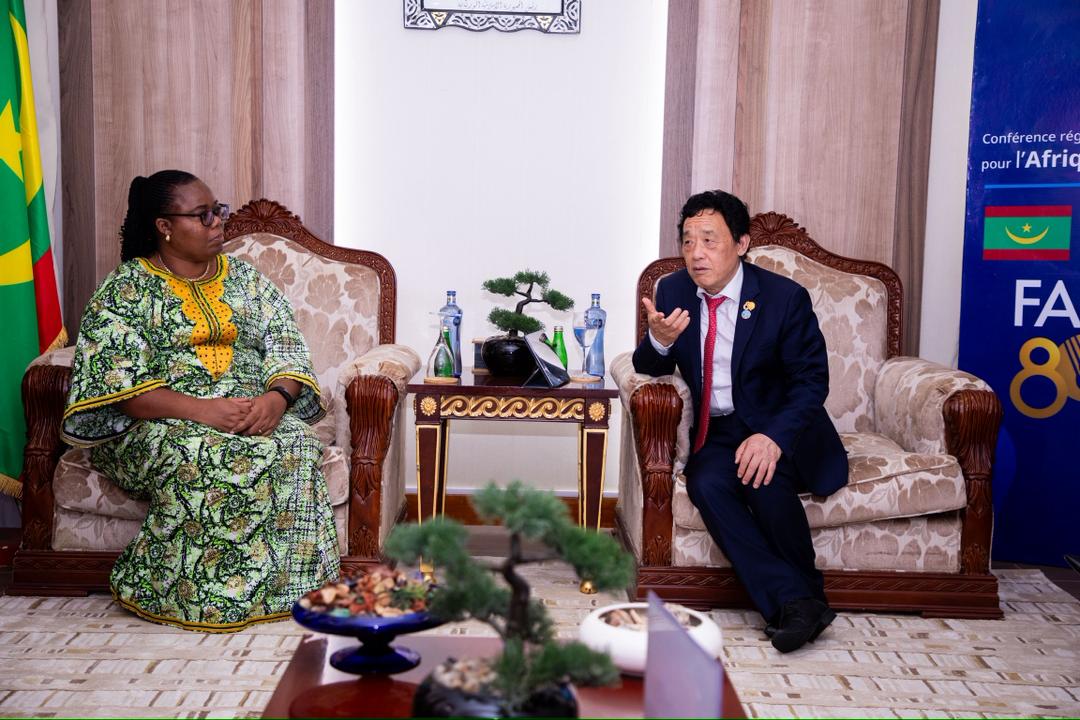
Minister of State Dr. Solange Uwituze meets FAO Director-General Dr. QU Dongyu
The Minister of State for Agriculture and Animal Resources (MINAGRI), Dr. Solange Uwituze, on Wednesday April 15th 2026 met with FAO Director-General,…
Read more
→