RWANDA’S AGRICULTURE SECTOR TRANSFORMATION JOURNEY OVER THE LAST 27 YEARS
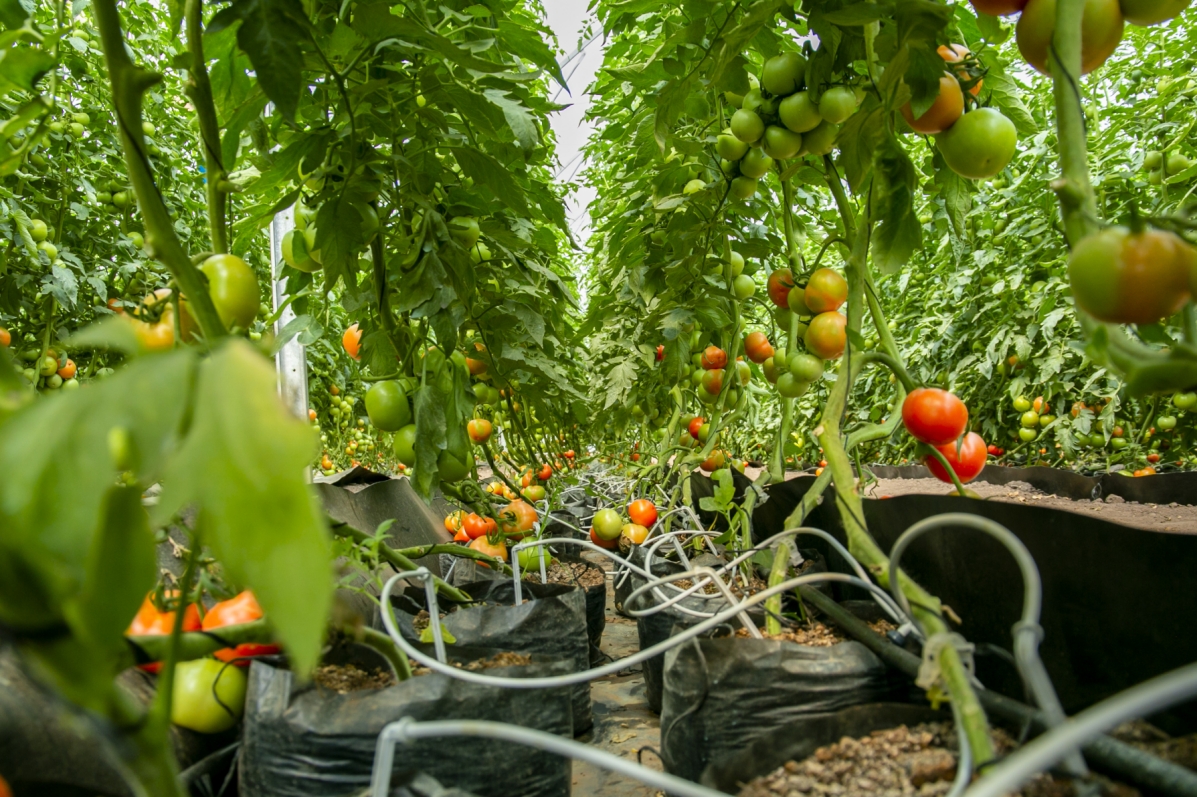
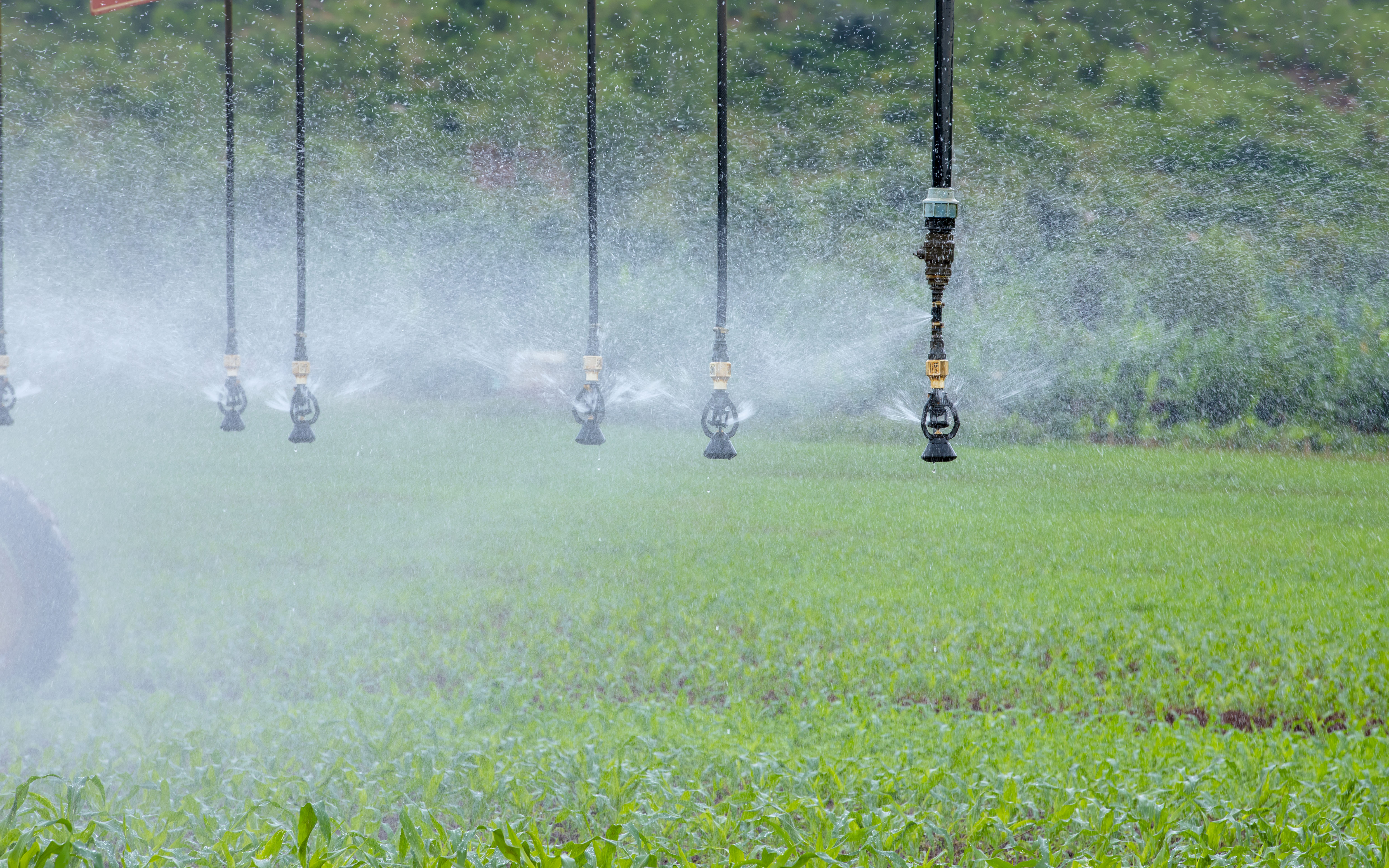 Over the last 27 years, Rwanda has made remarkable progress as highlighted by the rapid economic growth and sharp reductions in poverty. The agriculture sector has remained pivotal in improving livelihoods of Rwandans and sustaining the country’s economy. The agricultural sector accounts for nearly 30% of the national Gross domestic product (GDP).
Rwanda’s economy has enjoyed exceptional average growth of 7.2 % (2019), while having a per capita GDP growth of 5% annually.
From a socio-economic front, the overall decrease in the poverty rate went from 60.4 % in 2000 to 38.2 % in 2017 and agriculture is one of the key drivers.
For example, the increase of animal population boosted animal products in the country. For instance, Cattle population grew from 172,000 to around 1,300,000 with a contribution of over 380,162 cows from Girinka programme which was initiated in 2006. This has contributed to the improvement of livelihoods, nutrition, family incomes and social cohesion among Rwandans. Milk production has increased from 7,206,000 liters per year in 1994 to over 864,252,000 liters to date – an increase of over 117.5 times. Before 1994, Rwanda's fish production was below 7,000 MT per year.
Today, the country produces 35,670 MT of fish – a tremendous increase as more Rwandans now have entered into fish farming business. Additional initiatives such as small stock distribution to vulnerable families were initiated: 8,735 pigs and 154,800 poultry were distributed to youth cooperatives from poor families.
Agriculture is an important source of foreign exchange, making up about 63% of the value of Rwanda’s exports. Agriculture export income increased from $70 million before 1994 to $419 million today.
Only coffee, tea & Pyrethrum were considered as cash crops, however staple crops, animal products, new commodities like Macadamia, flowers, fruits, vegetables, cereals & grains are now also considered as cash commodities.
Annual tea production grew from 11,000MT of made tea in 1994 to 32,634 MT of made tea to date. Annual tea revenue was only $17.5 million 26 years ago, but this cash crop now generates USD$ 93.6 million and it is exported to 13 countries among which are Pakistan, UK, Kazakhstan, Sudan, Egypt and Ireland. In the same period, annual coffee income has increased from USD 38 million to over USD 60.4 million today.
Topics

Rwanda held its third National Seed Congress bringing together actors in seed sector

Rwanda hosted Africa Food Systems Forum 2026

19th Rwanda Agricultural Show Concludes with Record Participation and Recognition of Agricultural Innovation

Rwanda Agricultural Show 2026: Stakeholders urged to leverage innovation and strategic partnerships for agri-food systems transformation
RWANDA’S AGRICULTURE SECTOR TRANSFORMATION OVER THE LAST 32 YEARS
Rwanda launched Green House Crop Insurance to boost climate-resilient agriculture

Rwanda to hold third National Seed Congress bringing together actors in seed sector

MINAGRI YIBUTSE KU NSHURO YA 32 ABARI ABAKOZI BAYO BAZIZE JENOSIDE YAKOREWE ABATUTSI