RWANDA’S AGRICULTURE SECTOR TRANSFORMATION OVER THE LAST 32 YEARS
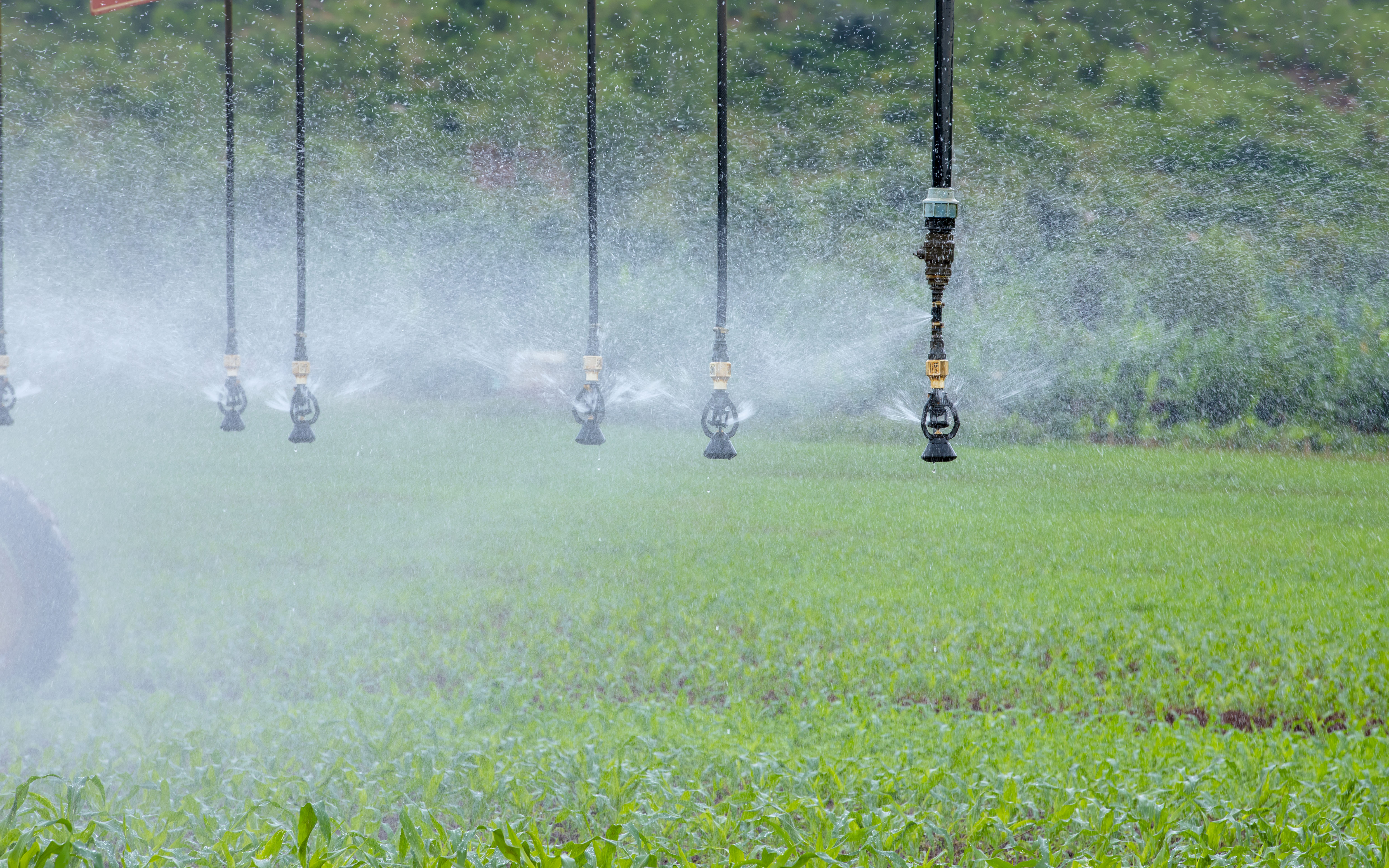
Over the past 32 years, Rwanda’s agriculture sector has undergone a remarkable transformation, evolving from a subsistence farming into a modern, market-oriented sector that plays a central role in food security, economic growth, and poverty reduction.
Following the 1994 Genocide against the Tutsi, the country faced immense challenges, including damaged infrastructure, low agricultural productivity, and reduced livestock populations.
But through post-genocide visionary leadership, sound policies, and sustained investment, Rwanda has rebuilt and modernized the sector, making it one of the key pillars of national development.
Today, agriculture utilizes more than 1.37 million hectares of land, representing about 58 percent of the country’s total land area. Government programmes such as the Crop Intensification Programme (CIP), land consolidation, irrigation development, the promotion of improved seeds and fertilizers, as well as the development of a modern livestock sector have significantly increased crop and livestock productivity.
By 2024, nearly 40 percent of farmers in the country were already using improved seeds, while more than 64 percent applied mineral fertilizers, contributing to sustained higher yields of major crops including maize, rice, potatoes, and beans.
Agriculture continues to make a significant contribution to the national economy. In 2025, the sector accounted for 20 percent of Rwanda’s Gross Domestic Product (GDP) and the sector remains a major source of employment and income for rural households.
In the livestock area, remarkable progress was made, especially through the Girinka programme, under which more than 450,000 households have received cows so far, hence improving nutrition, household incomes, and access to organic manure for farming.
Technology and innovation have also become important drivers of growth in agriculture and livestock production. Through the Smart Nkunganire System (SNS), millions of farmers have gained easier access to subsidized agricultural inputs. Investments in irrigation, mechanization, climate-smart agriculture, and improved livestock breeding technologies have further enhanced productivity and strengthened resilience against climate change.
Rwanda has also expanded post-harvest infrastructure and agricultural value addition facilities. Storage facilities, drying infrastructure, cold rooms, tea factories, and coffee washing stations have contributed to reducing post-harvest losses, improving quality, and increasing the value of agricultural exports.
These achievements have contributed significantly to improved food security and nutrition. Rwanda currently achieves nearly 83 percent food self-sufficiency, while increased production of crops, milk, and meat has enhanced access to nutritious foods and supported efforts to reduce malnutrition and stunting among children.
Looking ahead, Rwanda remains committed to building a modern, productive, technology-driven, and climate-resilient agricultural sector. Under the National Strategy for Transformation (NST2) that covers 2024 to 2029, the country aims to achieve annual agricultural growth exceeding 6 percent, expand irrigated land from 74,375 hectares to 132,171 hectares, and increase annual milk production from the current 1.1million tones to more than 1.3 million tonnes.
Agricultural export revenues are also projected to rise from USD 893.2 million in 2024/2025 to USD 1.54 billion by 2028/2029.
As Rwanda marks 32 years since Liberation, the transformation of agriculture stands as one of the country’s most significant development achievements. While challenges such as climate change and limited agricultural land remain, the progress recorded over the past three decades demonstrates Rwanda’s commitment to building a resilient agricultural sector that supports economic growth, food security, and improved livelihoods for all citizens.
END
Topics

Rwanda held its third National Seed Congress bringing together actors in seed sector

Rwanda hosted Africa Food Systems Forum 2026

19th Rwanda Agricultural Show Concludes with Record Participation and Recognition of Agricultural Innovation

Rwanda Agricultural Show 2026: Stakeholders urged to leverage innovation and strategic partnerships for agri-food systems transformation
RWANDA’S AGRICULTURE SECTOR TRANSFORMATION OVER THE LAST 32 YEARS
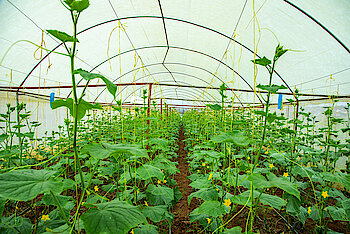
Rwanda launched Green House Crop Insurance to boost climate-resilient agriculture

Rwanda to hold third National Seed Congress bringing together actors in seed sector

MINAGRI YIBUTSE KU NSHURO YA 32 ABARI ABAKOZI BAYO BAZIZE JENOSIDE YAKOREWE ABATUTSI