STAKEHOLDERS DISCUSS ON ACCELERATING END OF HUNGER AND MALNUTRITION BY 2025

On October, 23, 2017, stakeholders involved in eradicating malnutrition in Rwanda met in Kigali and discussed on tactics to accelerate the elimination of hunger and undernutrition in the country by 2025; which is in line with ‘Compact2025’ objective.
Compact2025, a new initiative spearheaded by the International Food Policy Research Institute (IFPRI) for ending hunger and undernutrition by 2025, brings stakeholders together to set priorities, innovate and learn, fine-tune actions, build on successes and synthesize sharable lessons in order to accelerate progress.
Participants to the one-day round table discussions in Kigali emphasized that ‘ending hunger and malnutrition’ is an ‘obligation’ that must be fulfilled by the current generation.
“Ending hunger is a moral obligation for everyone,” Minister of Agriculture and Animal Resources, Dr Gerardine Mukeshimana told the participants while opening the ‘Compact 2025’ round table discussions.
Minister Mukeshimana added that there are a lot of intensive programs that are into rural communities to make sure that the country is loading enough proteins.
“In the 6-year strategic plan for agriculture transformation (PSTA4) being developed, the nutrition is coming up as a big component; that’s something we should build on to make sure that interventions are fair and enough to reach where we want in the shortest time possible,” pointed out the minister.
PSTA4, to be ready by the beginning of 2018/19, intends to promote flexible extension service models that also include business management, climate smart agriculture, and nutrition sensitive agriculture. It will also promote small-scale and marshland irrigation engaging with farmers and investors in a bid to increase agricultural production in the country, among others.
In Rwanda, the prevalence of child under-5 stunting has dropped from 52% in 2005 to 38% in 2015 thanks to various government programs like Girinka program and Crop Intensification Program. The revised 2020 Vision indicates that Rwanda aims at reducing the number of stunted children to below 15%.
The IFPRI's Director General, Shenggen Fan, commended the government of Rwanda for being highly committed and dedicated to end hunger and malnutrition.
“Rwanda has already experienced progress in reducing hunger and malnutrition. There are successful cases, for example, bio-fortification of iron beans; and now 28% of bean producing farmers have already adopted high iron beans to improve their nutrition,” pointed out the IFPRI's Director General.
Launched in November 2015, Compact2025 has begun with an initial focus on four countries –Rwanda, Bangladesh, Ethiopia, and Malawi – as a case to show to other countries how they can
accelerate the progress to end hunger and nutrition by working together with all stakeholders including governments, civil society, universities, private sector and local communities.
Topics

Rwanda held its third National Seed Congress bringing together actors in seed sector
Rwanda held its 3rd National Seed Congress in Kigali from 20th to 21st July 2026, an event that highly emphasized the role of research, biotechnology,…
Read more
→

Rwanda hosted Africa Food Systems Forum 2026
From 1st to 4th September 2026 in Kigali, Rwanda hosted the 20th edition of the Africa Food Systems Forum (AFSF), which brought together more than…
Read more
→

19th Rwanda Agricultural Show Concludes with Record Participation and Recognition of Agricultural Innovation
The 19th Rwanda Agricultural Show officially closed on Friday, 31 July 2026, at the Mulindi Show Ground in Gasabo District, Kigali City, marking…
Read more
→

Rwanda Agricultural Show 2026: Stakeholders urged to leverage innovation and strategic partnerships for agri-food systems transformation
The Minister of Agriculture and Animal Resources, Dr. Telesphore Ndabamenye, has called on farmers and other agricultural stakeholders to adopt…
Read more
→
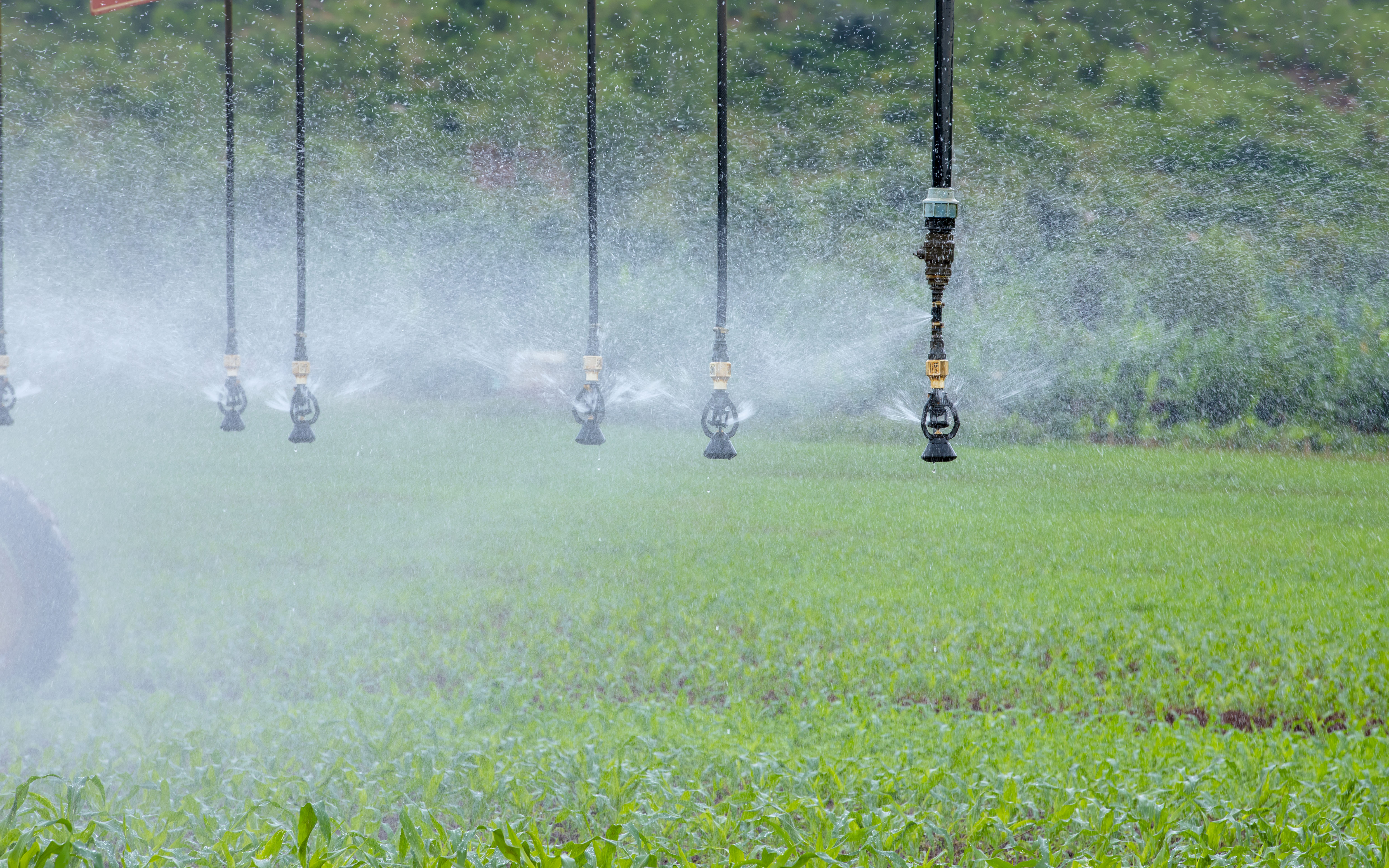
RWANDA’S AGRICULTURE SECTOR TRANSFORMATION OVER THE LAST 32 YEARS
Over the past 32 years, Rwanda’s agriculture sector has undergone a remarkable transformation, evolving from a subsistence farming into a modern,…
Read more
→
Rwanda launched Green House Crop Insurance to boost climate-resilient agriculture
On 7 May 2026, Green House Crop Insurance was officially launched during an event held at the headquarters of the National Institute of Statistics of…
Read more
→

Rwanda to hold third National Seed Congress bringing together actors in seed sector
Rwanda will hold its 3rd National Seed Congress in Kigali from 20th to 21st July 2026, an event that will bring together key stakeholders to discuss…
Read more
→

MINAGRI YIBUTSE KU NSHURO YA 32 ABARI ABAKOZI BAYO BAZIZE JENOSIDE YAKOREWE ABATUTSI
Kuri uyu wa Gatanu tariki ya 15 Gicurasi, 2026, Minisiteri y’Ubuhinzi n’Ubworozi (MINAGRI) n’abafatanyabikorwa bayo bibutse ku nshuro ya 32 abari…
Read more
→
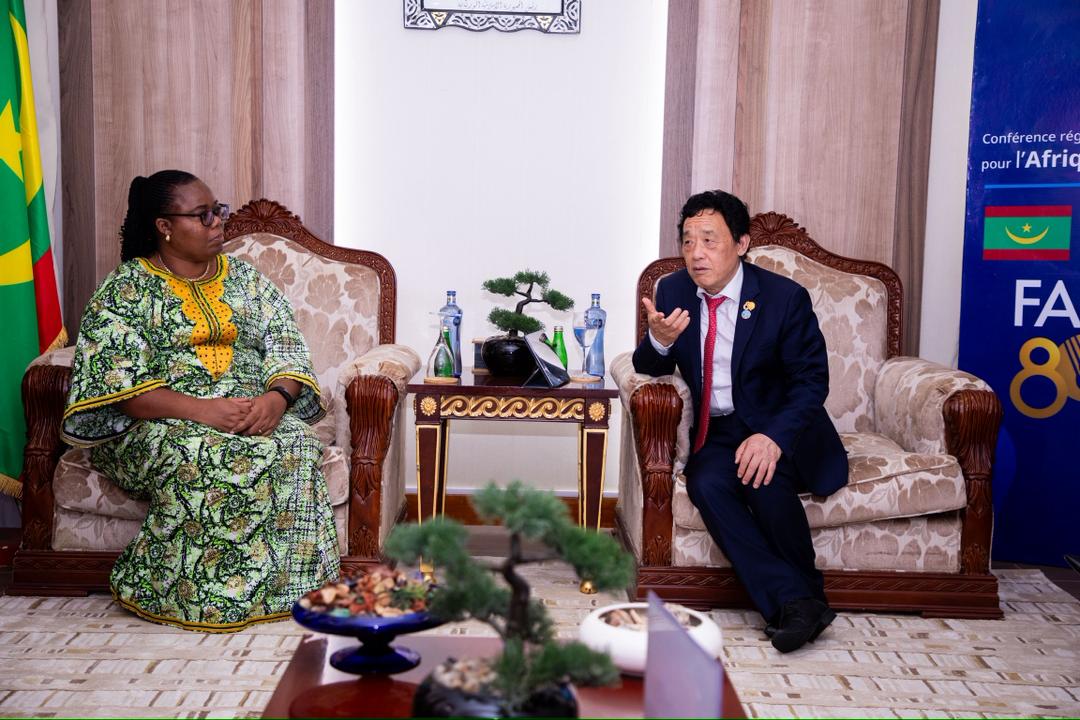
Minister of State Dr. Solange Uwituze meets FAO Director-General Dr. QU Dongyu
The Minister of State for Agriculture and Animal Resources (MINAGRI), Dr. Solange Uwituze, on Wednesday April 15th 2026 met with FAO Director-General,…
Read more
→