Store enough produce for home consumption, Minister Mukeshimana tells farmers
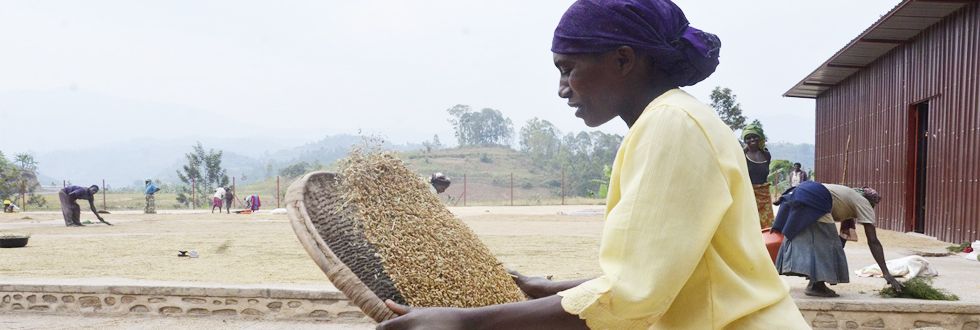
Farmers-sieving-their-produce-in-drying-ground
The Minister of Agriculture and Animal Resources, Dr Gerardine Mukeshimana, has called upon Rwandan farmers to store enough quantity of their produce for home consumption as weather conditions have nowadays become unpredictable; thus affecting negatively the harvests.
The Minister made the call on January 12, 2017 while reacting on a recent FAO report entitled “Crop Prospects and Food Situation” which ranked Rwanda among resilient countries in the region.
The report, dated December 04, 2016, says that production prospects are mostly favourable in Rwanda, except in some eastern areas; indicating that Rwanda and Tanzania are the only countries in the region that are in ‘white colour’ meaning that they are not in need of humanitarian assistance.
While reacting on questions raised by some members of the press, Minister Mukeshimana explained that good collaboration between concerned entities and farmers, in addition to national stability are main factors that are behind Rwanda's resilience.
The Minister said that Rwanda has been facing scarcity of rain since June 2015 which has been reducing agricultural produce. Despite the prolonged drought experienced mostly in some areas of eastern province, she noted that the situation is still under control at national level.
About 100,000 households are estimated to have been affected and the government provided them with foodstuffs from the National Strategic Reserve.
“We also encourage all farmers to store enough quantity of their produce at family level for home consumption in case of prolonged drought. They should sell only surpluses so that they can get income for other domestic needs,” said Minister Mukeshimana.
The Minister also noted that the ministry has been encouraging the farmers to take advantages of small scale irrigation facilities to irrigate their crops where possible. Acquiring Small scale irrigation equipment is subsidized up to 50% by the government.
For more details on the FAO’s ‘Crop Prospects and Food Situation’ report, please kindly follow this link: www.fao.org/3/a-i6558e.pdf
Topics

19th Rwanda Agricultural Show Concludes with Record Participation and Recognition of Agricultural Innovation
The 19th Rwanda Agricultural Show officially closed on Friday, 31 July 2026, at the Mulindi Show Ground in Gasabo District, Kigali City, marking…
Read more
→

Rwanda Agricultural Show 2026: Stakeholders urged to leverage innovation and strategic partnerships for agri-food systems transformation
The Minister of Agriculture and Animal Resources, Dr. Telesphore Ndabamenye, has called on farmers and other agricultural stakeholders to adopt…
Read more
→
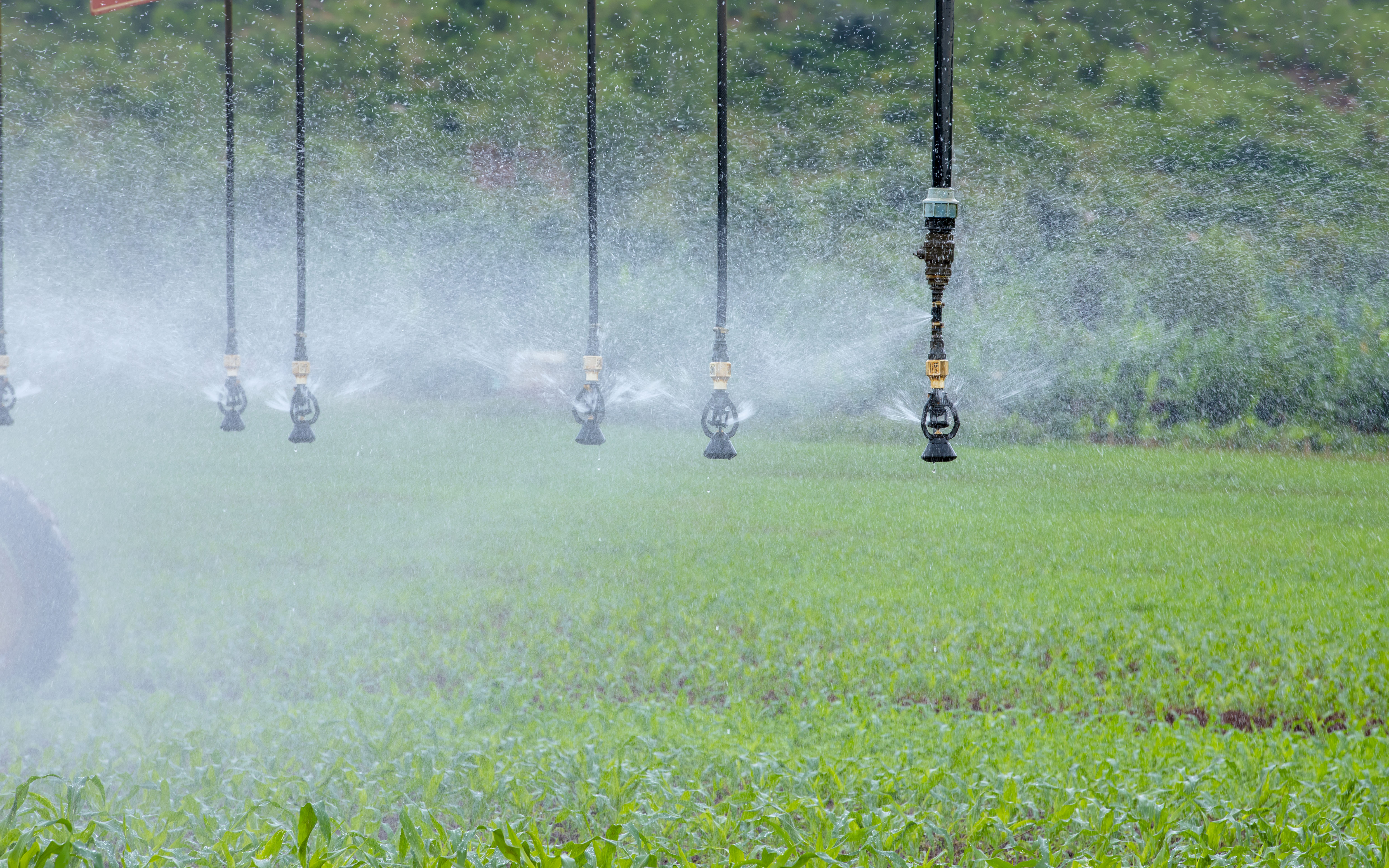
RWANDA’S AGRICULTURE SECTOR TRANSFORMATION OVER THE LAST 32 YEARS
Over the past 32 years, Rwanda’s agriculture sector has undergone a remarkable transformation, evolving from a subsistence farming into a modern,…
Read more
→
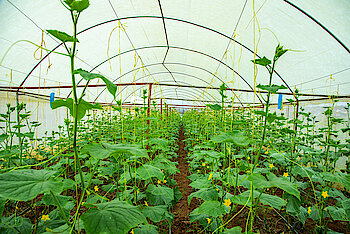
Rwanda launched Green House Crop Insurance to boost climate-resilient agriculture
On 7 May 2026, Green House Crop Insurance was officially launched during an event held at the headquarters of the National Institute of Statistics of…
Read more
→

Rwanda to hold third National Seed Congress bringing together actors in seed sector
Rwanda will hold its 3rd National Seed Congress in Kigali from 20th to 21st July 2026, an event that will bring together key stakeholders to discuss…
Read more
→

MINAGRI YIBUTSE KU NSHURO YA 32 ABARI ABAKOZI BAYO BAZIZE JENOSIDE YAKOREWE ABATUTSI
Kuri uyu wa Gatanu tariki ya 15 Gicurasi, 2026, Minisiteri y’Ubuhinzi n’Ubworozi (MINAGRI) n’abafatanyabikorwa bayo bibutse ku nshuro ya 32 abari…
Read more
→
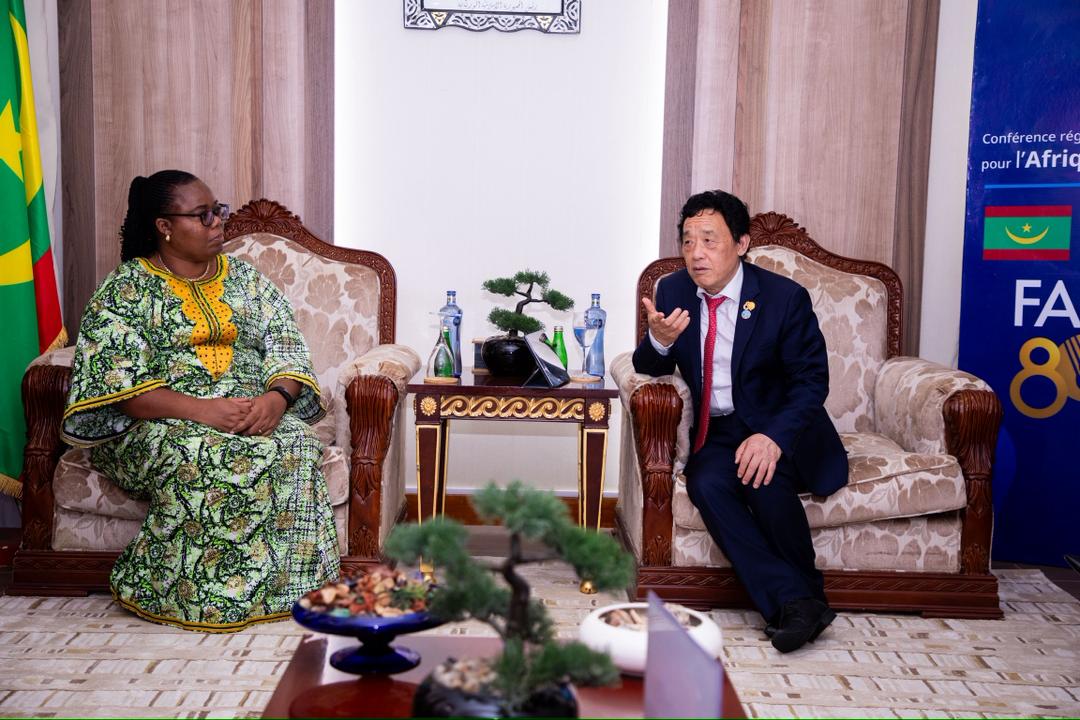
Minister of State Dr. Solange Uwituze meets FAO Director-General Dr. QU Dongyu
The Minister of State for Agriculture and Animal Resources (MINAGRI), Dr. Solange Uwituze, on Wednesday April 15th 2026 met with FAO Director-General,…
Read more
→
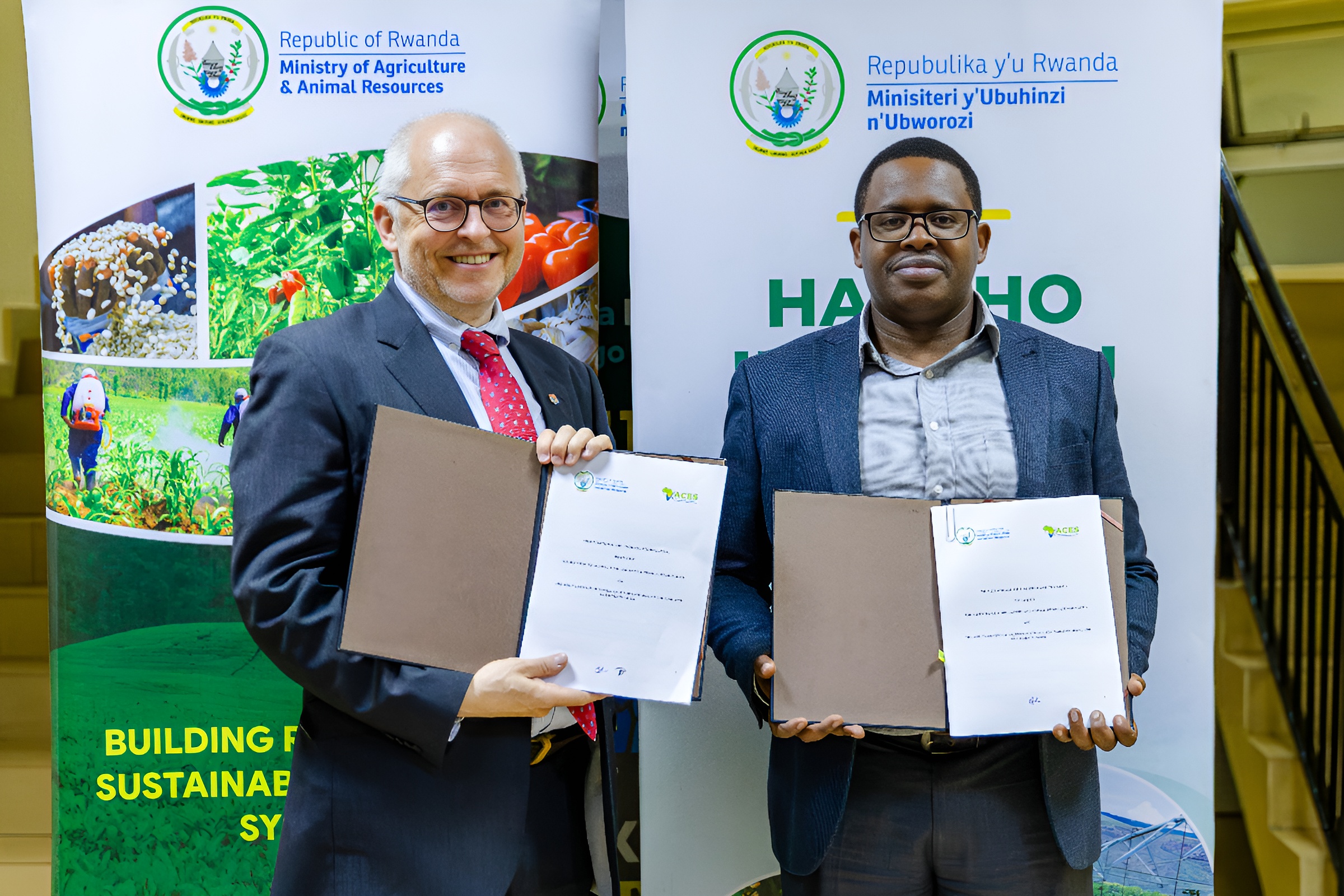
Rwanda Strengthens Agricultural Value Chains Through MINAGRI–ACES Cold-Chain Partnership
On 25th March 2026, Rwanda took a significant step toward transforming its agricultural sector following the signing of a strategic Memorandum of…
Read more
→
RWANDA SECURES OVER RWF 110 BILLION IN IFAD FUNDING TO BOOST AGRICULTURE
The Government of Rwanda has secured $78.5 million, more than Rwf110 billion, in financing from the International Fund for Agricultural Development…
Read more
→