Strategies to increase Rwanda meat export Underway

Rwandan livestock farmers, public and private economic cluster and government officials have committed themselves to increase meat exports. They undertook the commitment on February 22, 2017 in Kigali during meeting that was meant to discuss strategies that can reverse the current trend of meat exports.
This comes after the report on Rwanda Livestock and Meat Export to DRC (MINEACOM: July 2016) revealed that there are abattoirs that have the capacity to uptake livestock currently being exported to external markets by boosting meat production for Rwanda domestic market as well as export to DRC and other regional and international markets.
François Kanimba, the Minister of Trade, Industry and East African Community Affairs (MINEACOM), said that both government and private sector are keen to merge efforts to reduce the trade imbalance still hampering the economy of the country.
“Rwanda livestock production is sufficient to cater the meat production. This is the right time to embrace modern abattoirs and if need be, ban completely cattle export. We know that exporting livestock instead of meat hinders the domestic market revenues,” Kanimba stated.
The report indicates that the current livestock population is commensurate with figures foreseen as necessary for supporting a vibrant meat industry in the country. According to this report, the meat industry was expected by 2017 to be producing meat for Rwanda domestic market as well as export. The reality today, is that despite the country having largely achieved the target of livestock production, the meat industry has not lived up to the expectations.
Evidence in that report is that, export data from Rwanda livestock markets shows that every month, DRC receives more than 30,000 cows, yet, available abattoirs’ installed capacity is sufficient to slaughter all cows being exported.
Among recommendations of the meeting, it was agreed that, if Rwanda’s abattoirs are to supply meat in the Rwanda hospitality industry and to the fast growing middle and upper income class, they need to embrace business model that moves away from slaughter services to production of value added meat and meat products.
Per every 1Kg of meat exported, the country would gain 7 USD more comparing to the livestock export.
Topics

Rwanda held its third National Seed Congress bringing together actors in seed sector
Rwanda held its 3rd National Seed Congress in Kigali from 20th to 21st July 2026, an event that highly emphasized the role of research, biotechnology,…
Read more
→

Rwanda hosted Africa Food Systems Forum 2026
From 1st to 4th September 2026 in Kigali, Rwanda hosted the 20th edition of the Africa Food Systems Forum (AFSF), which brought together more than…
Read more
→

19th Rwanda Agricultural Show Concludes with Record Participation and Recognition of Agricultural Innovation
The 19th Rwanda Agricultural Show officially closed on Friday, 31 July 2026, at the Mulindi Show Ground in Gasabo District, Kigali City, marking…
Read more
→

Rwanda Agricultural Show 2026: Stakeholders urged to leverage innovation and strategic partnerships for agri-food systems transformation
The Minister of Agriculture and Animal Resources, Dr. Telesphore Ndabamenye, has called on farmers and other agricultural stakeholders to adopt…
Read more
→
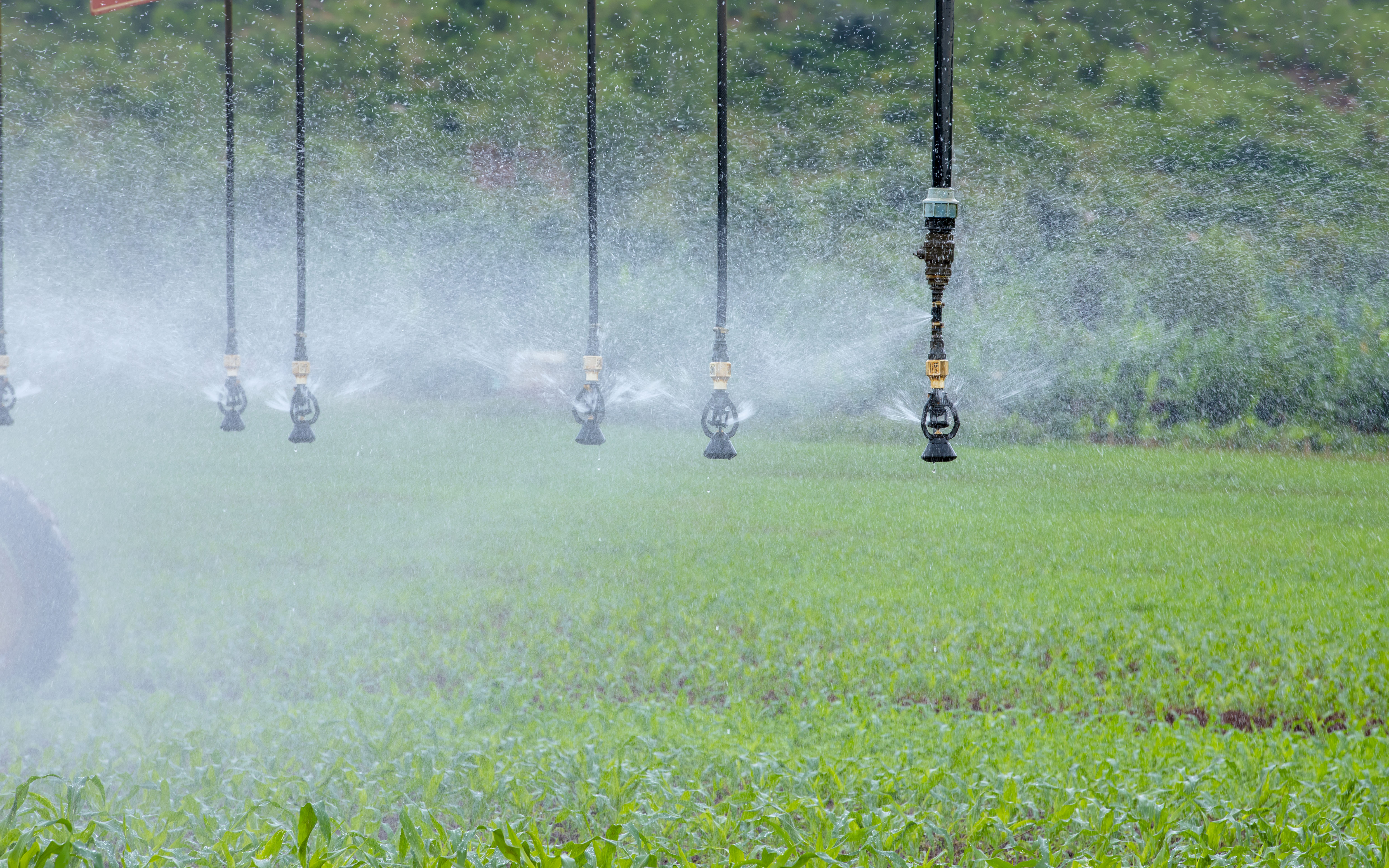
RWANDA’S AGRICULTURE SECTOR TRANSFORMATION OVER THE LAST 32 YEARS
Over the past 32 years, Rwanda’s agriculture sector has undergone a remarkable transformation, evolving from a subsistence farming into a modern,…
Read more
→
Rwanda launched Green House Crop Insurance to boost climate-resilient agriculture
On 7 May 2026, Green House Crop Insurance was officially launched during an event held at the headquarters of the National Institute of Statistics of…
Read more
→

Rwanda to hold third National Seed Congress bringing together actors in seed sector
Rwanda will hold its 3rd National Seed Congress in Kigali from 20th to 21st July 2026, an event that will bring together key stakeholders to discuss…
Read more
→

MINAGRI YIBUTSE KU NSHURO YA 32 ABARI ABAKOZI BAYO BAZIZE JENOSIDE YAKOREWE ABATUTSI
Kuri uyu wa Gatanu tariki ya 15 Gicurasi, 2026, Minisiteri y’Ubuhinzi n’Ubworozi (MINAGRI) n’abafatanyabikorwa bayo bibutse ku nshuro ya 32 abari…
Read more
→
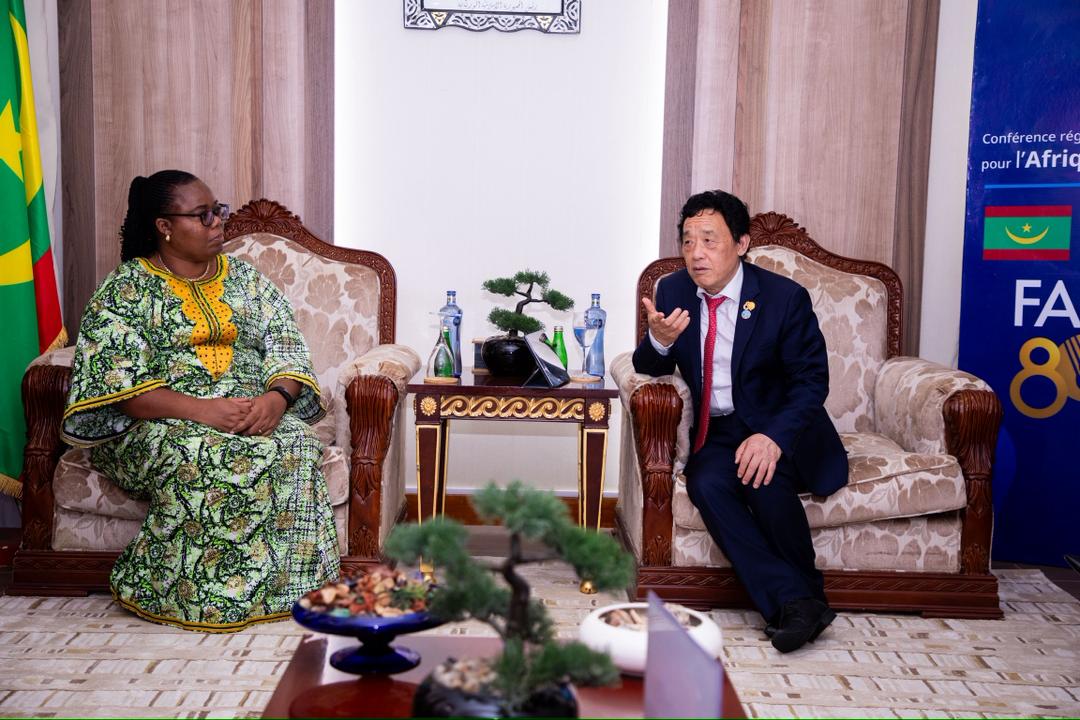
Minister of State Dr. Solange Uwituze meets FAO Director-General Dr. QU Dongyu
The Minister of State for Agriculture and Animal Resources (MINAGRI), Dr. Solange Uwituze, on Wednesday April 15th 2026 met with FAO Director-General,…
Read more
→