‘THE STRATEGIC PLAN FOR AGRICULTURE TRANSFORMATION EMPHASIZES MAINSTREAMING CLIMATE CHANGE’ – HON. MINISTER MUKESHIMANA
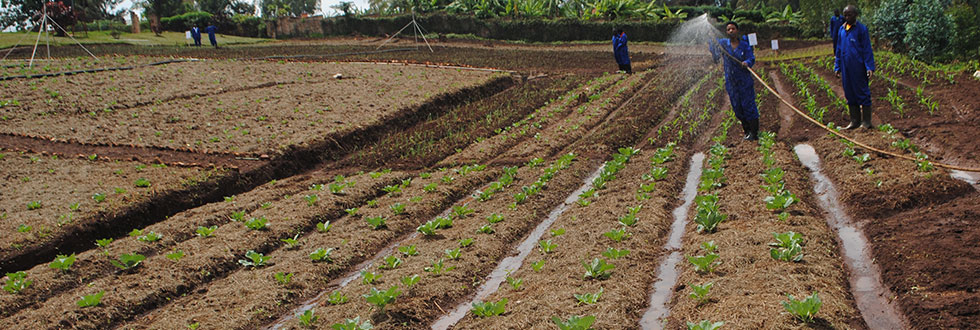
The Strategic Plan for Agriculture Transformation (PSTA 4) that will be implemented from July 2018 up to 2024, articulates programs and strategies for adaptation and mitigation to Climate change impacts, Minister of Agriculture and Animal Resources, Dr Gerardine Mukeshimana, has said.
Minister Mukeshimana made the statement on March 25, 2018 while delivering a keynote speech at the International Conference on Innovations and Interdisciplinary Solutions for Underserved Areas; which focused on the climate adaptation plan of Rwanda, associated with the agriculture sector.
Regarding sustainable agriculture intensification, the minister mentioned that particular emphasis has been placed on land and water husbandry. Currently, over 60 % of land is protected with a target of increasing this to 90 % by 2024.
The Government of Rwanda is also prioritizing the development of irrigation. Currently, 48,508Ha of land is irrigated and the country targets to irrigate 102,285ha by 2024 through both public and private investments.
Improved water management is being emphasized through firstly promotion of practices to secure reliable supply of water to communities that are hardest hit by drought such as rain water harvesting to livestock and for irrigations.
The Minister added that the other important component is adapting to climate change impacts on post-harvest losses.
“Traditionally, dry seasons have coincided with the harvests period for grains where farmers relied on sun to dry their produce. Currently, the weather is unpredictable with frequent rain during the harvest periods making it difficult to rely on the sun for drying. This increases post-harvest losses and affects quality through spoilage and mycotoxin contamination. Therefore, the public sector is investing in post-harvest infrastructure such dry sheds, warehouse and silos, and partnering with private sector (agro-processers and traders) to establish mobile and centralised threshers and driers close to farmers to alleviate the impact of climate change on harvested grains,” said the Minister.
Farmers are also being facilitated to access the improved drought tolerant forage seed and trained in forage conservation technologies (Silage and hay) and pasture management. At present, there are 439 forage seed multipliers involved in forage seed multiplication on 364 ha.
The Citigroup report released in 2015 pointed out that the cost of the World’s inaction to climate change was Up to $44 trillion by 2060. The most vulnerable to the impact of climate change are rural farmers depending on rain-fed agriculture for their livelihoods.
Topics

Rwanda held its third National Seed Congress bringing together actors in seed sector
Rwanda held its 3rd National Seed Congress in Kigali from 20th to 21st July 2026, an event that highly emphasized the role of research, biotechnology,…
Read more
→

Rwanda hosted Africa Food Systems Forum 2026
From 1st to 4th September 2026 in Kigali, Rwanda hosted the 20th edition of the Africa Food Systems Forum (AFSF), which brought together more than…
Read more
→

19th Rwanda Agricultural Show Concludes with Record Participation and Recognition of Agricultural Innovation
The 19th Rwanda Agricultural Show officially closed on Friday, 31 July 2026, at the Mulindi Show Ground in Gasabo District, Kigali City, marking…
Read more
→

Rwanda Agricultural Show 2026: Stakeholders urged to leverage innovation and strategic partnerships for agri-food systems transformation
The Minister of Agriculture and Animal Resources, Dr. Telesphore Ndabamenye, has called on farmers and other agricultural stakeholders to adopt…
Read more
→
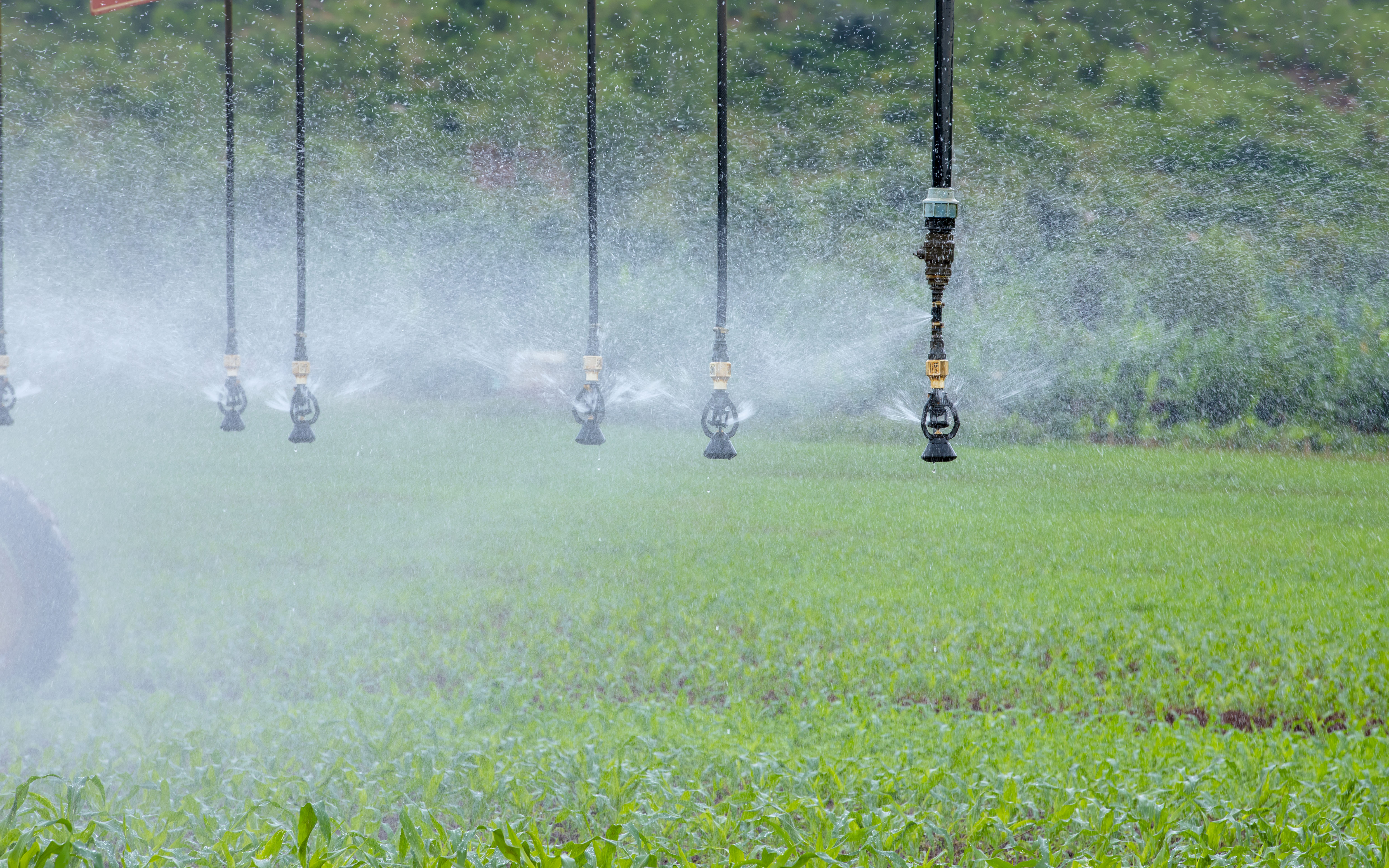
RWANDA’S AGRICULTURE SECTOR TRANSFORMATION OVER THE LAST 32 YEARS
Over the past 32 years, Rwanda’s agriculture sector has undergone a remarkable transformation, evolving from a subsistence farming into a modern,…
Read more
→
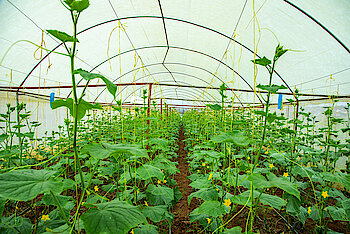
Rwanda launched Green House Crop Insurance to boost climate-resilient agriculture
On 7 May 2026, Green House Crop Insurance was officially launched during an event held at the headquarters of the National Institute of Statistics of…
Read more
→

Rwanda to hold third National Seed Congress bringing together actors in seed sector
Rwanda will hold its 3rd National Seed Congress in Kigali from 20th to 21st July 2026, an event that will bring together key stakeholders to discuss…
Read more
→

MINAGRI YIBUTSE KU NSHURO YA 32 ABARI ABAKOZI BAYO BAZIZE JENOSIDE YAKOREWE ABATUTSI
Kuri uyu wa Gatanu tariki ya 15 Gicurasi, 2026, Minisiteri y’Ubuhinzi n’Ubworozi (MINAGRI) n’abafatanyabikorwa bayo bibutse ku nshuro ya 32 abari…
Read more
→
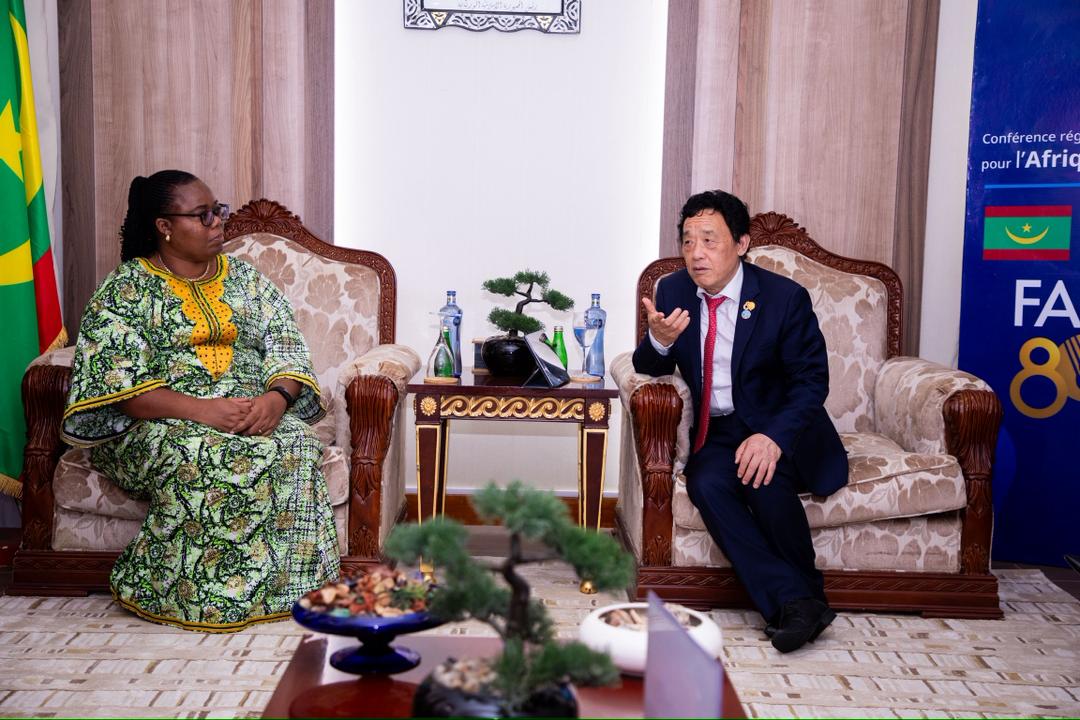
Minister of State Dr. Solange Uwituze meets FAO Director-General Dr. QU Dongyu
The Minister of State for Agriculture and Animal Resources (MINAGRI), Dr. Solange Uwituze, on Wednesday April 15th 2026 met with FAO Director-General,…
Read more
→