WE HAVE MADE CONSIDERABLE STEPS TOWARDS RESOLVING ISSUES OF HUNGER AND MALNUTRITION,’ SAYS PM NGIRENTE

The Prime Minister Dr Edouard Ngirente has said that Rwanda has put in place appropriate policies that enable the country to fight hunger and malnutrition in a bid to have a healthy and productive population.
“Let me share with you our Rwandan context. We still face issues of hunger and malnutrition, however, we have made considerable steps towards resolving them,” the Prime Minister pointed out.
The Premier was delivering a keynote address on November 28, 2018 during the inaugural session of the global event on Accelerating the End of Hunger and Malnutrition that is taking place from the 28th to 30th November 2018 in Bangkok, Thailand.
Hon. Ngirente noted that the Government is implementing the Strategic Plan for Agriculture Transformation, which is nutrition sensitive. It implements programs that aim at increasing the level of protein production and an increase of micronutrient production.
He added that the Crop Intensification Program aims to improve agricultural production, especially food crops.
“Through this program, we have noted a growing trend in food crop production at 8% annual average in 2017, accounting for 20% share of total agriculture sector contribution to GDP,” he noted.
According to the Prime Minister, land consolidation and soil erosion control have greatly influenced the status of food security. More than 1 million hectares of land has been consolidated and agriculture inputs subsidized to increase affordability and uptake.
Investments in soil erosion control infrastructure have created employment opportunities for vulnerable households. Today, over 900,000 hectares of progressive terraces and more than 100,000 hectares of radical terraces were developed.
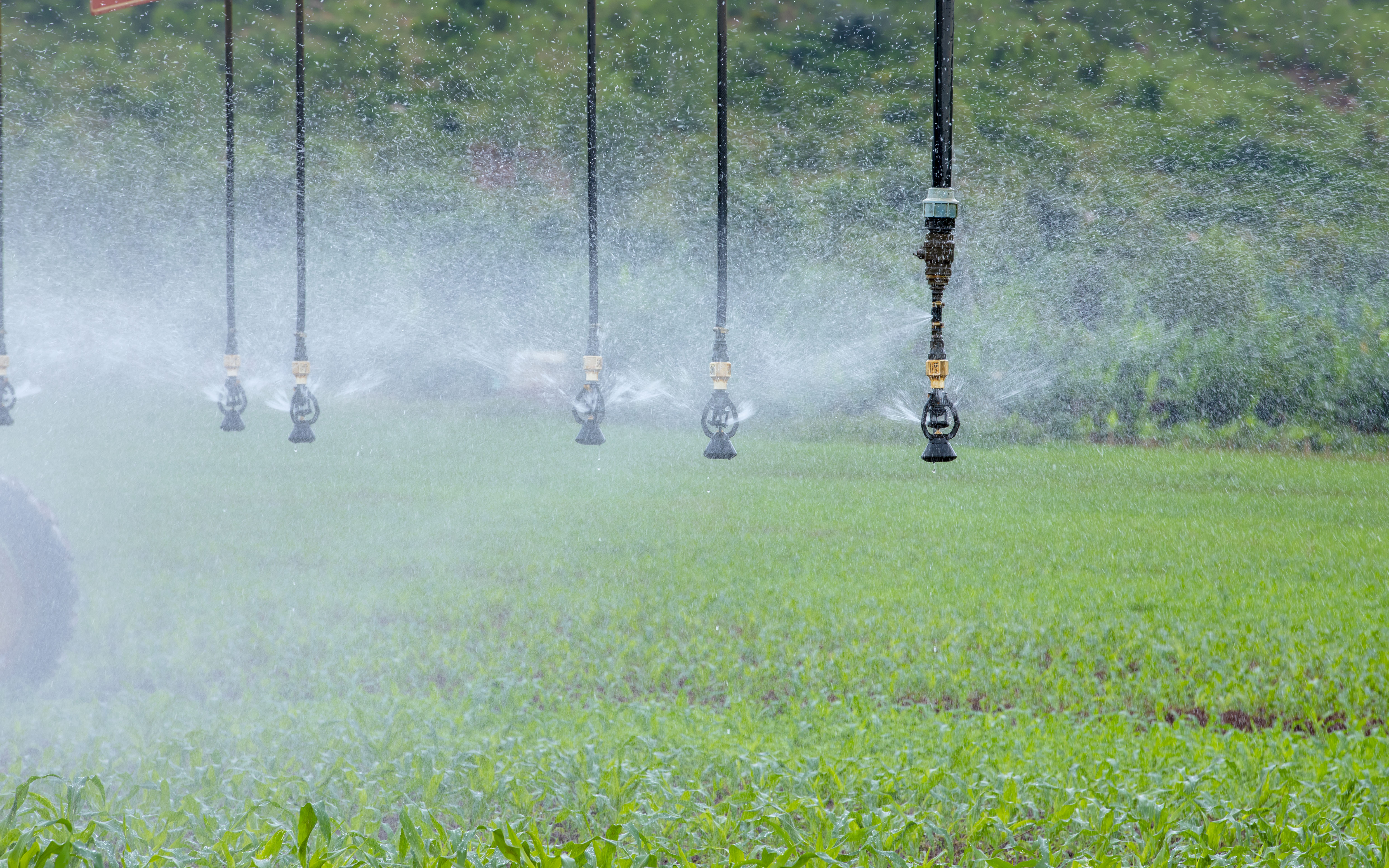
Investment in irrigation schemes also increased food production. Presently more than 50,000 hectares of land used by small-scale farmers is irrigated as a support mechanism to reduce the vulnerability to changing rainfall patterns.
“These efforts have yielded improvements in food security in Rwanda. The number of total food secure households increased. Consequently, food consumption has improved across the country compared to the situation 3 years ago,” PM Ngirente told world leaders gathered in Bangkok. “However, we still have unacceptable high levels of malnutrition currently at 35% of stunting rates among children.”
The Prime Minister said that this situation has attracted high-level attention to put in place and implement policies and strategies that will holistically tackle the issue of malnutrition. Some of these strategies include:
• An Early Childhood Development (ECD) program championed by an institution dedicated to coordinating all activities aimed at eliminating hunger and malnutrition. Multi-sectoral Nutrition Committees at central and local government levels support this institution.
• Public-Private partnerships have played a key role in increasing investment in the production of nutritious food. Today, we are managing a joint venture between the Government of Rwanda and Africa Improved Foods Ltd (AIF), in producing baby nutritional foods for vulnerable groups including babies between 6 and 24 months as well as pregnant and lactating mothers from poor households. These Fortified Blended Foods are currently supplied over 14,000 women and more than 100,000 children in vulnerable categories.
• We developed a National Multi-Sectoral Food and Nutrition Policy, which we implement in collaboration with development partners in a multi-sectoral approach to address stunting.
• We deployed 58,000 voluntary community health workers in all villages to closely follow-up malnutrition cases and conduct awareness campaigns on improved maternal, infant and young child feeding practices. Culinary demonstrations are organised at each village to sensitize households on good nutrition practices.
• We established and supported One Cow per Poor Family Program since 2006. Today more than 300,000 cows have been distributed to poor families and the target is to ensure every poor household owns a cow to produce milk for home consumption, generate family revenues for extra milk sold and produce manure that supports food production for the family. Besides this program, the Government also puts emphasis on the promotion of small livestock, the planting of fruit trees and school gardening programs.
• We established a One Cup of Milk Program and so far, over 70,000 school children in poor areas are enrolled in the program. Milk supply in school has not only improved the nutritional status but also increased school attendance.
• We developed a kitchen garden initiative for each family, to encourage all Rwandans to have a garden of vegetables within their family compound.
• We established Parents’ Evening Forums at the village level through which local community meet, once a month, and discuss among other issues nutrition and proper parenting.
• In order to increase graduation from poverty, Rwanda developed an integrated local development program that generates employment to poor people especially in public works at the community
Topics

Rwanda held its third National Seed Congress bringing together actors in seed sector

Rwanda hosted Africa Food Systems Forum 2026

19th Rwanda Agricultural Show Concludes with Record Participation and Recognition of Agricultural Innovation

Rwanda Agricultural Show 2026: Stakeholders urged to leverage innovation and strategic partnerships for agri-food systems transformation
RWANDA’S AGRICULTURE SECTOR TRANSFORMATION OVER THE LAST 32 YEARS
Rwanda launched Green House Crop Insurance to boost climate-resilient agriculture

Rwanda to hold third National Seed Congress bringing together actors in seed sector

MINAGRI YIBUTSE KU NSHURO YA 32 ABARI ABAKOZI BAYO BAZIZE JENOSIDE YAKOREWE ABATUTSI