Experts in agriculture discuss on 4th ‘Strategic Plan for Agric Transformation’ formulation
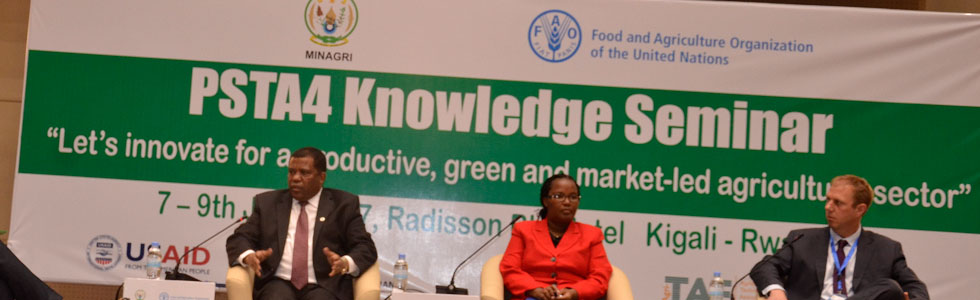
Around 200 national and international agriculture experts are gathering in Kigali to contribute opinions, knowledge, share experience and best practices that will shape the fourth Strategic Plan for Agricultural Transformation in Rwanda.
The high-level seminar, taking place from June 07th to 09th, 2017, was organized by the Ministry of Agriculture and Animal Resources (MINAGRI) in close collaboration with its development partners.
While delivering the opening remarks of the 3-day seminar, the Permanent Secretary in the Ministry of Agriculture and Animal Resources, Jean Claude Kayisinga, explained that the seminar aims at taking stock of the performance of the agricultural sector under PSTA3, identify thematic areas and related program components that should be continued under PSTA4, as well as new themes that need to be included.
“The current PSTAIII is ending in the next fiscal year. So, we need to have the PSTA4 in place before the end of this year if we are to avoid a gap in strategic planning process while aligning with the on-going third Economic Development & Poverty Reduction Strategy development process,” said Kayisinga. “In planning the next 6 years strategy, we must learn lessons from the past and must be prepared for the future.”
Speaking during the event, Minister of Agriculture and Animal Resources, Dr Gerardine Mukeshimana, said that the PSTA4 will be shaped in a way that will keep improving lives of Rwandans.
“It’s a challenge for us to make sure that we shape an agriculture strategy that will make our population decent citizens,” she pointed out.
PSTA 4 will start putting into practice the new Agriculture Policy with a vision of having a productive, green and market-led agriculture sector.
Since 2004, the ministry has developed and implemented three consecutive strategic plans for agricultural transformation in Rwanda (PSTA I, PSTA II, PSTA III), all aiming at harmonizing the agriculture sector development activities with the national Economic Development and Poverty Reduction Strategies (EDPRS I, EDRPS II), the Rwanda Vision (Vision 2020) and the CAADP.
Rwanda's agriculture sector has witnessed incredible progress through the implementation of PSTA-III both in crop and livestock development. Through PSTA3 programs, food and cash crops production has increased, and poverty was reduced to 39.1% in 2015-16 from 44.9% in 2010-11. Under PSTA3, Rwanda's agriculture sector has also been contributing a third of the national gross domestic product for the recent years and agriculture sector GDP grew at 5% per annum contributing to a sustained national economic growth of the country.
The next 6 years strategy will take into account the ongoing agriculture policy development and be articulated around Productivity, commercialization for food security, Incomes and Consumption of healthy food, Resilience and Sustainable Intensification, Inclusive Employment & Improvement of Farmers’ skills and an Effective Enabling Environment & Responsive Institutions.
Agriculture remains the backbone of the economy. The agriculture sector accounts for approximately 33% of the GDP, employs 69.2% of the Rwandan labor force, has generated 60% of the foreign exchange, provides 75% of raw materials for industry, and provided about 45% of total Government revenue, according to 2015 statistics of the national Bank of Rwanda.
Topics

Rwanda held its third National Seed Congress bringing together actors in seed sector
Rwanda held its 3rd National Seed Congress in Kigali from 20th to 21st July 2026, an event that highly emphasized the role of research, biotechnology,…
Read more
→

Rwanda hosted Africa Food Systems Forum 2026
From 1st to 4th September 2026 in Kigali, Rwanda hosted the 20th edition of the Africa Food Systems Forum (AFSF), which brought together more than…
Read more
→

19th Rwanda Agricultural Show Concludes with Record Participation and Recognition of Agricultural Innovation
The 19th Rwanda Agricultural Show officially closed on Friday, 31 July 2026, at the Mulindi Show Ground in Gasabo District, Kigali City, marking…
Read more
→

Rwanda Agricultural Show 2026: Stakeholders urged to leverage innovation and strategic partnerships for agri-food systems transformation
The Minister of Agriculture and Animal Resources, Dr. Telesphore Ndabamenye, has called on farmers and other agricultural stakeholders to adopt…
Read more
→
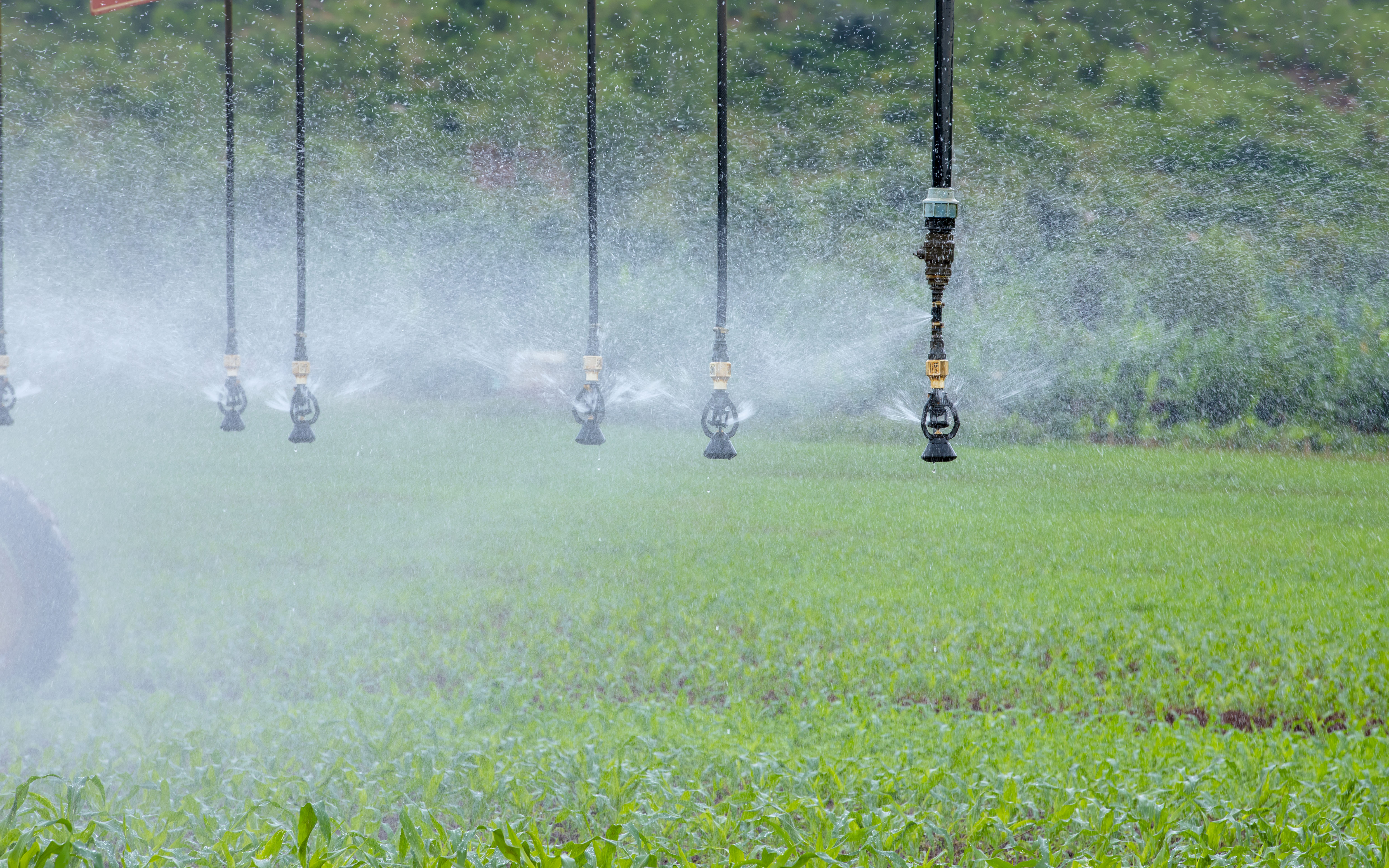
RWANDA’S AGRICULTURE SECTOR TRANSFORMATION OVER THE LAST 32 YEARS
Over the past 32 years, Rwanda’s agriculture sector has undergone a remarkable transformation, evolving from a subsistence farming into a modern,…
Read more
→
Rwanda launched Green House Crop Insurance to boost climate-resilient agriculture
On 7 May 2026, Green House Crop Insurance was officially launched during an event held at the headquarters of the National Institute of Statistics of…
Read more
→

Rwanda to hold third National Seed Congress bringing together actors in seed sector
Rwanda will hold its 3rd National Seed Congress in Kigali from 20th to 21st July 2026, an event that will bring together key stakeholders to discuss…
Read more
→

MINAGRI YIBUTSE KU NSHURO YA 32 ABARI ABAKOZI BAYO BAZIZE JENOSIDE YAKOREWE ABATUTSI
Kuri uyu wa Gatanu tariki ya 15 Gicurasi, 2026, Minisiteri y’Ubuhinzi n’Ubworozi (MINAGRI) n’abafatanyabikorwa bayo bibutse ku nshuro ya 32 abari…
Read more
→
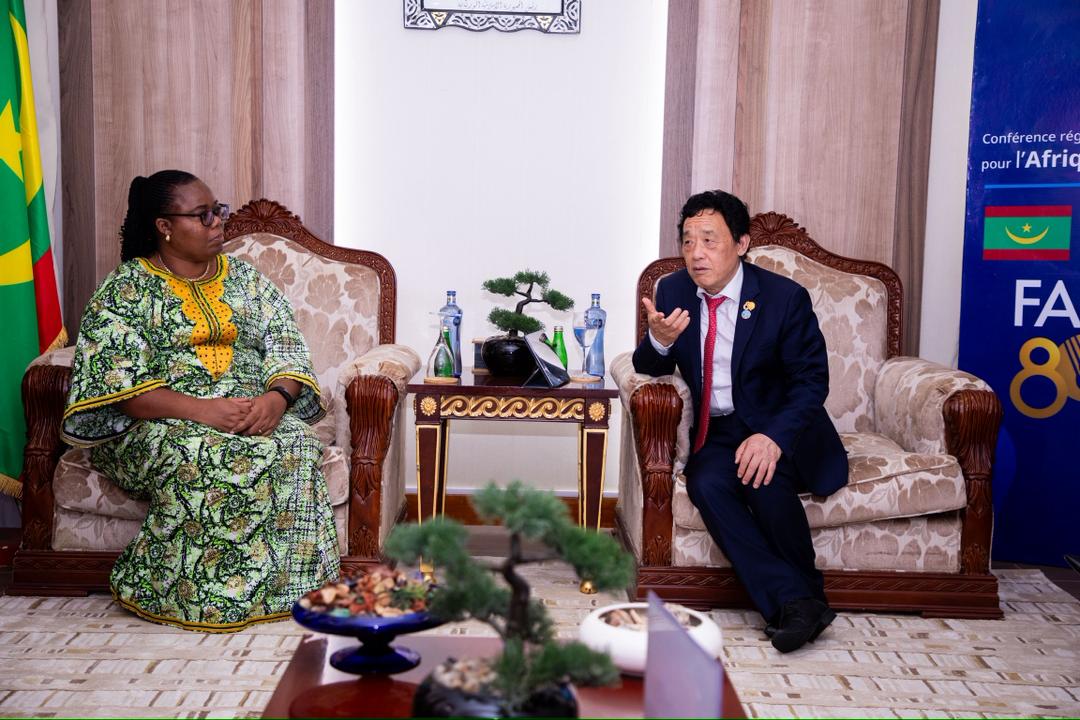
Minister of State Dr. Solange Uwituze meets FAO Director-General Dr. QU Dongyu
The Minister of State for Agriculture and Animal Resources (MINAGRI), Dr. Solange Uwituze, on Wednesday April 15th 2026 met with FAO Director-General,…
Read more
→