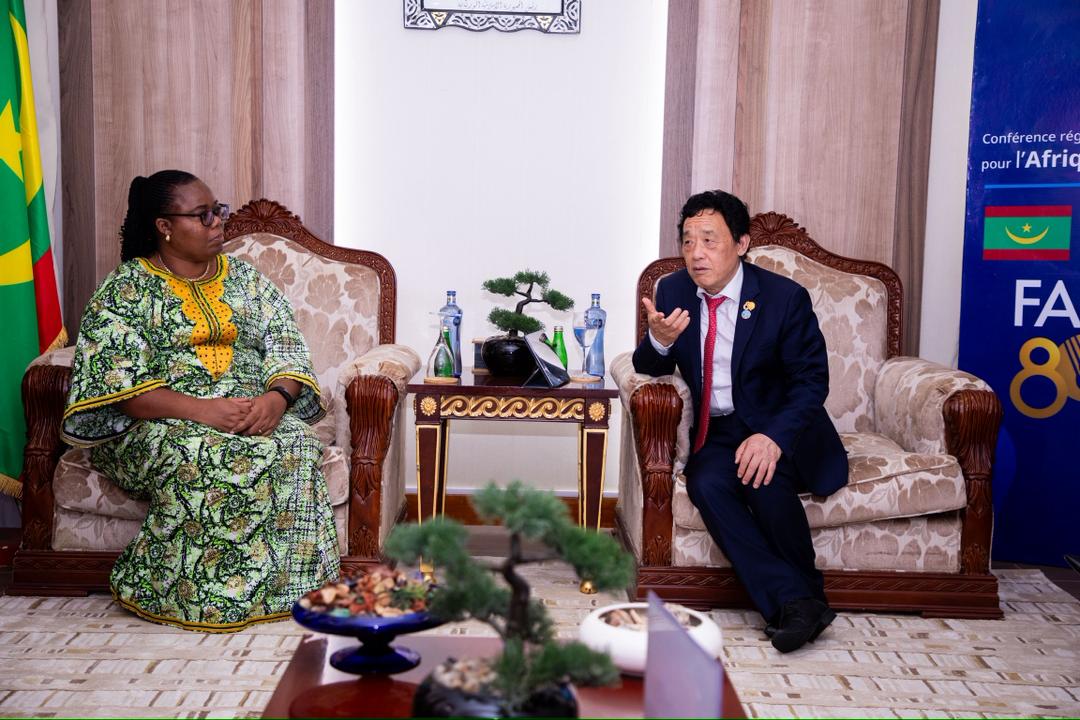
Rwanda hosted Africa Food Systems Forum 2026

From 1st to 4th September 2026 in Kigali, Rwanda hosted the 20th edition of the Africa Food Systems Forum (AFSF), which brought together more than 5,000 stakeholders from over 50 countries to advance investment, partnerships and practical solutions for transforming Africa’s agri-food systems.
Held under the theme of “Investing in Africa’s Agri-Food Systems: Nourishing Nations, Growing Jobs, Building Resilience”, the forum brought together political leaders, farmers, private sector actors, investors, researchers, development partners, women and youth to address the challenges and opportunities shaping Africa’s food systems.
Officially opening the AFS Forum 2026, the Right Honourable Prime Minister Dr. Justin Nsengiyumva said the continent must move from ambition to action by translating commitments into credible and investable plans. He noted that Africa has significant agricultural potential, including abundant land and water resources, favourable conditions for production and a young population, but continues to face food insecurity and other challenges that require urgent action.
The Prime Minister emphasized that transforming food systems requires investment across the entire value chain, from production and irrigation to storage, transport, processing, finance, technology and markets.
He also called for stronger partnerships among governments, farmers, businesses, investors, financial institutions, researchers and development partners, noting that no single actor has all the resources or solutions required to drive the transformation.
Rwanda’s Minister of Agriculture and Animal Resources, Dr. Telesphore Ndabamenye, said the Forum’s 20th anniversary provides an opportunity not only to reflect on progress made over the past two decades, but also to consider what Africa must do differently in the years ahead.
He highlighted Rwanda’s experience in using effective governance, policy, investment, institutions, technology and partnerships to advance agricultural transformation. He noted that Vision 2050, the Second National Strategy for Transformation (NST2) and the Fifth Strategic Plan for Agriculture Transformation (PSTA5) provide the foundation for translating Rwanda’s ambitions into clear investment pathways.
Minister Ndabamenye, also called for Africa to move from dialogue to implementation and from commitments to investment, emphasizing the importance of coherent policies, strong institutions, effective coordination, accountability and an enabling environment for public and private investment.
The Forum comes at a critical time as African countries implement the Kampala CAADP Declaration and Strategy and Action Plan for 2026–2035. Discussions throughout the Forum are therefore focused on mobilizing investment, strengthening food and nutrition security, building climate resilience, advancing digital agriculture and innovation, expanding trade and markets, and creating opportunities for women and young people.
For Rwanda, hosting the Forum provides an opportunity to share its experience while learning from other countries and strengthening partnerships that can accelerate implementation. The Rwanda Pavilion at the forum served as a platform for discussions on climate-resilient agriculture, sustainable land management, finance and investment, markets and value chains, nutrition, technology, youth and women’s participation in agri-food systems.
As the AFS Forum 2026 brought together Africa’s policymakers, investors, innovators and food-system actors, Rwanda called for commitments made in Kigali to translate into practical action, investment and measurable results for farmers, businesses, communities, and households across the continent.
END.
Topics

Rwanda held its third National Seed Congress bringing together actors in seed sector

Rwanda hosted Africa Food Systems Forum 2026

19th Rwanda Agricultural Show Concludes with Record Participation and Recognition of Agricultural Innovation

Rwanda Agricultural Show 2026: Stakeholders urged to leverage innovation and strategic partnerships for agri-food systems transformation
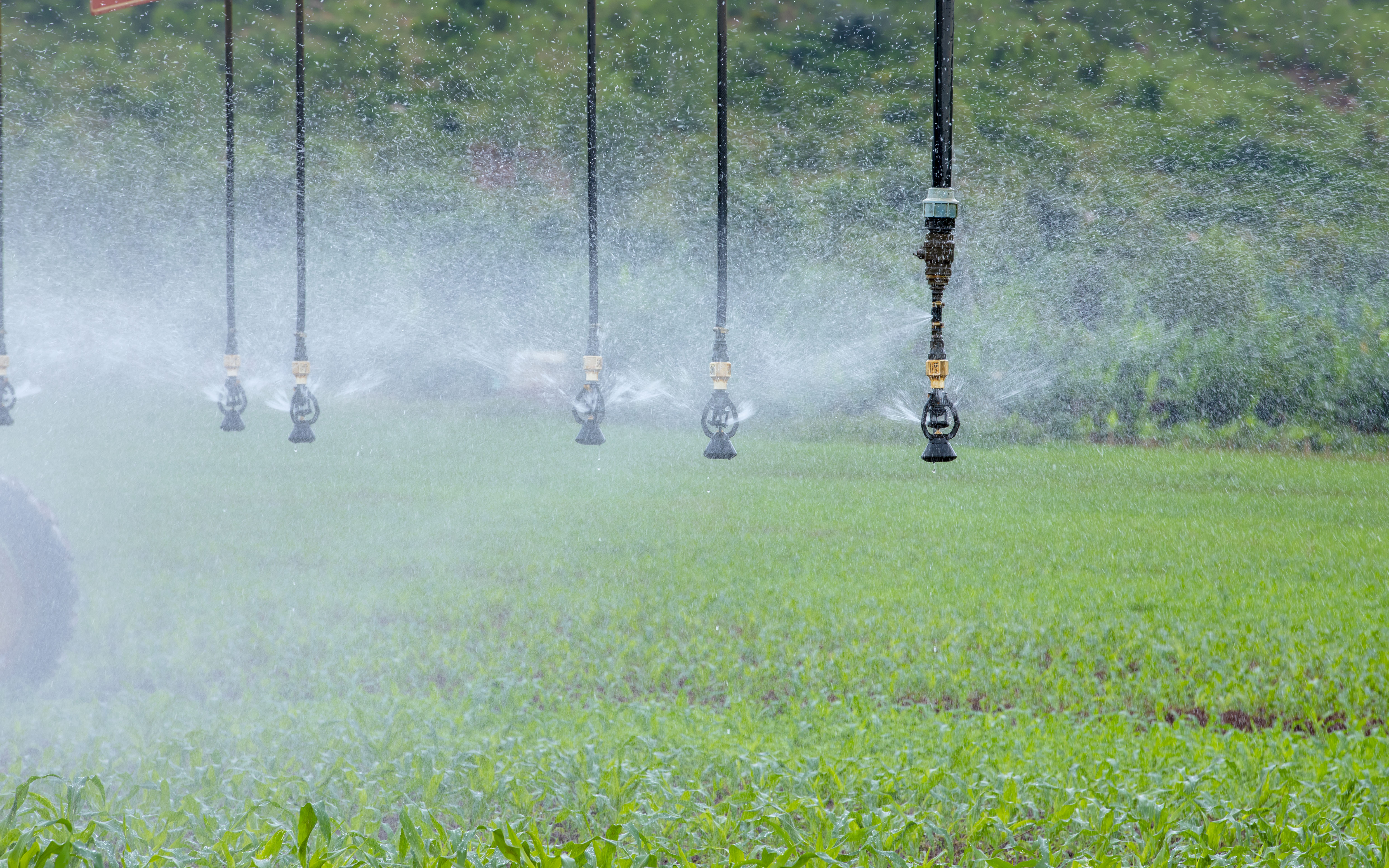
RWANDA’S AGRICULTURE SECTOR TRANSFORMATION OVER THE LAST 32 YEARS
Rwanda launched Green House Crop Insurance to boost climate-resilient agriculture

Rwanda to hold third National Seed Congress bringing together actors in seed sector

MINAGRI YIBUTSE KU NSHURO YA 32 ABARI ABAKOZI BAYO BAZIZE JENOSIDE YAKOREWE ABATUTSI