RWANDA HOSTS THE 4TH MALABO MONTPELLIER FORUM ON DIGITALIZATION AGRICULTURE
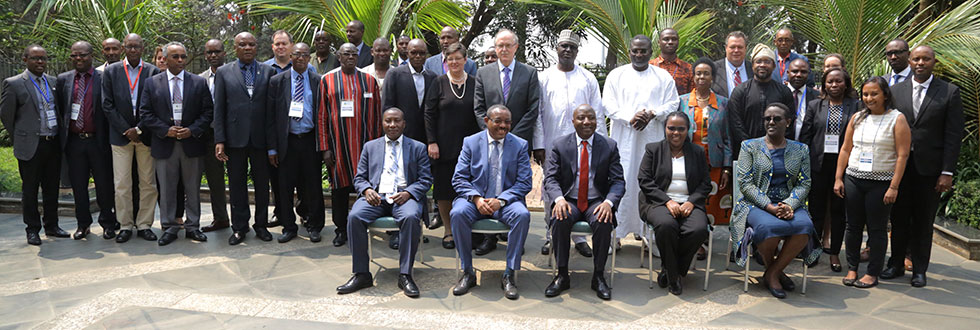
On June 25, 2019, the Malabo Monpellier Forum brought together African ministers, country representatives and development partners in Kigali, Rwanda, to debate successful strategies for scaling up digitalization of African agriculture.
Held under the theme: “Smart Value Chains: Policy Innovations for Transforming Africa’s Food System,” the annual event was officiated by Rwanda’s Prime Minister, Dr Edouard Ngirente, and was attended by high profile people including the former Ethiopia Prime Minister, Hailemariam Desalegn.
The forum provides a platform for informed dialogue and exchange among African policy makers at the highest level on agriculture, nutrition and food security.
Speaking at the official opening of the event, Prime Minister Ngirente stressed the importance of the use of ICT in transforming agricultural sector on the African continent.
“ICT would allow farmers and other agriculture sector stakeholders to access efficiently accurate and timely information for the decision-making in the sector,” the Prime Minister said. “African farmers need the right skills and approaches to increase their production, modernize agricultural extension services and better manage risks. This requires our highest attention as governments, policy-makers, researchers, entrepreneurs and development partners.”
Within the framework of enhancing labor productivity and ICT-based agricultural commercialization, the fourth Strategic Plan for the Transformation of Agriculture in Rwanda (PSTA4) 2018-2024 aims at the sector digitalization to have real-time and accurate information.
Currently, the Management Information System (MIS) allows the Ministry of Agriculture and Animal Resources to get timely data from Districts. An Agricultural market pricing information system e-Soko has also been initiated. This digital platform for trade and services provides market prices on agriculture products, in addition to the existing Smart Nkunganire System which allows farmers to order inputs.
In collaboration with development partners, the government is developing a digital project with various mobile services including weather, crop calendar and fall army worm monitoring system. This project has an objective of providing rural farmers with agricultural information and knowledge to increase their income.
The private sector also plays an active role in the agricultural digitalization process. It is helping farmers to build their digital identity and create trust to resolve issues related to access finance for smallholder farmers.
Topics

Rwanda held its third National Seed Congress bringing together actors in seed sector

Rwanda hosted Africa Food Systems Forum 2026

19th Rwanda Agricultural Show Concludes with Record Participation and Recognition of Agricultural Innovation

Rwanda Agricultural Show 2026: Stakeholders urged to leverage innovation and strategic partnerships for agri-food systems transformation
RWANDA’S AGRICULTURE SECTOR TRANSFORMATION OVER THE LAST 32 YEARS
Rwanda launched Green House Crop Insurance to boost climate-resilient agriculture

Rwanda to hold third National Seed Congress bringing together actors in seed sector

MINAGRI YIBUTSE KU NSHURO YA 32 ABARI ABAKOZI BAYO BAZIZE JENOSIDE YAKOREWE ABATUTSI